Older shoppers preparing simple meals
If avoiding preparation work matters, decide whether the meal calls for a spreadable cheese or a grated topping. The easier-to-handle format still needs to do the job the meal requires.


For spreading, choose tubbed cream cheese or soft-cheese portions; for a ready-to-sprinkle topping, choose grated cheese instead. Sainsbury’s and Tesco list soft cream cheese separately from grated cheeses such as cheddar and mozzarella, so check the format rather than assuming “pre-grated cream cheese” describes a spreadable product. If the purchase is for catering or resale, establish the setting’s food-handling and allergen requirements before buying.
If avoiding preparation work matters, decide whether the meal calls for a spreadable cheese or a grated topping. The easier-to-handle format still needs to do the job the meal requires.
Choose a pack that suits the intended meal, serving routine and available chilled storage. A small portion pack and a bag of grated cheese serve different purposes.
Clarify whether the cheese is for a household, resale or prepared meals. A catered or resale purchase calls for the setting’s own handling and allergen procedures, not just a household shopping choice.
Start with the cheese’s job in the meal, then check the exact pack for serving format, ingredients and chilled-storage instructions.
| Priority | What to check | Your needs |
|---|---|---|
| Meal and texture | Check whether the product is soft and spreadable or grated. Match it to spreading, sprinkling or the recipe’s specified texture; Sainsbury’s lists cream cheese and grated cheese in separate ranges. | I need a soft cheese for spreading, not loose grated strands. If the meal needs a topping instead, I want cheese that is already grated. |
| Serving and pack label | Check the pack size or number of portions, then read the exact ingredients, allergens and per-100 g nutrition. Tesco cautions that product information can change when foods are reformulated. | Small servings would be easier to manage, or I’m choosing for someone whose ingredients and allergens need checking before the cheese is served. |
| Chilled storage | Read the exact pack’s temperature instructions and date marking. The Food Standards Agency warns that food stored too long or at the wrong temperature can cause food poisoning. | I need to know the cheese can be kept as labelled between purchase and serving, especially when shopping for someone else or a shared setting. |
Sainsbury’s and Tesco list soft cream cheese separately from grated cheeses such as cheddar and mozzarella. Grated cheese will not give a recipe the same spreadable texture as soft cream cheese.
Choose tubbed or portioned soft cheese for spreading; choose grated cheese when the meal calls for a topping.
Ingredients and nutrition vary by product. Boursin’s Garlic & Herbs product page declares 1.2 g salt and 26 g saturates per 100 g and says it may contain traces of nuts.
Read the current label for the exact flavour, particularly its ingredients, allergens, salt and saturated fat.
The Food Standards Agency warns that storing food too long or at the wrong temperature can cause food poisoning.
Follow the pack’s storage instructions and use-by date. If its storage history is uncertain, do not serve it.
These examples show how soft and grated cheese are described in UK ranges; check the current pack for the product you choose.
Sainsbury’s and Tesco list Philadelphia among their soft cream-cheese products, including tubs and mini tubs.
Boursin describes its Garlic & Herbs cheese as spreadable and also lists a six-portion, individually wrapped format.
Tesco lists soft and spreadable cheeses separately from grated cheeses.
Sainsbury’s separates its cream-cheese range from sliced and grated cheese.
M&S lists cream-cheese spreads and pre-grated cheeses as separate products.
This option is for a meal needing grated cheese rather than a soft cream-cheese spread.
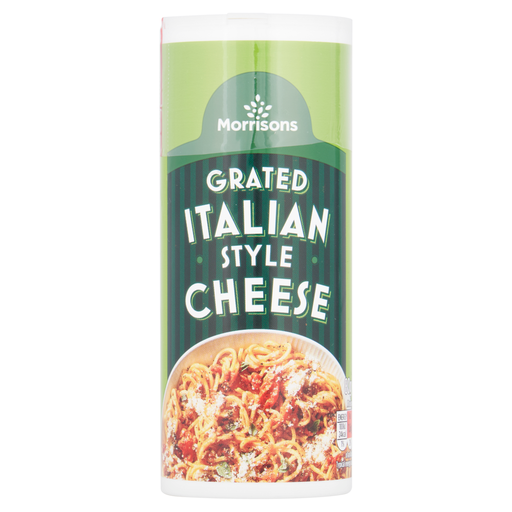 Image unavailable
Consider this when the meal calls for a grated topping, not a spreadable cheese. Check the pack’s ingredients, allergens and storage directions for the intended diners.
No. Sainsbury’s and Tesco list soft cream cheese separately from grated cheeses such as cheddar and mozzarella. If a product is described as “pre-grated cream cheese”, check its actual cheese type and texture before relying on it for a recipe.
Choose an already-grated cheese that suits the recipe, rather than soft cream cheese. M&S describes its grated mozzarella as shredded and suitable for melting; check the exact product if the recipe calls for a particular cheese.
Look at soft-cheese portions or mini tubs. Boursin lists individually wrapped Garlic & Herbs portions, while Sainsbury’s lists Philadelphia mini tubs; check the exact product’s ingredients and allergens before serving.
Follow the temperature instructions and date marking on the exact pack. The Food Standards Agency warns that food stored too long or at the wrong temperature can cause food poisoning; Boursin, for example, specifies +2°C to +6°C for its Garlic & Herbs soft cheese.
No single cheese choice establishes that. The NHS identifies cheese and other dairy foods as calcium sources and says adults need 700 mg of calcium a day; the amount in a serving depends on the exact product and portion. Check its nutrition information rather than assuming cream cheese and grated cheese contribute the same amount.