Hosts setting out a cream tea
A chocolate-coated ginger biscuit adds a different choice to the table from a plain ginger nut. Consider whether guests would prefer a thin biscuit, a larger coated biscuit or a stem-ginger cookie.


Choose a dark-chocolate ginger biscuit if you want a chocolate coating alongside cream tea; choose a plain ginger nut if ginger crunch without chocolate is the aim. For a cocoa-rich option, compare the cocoa-solids figure for the chocolate with the separate figure for how much chocolate coats the biscuit. Check the purchased pack against guests’ specific allergies before serving.
A chocolate-coated ginger biscuit adds a different choice to the table from a plain ginger nut. Consider whether guests would prefer a thin biscuit, a larger coated biscuit or a stem-ginger cookie.
Look for a stated minimum cocoa-solids percentage in the chocolate. It does not tell you what percentage of the whole biscuit is cocoa, or how much of the biscuit is covered in chocolate.
A gluten-free label and a dark-chocolate description answer different questions. Check the current pack for the particular ingredients and precautionary allergen wording that matter to your guests.
Decide whether chocolate belongs on the table, then compare biscuit format, the two chocolate figures and the pack you will actually serve.
| Priority | What to check | Your needs |
|---|---|---|
| Chocolate and cocoa | Read the minimum cocoa solids in the chocolate separately from chocolate as a share of the biscuit. Waitrose & Partners lists 51% minimum cocoa solids in the chocolate on its thins, which contain 60% chocolate; its eight-pack lists 49% minimum cocoa solids in chocolate that makes up 78% of each biscuit. | I want a chocolate-coated biscuit, but I would compare both figures rather than assume the word ‘dark’ identifies a particular cocoa percentage. |
| Biscuit format | Compare a plain ginger nut with chocolate thins, larger coated biscuits and stem-ginger cookies. Tesco’s McVitie’s Ginger Nuts listing and Asda’s plain Ginger Nuts listing have no chocolate ingredient. | For ginger crunch without a coating, I would choose a plain ginger nut. If I want chocolate on the tea table, the biscuit’s size and ginger style matter too. |
| Guest ingredients | Check the current pack’s ingredients and precautionary allergen statements. Asda labels its Extra Special Free From dark-chocolate ginger cookies gluten-free, while listing oats, milk and soya. | If a guest avoids a particular ingredient, I need to check that ingredient specifically; a gluten-free or dark-chocolate label is not enough. |
| Servings | Check the biscuit count and pack weight rather than comparing pack weight alone. The checked Waitrose listings describe 10 thins in a 100 g pack and eight larger biscuits in a 180 g pack. | I want enough individual biscuits to offer guests, so I would count servings before choosing between the two formats. |
Waitrose & Partners lists its eight-pack as 78% dark chocolate, with at least 49% cocoa solids in that chocolate. The figures describe different things.
Read the ingredient percentage and the chocolate’s cocoa-solids statement separately when comparing coatings.
Sainsbury’s lists a Border 150 g product with 41% plain chocolate and 1.4% ground ginger. Joybuy’s listing for Border Dark Chocolate Gingers 150g describes 29% dark chocolate and 10% stem ginger.
Compare the ingredients on the product you intend to buy and check its current pack; do not treat the two listings as an identical recipe.
Asda’s gluten-free Free From ginger cookie lists milk and soya and carries a possible nut warning. Other checked chocolate-coated biscuits have different ingredient and precautionary statements.
Ask which ingredients matter to the guest, then read the purchased pack, including its precautionary wording.
These examples show how the formats and label details differ; a brand reference does not mean every biscuit in its range has the same recipe.
The checked Waitrose & Partners listings cover both dark-chocolate ginger thins and larger coated ginger biscuits.
M&S describes its checked dark-chocolate ginger biscuit as having a crumbly oat base and stem ginger.
The checked Taste the Difference cookies combine candied stem ginger with a Belgian dark-chocolate coating.
The checked Sainsbury’s listing is for a coated Border ginger biscuit, but a similarly named Joybuy listing gives a different recipe.
The checked Asda range includes plain Ginger Nuts and a separately labelled gluten-free dark-chocolate ginger cookie.
McVitie’s Ginger Nuts are a plain ginger-biscuit choice when a chocolate coating is not wanted.
These two ginger-and-dark-chocolate biscuit options offer different stated formats for a cream tea table. Check the product details and current pack if a particular cocoa figure, ingredient or allergen matters.
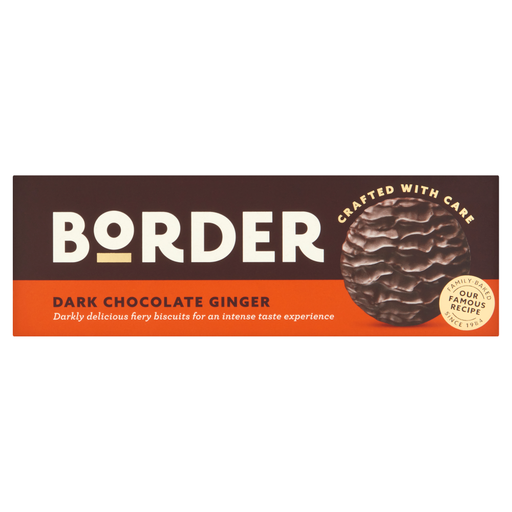 No image available
A coated ginger biscuit to consider if you want chocolate alongside cream tea. Joybuy’s listing describes 29% dark chocolate and 10% stem ginger. Check the pack rather than assuming its recipe matches a similarly named Border product listed by another retailer.
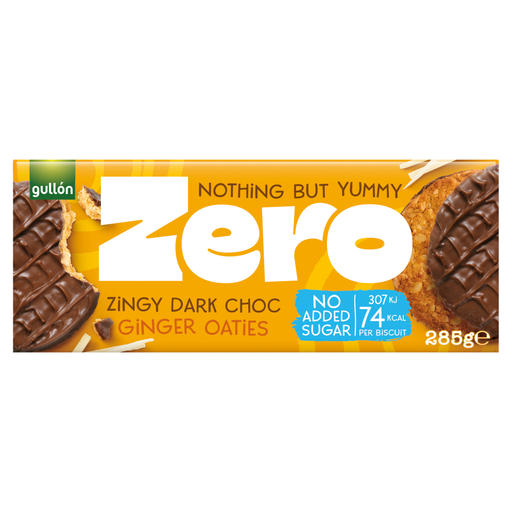 No image available
An oat-based dark-chocolate ginger biscuit option for the tea table. Check the ingredient list if you want a particular ginger style or cocoa-solids figure, and read the pack’s consumption warning before serving guests.
No. On the checked Waitrose & Partners and Sainsbury’s labels, the cocoa-solids minimum describes the chocolate component. A separate ingredient percentage tells you how much of the biscuit is chocolate; compare the two figures separately.
The checked biscuits are ready to eat. Waitrose, Sainsbury’s and Asda product information advises keeping them cool and dry and using an airtight container after opening; follow the instructions on the purchased pack.
No. Asda labels its checked Extra Special Free From cookie gluten-free, but lists oats, milk and soya and a possible nut presence. Check the current pack against the guest’s particular needs rather than relying on the gluten-free label alone.
Read the ingredients and allergen information on the purchased pack, including precautionary wording. Food Standards Scotland states that food businesses must provide information about the 14 allergens requiring declaration; that requirement does not mean an individual biscuit suits every guest.