For a cream tea, choose tea bags rather than buying a standard coffee-pod system solely to make herbal tea: Tesco Groceries lists coffee pods separately from tea, which does not establish that a machine can make herbal infusions. Choose an infusion labelled caffeine-free if avoiding caffeine matters, consider rooibos if guests take milk, or choose decaffeinated English Breakfast for a black-tea drink with milk. If you want to use a capsule machine, check compatibility with both the machine and the specific tea capsule before buying.
Who are the options for?
Cream-tea hosts avoiding caffeine
If some guests want a drink labelled caffeine-free alongside scones, clotted cream and jam, consider a herbal or fruit infusion. Twinings and Pukka describe their specified infusion ranges as naturally caffeine-free; check the exact pack and choose its flavour with the food in mind.
Guests who prefer black tea with milk
Decaffeinated English Breakfast keeps the choice within black tea rather than switching to a herbal infusion. Twinings describes its decaffeinated English Breakfast as 100% black tea and suggests serving it with milk; decaffeinated does not mean the same thing as a product labelled caffeine-free.
Coffee-pod-machine owners
Owning a capsule machine does not establish that it can prepare herbal tea. Tesco Groceries lists coffee pods and tea separately, so use tea bags for a straightforward brewed infusion unless the machine maker confirms a compatible tea capsule and its instructions.
What should you check?
Decide whether the drink needs to be labelled caffeine-free, then choose a flavour and brewing format that work for your guests.
| Priority | What to check | Your needs |
|---|
| Caffeine wording |
Read the exact pack for caffeine-free or decaffeinated wording. Twinings describes its decaffeinated English Breakfast as black tea, while Twinings and Pukka describe specified herbal ranges as naturally caffeine-free. |
If I need a drink labelled caffeine-free, I will check the infusion itself rather than treat decaffeinated black tea as equivalent. |
| Flavour and milk |
Compare a black-tea profile with fruit, floral or mint infusions. Clipper says its naturally caffeine-free redbush, or rooibos, can be served with milk; check the ingredients of any rooibos blend. |
I would like to offer milk without choosing decaffeinated black tea, or let guests choose a fruit or herbal flavour alongside the scones and jam. |
| Brewing format |
Check whether the product is a tea bag or a capsule and follow its brewing instructions. Tesco Groceries lists coffee pods separately from tea; that listing does not confirm herbal-tea compatibility with a pod machine. |
For a cream tea, I want to prepare the intended drink rather than assume my coffee machine accepts an herbal infusion. |
| Ingredients and allergens |
Read the current pack’s ingredients and any precautionary allergen statement for each blend. The Food Standards Agency explains that such statements can communicate possible unintended allergen presence. |
When serving guests, I need to keep the packaging available so they can check the information relevant to them. |
Buying mistakes to avoid
-
Assuming coffee pods and herbal tea bags are interchangeable
Tesco Groceries separates its coffee-pod listings from tea. A coffee capsule or machine should not be assumed to prepare a bagged herbal infusion.
Choose tea bags for a conventional brewed infusion. For capsules, confirm the exact tea product, machine compatibility and preparation instructions before buying.
-
Treating decaffeinated as caffeine-free
Decaffeinated English Breakfast is still black tea, whereas specified herbal infusions are described by their makers as naturally caffeine-free. The distinction matters when a guest needs a product explicitly labelled caffeine-free.
Check the exact pack’s caffeine wording. Choose decaffeinated black tea when its tea character and suitability for milk matter more than a caffeine-free label.
-
Choosing a flavour without considering the food
A mint, ginger or fruit infusion gives guests a different flavour from black tea alongside scones, cream and jam. That difference may be welcome, but it is not a like-for-like traditional tea serving.
Ask what guests prefer: consider rooibos if they want an infusion with milk, or offer a fruit, floral or mint bag as a clearly different option.
-
Overlooking ingredients when serving guests
Blended infusions can contain several named plants and flavourings. The Food Standards Agency explains that precautionary allergen statements can indicate possible unintended allergen presence.
Check the current packaging before serving and keep it available for guests to read. Do not assume that a herbal blend is suitable for someone with an allergy.
Brand and retailer references
These references help distinguish tea types and formats; they do not indicate that every named product is in the Joybuy selection below.
Twinings
Twinings lists both fruit-and-herbal infusions and decaffeinated English Breakfast, allowing a choice between those drink types.
- Twinings describes its fruit-and-herbal range as naturally caffeine-free and its decaffeinated English Breakfast as 100% black tea that can be served with milk.
- Check the exact product: decaffeinated black tea should not be treated as equivalent to an infusion labelled caffeine-free.
Pukka
Pukka presents caffeine-free herbal teas in flavour families including mint, ginger and chamomile.
- Its named flavour families give hosts options beyond a black-tea serving.
- Check each blend’s ingredients and the current pack when serving guests with specific requirements.
Clipper
Clipper offers herbal infusions including chamomile and redbush, also called rooibos.
- Clipper describes redbush as naturally caffeine-free and suitable for serving with milk. Its chamomile bags specify a 2–5 minute infusion.
- Follow the instructions and ingredient information for the particular infusion rather than applying one blend’s directions to another.
teapigs
teapigs lists herbal tea bags including peppermint, chamomile and a honeybush-and-rooibos blend.
- Those listed flavours offer different choices for guests who do not want black tea.
- Check the specific product’s ingredients and format; a herbal tea bag is not evidence of capsule-machine compatibility.
Tesco
Tesco Groceries provides a useful distinction between its coffee-pod listings and its tea section.
- Its coffee-pod section lists coffee drinks, while its hot-drinks page presents tea separately.
- That category distinction does not, by itself, establish whether a particular machine accepts a particular tea capsule.
Joybuy tea bags for a cream tea
These Joybuy options are herbal or fruit tea bags for guests who want an alternative to black tea with their cream tea. They are not coffee pods or decaffeinated English Breakfast products.
 No image available
Pukka Chamomile Vanilla & Manuka Honey 20 Sachets 32g
A chamomile-led tea-bag option when guests would prefer a floral flavour to black tea. Check the current pack’s ingredients and allergen information before serving, particularly where a guest has specific requirements.
 No image available
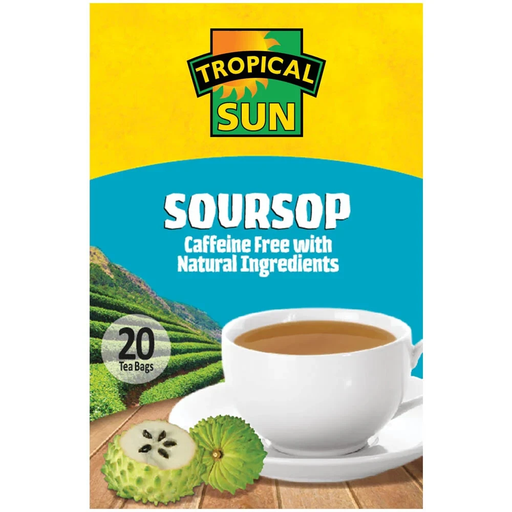
Tropical Sun Soursop Tea, 20 Tea Bags
A soursop infusion for guests open to a flavour other than traditional black tea. Use the preparation directions on the pack and check its current ingredient and allergen information before serving.
 No image available
Twinings Lemon & Ginger Tea Bags, 20 Pack
Lemon and ginger provide a distinct flavour alongside a cream tea rather than the taste of black tea. Check whether guests want that contrast, and read the current pack for ingredients, allergen information and brewing directions.
 No image available
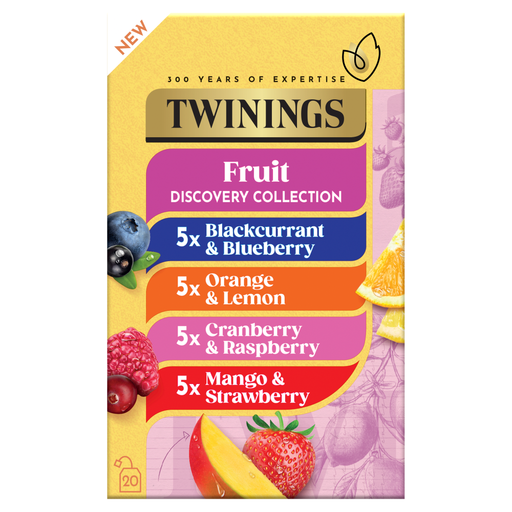
Twinings Fruit Selection, 20 Tea Bags 40g
An assortment to consider when guests would welcome a choice of fruit infusions instead of black tea. Check each selected blend’s ingredients and follow the directions on its current packaging.
 No image available
Twinings Pure Peppermint, 80 Pack
A mint-flavoured option in a larger pack for serving several guests. Peppermint is a different flavour choice from black tea; check the current pack’s brewing directions and allergen information before serving.
Questions about cream-tea drinks
Can standard coffee pods make herbal tea for a cream tea?
Do not assume they can. Tesco Groceries lists coffee pods separately from tea; use herbal tea bags for a conventional brewed infusion unless the maker confirms that your exact machine accepts a particular tea capsule and explains how to use it.
What can I serve with milk if guests want to avoid caffeine?
Rooibos, or redbush, is an option to consider: Clipper describes it as a naturally caffeine-free infusion that can be served with milk. Check the exact blend’s caffeine wording and ingredients. If reduced caffeine rather than a caffeine-free label is the aim, decaffeinated English Breakfast offers a black-tea alternative.
Can I assume every herbal tea is caffeine-free?
No. Twinings and Pukka describe their specified herbal ranges as naturally caffeine-free, but the category name is not a substitute for checking the exact pack’s ingredients and caffeine wording.
How long should I brew herbal tea bags?
Follow the instructions for the particular tea bag. Clipper specifies a 2–5 minute infusion for its Organic Chamomile bags; that timing should not be applied automatically to other blends.
What should I check before serving herbal tea to a guest with an allergy?
Read the ingredients and any precautionary allergen statement on the exact current pack, and keep it available for the guest. The Food Standards Agency explains that precautionary statements can communicate possible unintended presence of a regulated allergen; do not assume a herbal blend is suitable from its name alone.


