For a cocoa-led drink alongside sweet scones, consider dark drinking chocolate or flakes with a declared cocoa-solids level: Marks & Spencer states minimums of 72% and 70% for its cited products. Cocoa powder lets you control the sugar you add, while an instant mix may simplify preparation. Whichever you choose, check the exact pack's instructions, ingredients and allergen information before serving.
Who is this choice for?
Hosts seeking a cocoa-led contrast
If scones, jam and clotted cream already provide the sweet part of the cream tea, a dark drinking chocolate may offer the contrast you want. Marks & Spencer declares at least 72% cocoa solids in its cited dark drinking chocolate and 70% in its dark flakes; those figures describe the chocolate, not a guaranteed level of sweetness in the finished drink.
Hosts planning several drinks
Decide how much preparation you can manage while serving. Dark drinking chocolate and flakes are options for making a drink with hot milk; cocoa powder lets you adjust the sugar added, while an instant mix offers a different preparation route. Follow the directions for the product you buy.
Hosts serving guests with allergies
Check each drink ingredient and the current product label before serving. Marks & Spencer states that its cited 72% drinking chocolate is unsuitable for people with milk or soya allergies, and its cited dark flakes are unsuitable for people with milk or nut allergies. The Food Standards Agency explains that precautionary allergen wording can indicate possible unintended allergen presence.
What should you check?
Start with the kind of drink you want to serve, then check its preparation method and the exact pack's allergen information.
| Priority |
What to check |
Your needs |
| Cocoa profile |
Look for a declared cocoa-solids level on dark drinking chocolate or flakes. Marks & Spencer states minimums of 72% for its cited drinking chocolate and 70% for its dark flakes; a percentage for cocoa powder within an instant mix describes a different measure. |
I'd like the drink to provide a cocoa-led contrast to jam and cream, so I want to choose by the exact product rather than by words such as ‘Belgian’ on the front. |
| Sweetness |
Read the ingredient list and preparation directions. If choosing cocoa powder, check what else you will add when making the drink. |
Being able to decide how much sugar to add matters more to me than using a ready-mixed drink. |
| Preparation |
Check whether the product calls for hot milk and whether it needs stirring or a paste made first. Marks & Spencer's cited instant mix lists sugar, cocoa powder, dried whey and dried skimmed milk; do not assume it has the same formulation as dark drinking chocolate. |
If I'm making drinks while serving the cream tea, I need a method I can manage without leaving prepared cups waiting. |
| Allergens |
Read the current ingredient list, highlighted allergens and any precautionary statement on the exact pack. Check the milk and other ingredients used to prepare each serving too. |
When a guest has an allergy, I need to assess the whole drink, not assume that ‘dark’ means free from milk or other allergens. |
Common buying mistakes
-
Taking ‘Belgian’ or ‘dark’ as a cocoa-content declaration
Product names do not all describe the same formulation. Marks & Spencer declares minimum cocoa-solids levels of 72% and 70% for its cited dark products, while Tesco lists its Finest Belgian milk-chocolate flakes as 45% milk chocolate.
Check the cocoa declaration and ingredients on the exact pack if a particular dark-chocolate profile matters to you.
-
Choosing an instant mix for a milk-made drinking chocolate
Marks & Spencer's cited instant mix lists sugar, cocoa powder, dried whey and dried skimmed milk. Its dark drinking chocolate is a different product intended to be stirred into hot milk.
Choose the preparation route before buying, then follow that product's directions when making the drinks.
-
Assuming dark chocolate is suitable for every guest
Marks & Spencer labels its cited 72% drinking chocolate unsuitable for people with milk or soya allergies and its cited dark flakes unsuitable for people with milk or nut allergies. The Food Standards Agency says precautionary allergen wording communicates possible unintended presence.
Ask guests about their requirements and check the current label for the exact product and every ingredient used to prepare it. Recheck if you change the flavour or pack.
Brand references
These ranges illustrate different ways to shop for hot chocolate; assess the particular product, not the brand name alone.
M&S Collection
Marks & Spencer lists a 72% Dark Drinking Chocolate and Collection Belgian Dark Hot Chocolate Flakes for shoppers considering a declared dark-chocolate base.
- Marks & Spencer states minimum cocoa-solids levels of 72% and 70% respectively.
- Its drinking chocolate carries milk and soya allergy warnings; the cited flakes carry milk and nut allergy warnings.
Cadbury
Cadbury presents Bournville Cocoa as a powder that can be mixed with hot milk for a drink.
- A cocoa-powder preparation gives the host control over the sugar added to the cup.
- Check the exact pack for its ingredients, allergens and any cocoa declaration before treating it as a particular dark-chocolate option.
Galaxy
Galaxy Instant Hot Chocolate Drink 370g is an instant-drink option for shoppers prioritising that format.
- The product name identifies it as an instant hot chocolate.
- Check the exact variant's cocoa declaration, ingredients and preparation directions if you want a particular dark-chocolate profile.
Options
Options is a flavoured instant-hot-chocolate route when flavour choice matters more than selecting by a declared dark-chocolate level.
- Choose by the flavour and instructions on the individual pack.
- Do not infer a high cocoa-solids level from the brand name or flavour description.
Tesco Finest
Tesco lists Finest Belgian 45% Milk Hot Chocolate Flakes as a milk-chocolate-flake option.
- The listing identifies the product as 45% milk chocolate flakes, helping distinguish it from the cited dark options.
- Check the exact pack's ingredients, allergens and preparation directions before serving.
Cocoa powder options on Joybuy
These cocoa powders are options for a cream-tea host who wants to prepare the drink and decide what to add. They are not substitutes for choosing a drinking chocolate or flakes with a stated cocoa-solids level.
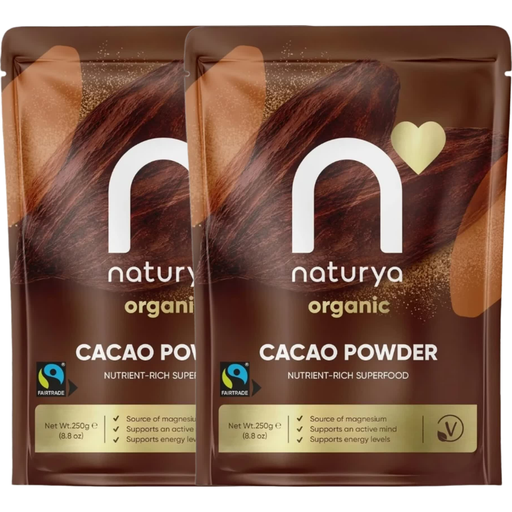 Image unavailable
Naturya Organic Cacao Powder, 250g, pack of two
A cacao-powder option if you want to prepare the drink and choose what to add. The product guidance advises making a paste first to avoid clumps. Check the current pack's allergen information before serving, particularly if a guest needs to avoid gluten.
View on Joybuy
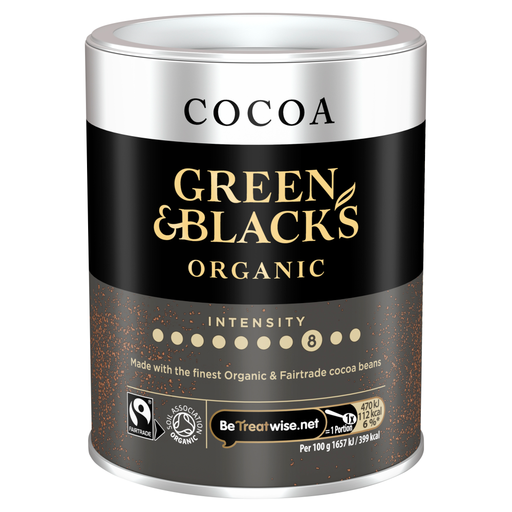 Image unavailable
g&B Organic Cocoa 125g
A cocoa-powder option for a drink you prepare and adjust yourself. Check the pack for hot-chocolate directions and any cocoa declaration you require. Its product information includes a ‘may contain milk’ statement, so read the current label before serving a guest with a milk allergy.
View on Joybuy
Frequently asked questions
What makes a hot chocolate suitable for a cocoa-led cream tea?
Look for a declared dark-chocolate base if you want a cocoa-led contrast to sweet scones, jam and clotted cream. Marks & Spencer states minimum cocoa-solids levels of 72% for its cited drinking chocolate and 70% for its dark flakes. Those declarations help identify the products, but check the ingredients and prepare the drink to your taste.
Should I make hot chocolate with milk or water?
Follow the directions on the product you choose. Marks & Spencer's cited 72% Dark Drinking Chocolate is intended to be stirred into hot milk; an instant product may have different instructions and ingredients. Include the milk or other liquid you use when checking a guest's allergen requirements.
Can I assume dark hot chocolate is dairy-free?
No. Marks & Spencer states that its cited 72% drinking chocolate is unsuitable for people with milk or soya allergies, while its cited dark flakes are unsuitable for people with milk or nut allergies. Check the current label on the exact pack before serving.
What allergen information should I read before serving guests?
Read the current ingredients and allergen information for the hot chocolate and everything used to prepare it, including any precautionary statement. The Food Standards Agency explains that precautionary allergen labelling communicates possible unintended allergen presence; do not treat the absence of an allergen from a product's name as an assurance of suitability.


