Someone avoiding lactose but able to have milk
Lactose-free cow’s milk may suit their tea. Check the scone, spread and cream separately: changing what goes in the cup does not change the rest of the serving.


Choose lactose-free cow’s milk if lactose is the issue and the person being served can have milk; it remains dairy and changing the tea milk alone does not address the scones or cream. For a milk-free or vegan cream tea, choose a suitable plant drink and check the ingredients and allergen information for the scones, spread and cream-style topping too.
The reason for avoiding milk determines whether lactose-free dairy is an option or the whole serving needs to be dairy-free.
Lactose-free cow’s milk may suit their tea. Check the scone, spread and cream separately: changing what goes in the cup does not change the rest of the serving.
Use suitable alternatives throughout the cream tea, including the drink, scone ingredients and topping. Lactose-free cow’s milk still contains milk.
Ask which ingredients each guest needs to avoid, check current labels and keep servings clearly identifiable. Allergy UK distinguishes lactose intolerance from milk allergy; the two requirements should not be treated as interchangeable.
Start with whether milk itself must be avoided, then plan every part of the cream tea before comparing drinks for tea or baking.
| Priority | What to check | Your needs |
|---|---|---|
| Milk or lactose | Read the ingredients and allergen declaration. Arla lists whole milk and lactase in its LactoFREE whole milk and declares milk as an allergen. | If I need to avoid milk, lactose-free cow’s milk will not meet that requirement. If lactose is the concern and milk is tolerated, I can consider it. |
| The whole serving | Check the scones, spread, cream or cream-style topping and tea milk individually. For a vegan version, use a recipe designed with dairy-free ingredients throughout, as in the National Trust’s vegan cream tea. | I want the scone and topping to meet the same requirement as the drink, rather than changing only the milk in my tea. |
| Tea and baking | Compare the type of drink and its stated uses. For plant drinks, check whether the recipe calls for that ingredient; coffee-focused barista descriptions alone do not establish how a drink will work in tea. | I’d like a drink for tea, and I may need a suitable ingredient for dairy-free scones as well. |
| Regular dairy replacement | Compare the nutrition and ingredient labels, including whether a plant drink is unsweetened and calcium-fortified. The NHS identifies unsweetened, calcium-fortified dairy alternatives as an option when replacing dairy. | If I’ll use a plant drink beyond one cream tea, I want to compare its label rather than assume all alternatives have the same composition. |
Lactose-free cow’s milk can still contain milk proteins. Arla declares milk in its LactoFREE whole milk, so it is not a substitute for a guest who must avoid milk.
For a milk-free requirement, choose appropriately labelled alternatives and check the current allergen information for every ingredient.
Conventional cream, butter and baked goods may also contain lactose or milk. The drink alone cannot determine whether the cream tea meets a guest’s requirements.
Check the complete serving. For a vegan cream tea, a recipe using plant-based scone ingredients and a dairy-free cream-style topping gives you a starting point.
Ingredients and fortification differ between drinks, which matters when a plant drink will replace dairy regularly rather than appear in one cup of tea.
Compare the current labels for ingredients and nutrition, including whether the drink is unsweetened and calcium-fortified.
An opened chilled carton has storage instructions that matter if only a little milk is needed for tea.
Choose a pack size that fits the serving and follow its refrigeration, use-by and after-opening instructions.
These examples help distinguish lactose-free cow’s milk from plant-based alternatives; a retailer’s range is not a substitute for checking an individual pack.
Arla’s LactoFREE whole milk is cow’s milk with lactase, offering a lactose-free dairy option for the tea.
Tesco lists lactose-free dairy drinks, including own-label skimmed and semi-skimmed versions.
M&S lists whole and semi-skimmed lactose-free cow’s milk, including a whole version described for tea.
Waitrose lists Arla LactoFREE whole milk and a dairy-free soya cream alternative, illustrating two different roles in a cream tea.
These plant drinks are options to consider for the dairy-free drink part of a cream tea. You will still need suitable scones and a cream-style topping; check each drink’s current label against the needs of the person being served.
 No image available
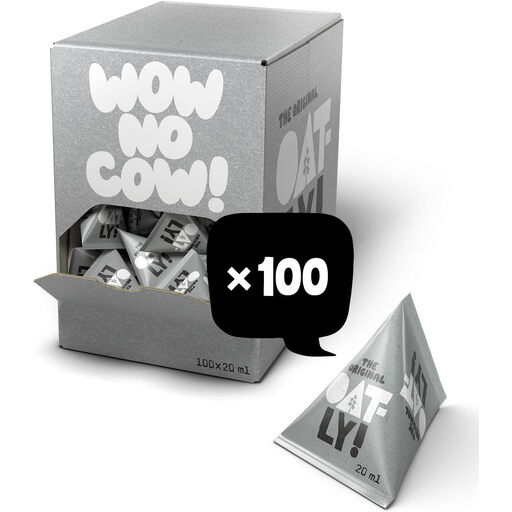
The 20 ml portions offer a way to put an oat drink beside individual cups of tea. Check the pack’s allergen information, including oats, before serving.
 No image available
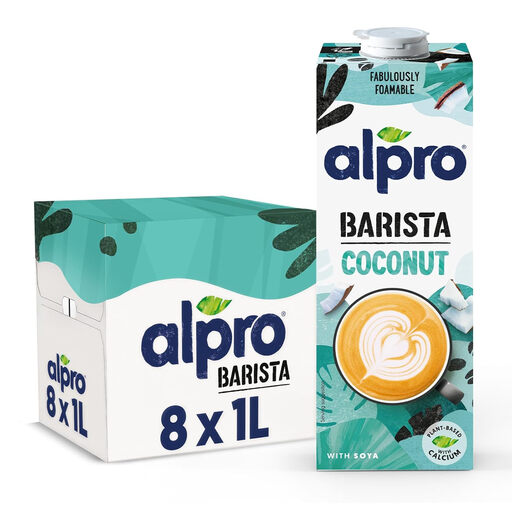
A plant-based drink to consider for a dairy-free serving; its described barista use concerns coffee, so check whether it suits your tea. Check the current allergen label, including soya, and whether the drink is unsweetened if that matters to you.
 No image available
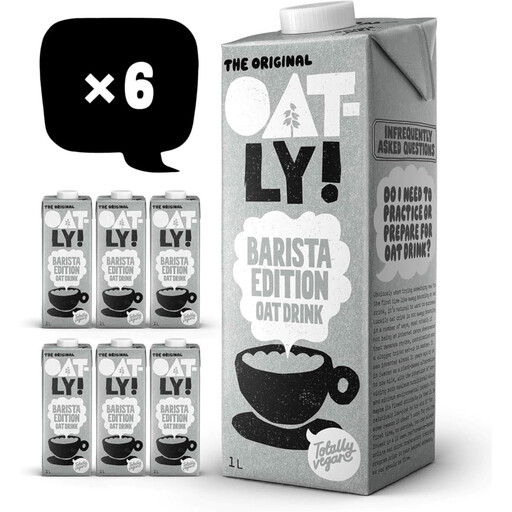
This oat barista drink comes in six 1 L cartons. Its described hot-drink use is coffee rather than tea; check the current allergen label, including oats, and whether the drink suits your intended serving.
 No image available
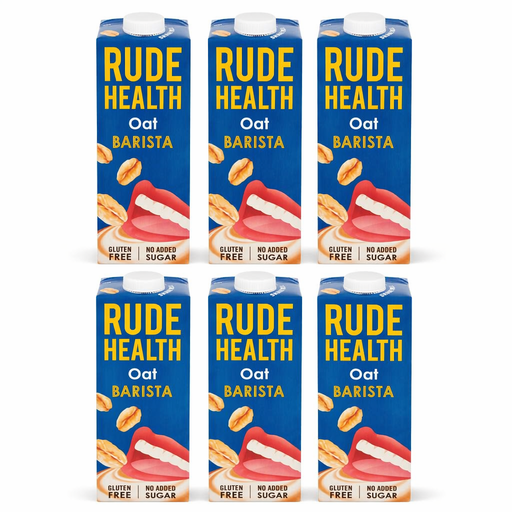
This 1 L oat drink is described for steaming or foaming in coffee. If you plan to put it in tea or use it as a regular dairy replacement, check its intended use, allergen information and current nutrition label.
 No image available
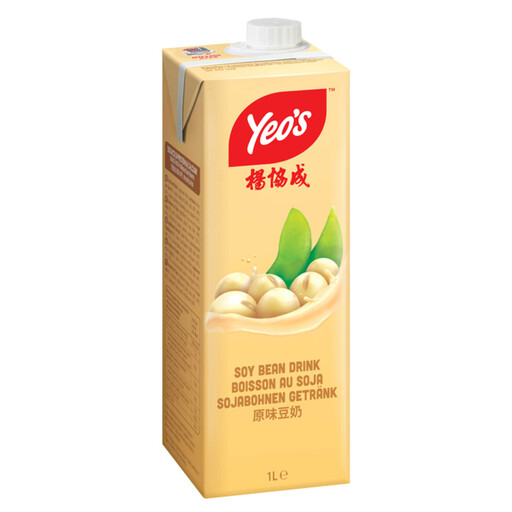
This 1 L soya drink is an option to compare for a milk-free serving. Check the current allergen label, including soya, and whether its instructions and ingredients suit tea.
No. Lactose-free cow’s milk remains dairy: Arla lists whole milk in its LactoFREE whole milk and declares milk as an allergen. It is not a milk-free substitute.
No: the scone, spread and cream need checking too. The NHS identifies cream and baked foods among potential sources of lactose, so assess the complete serving against the person’s requirements.
Use a suitable plant drink alongside dairy-free scones and a dairy-free cream-style topping. The National Trust’s vegan cream-tea recipe uses plant-based ingredients for the scones and topping; check the allergen information on any packaged ingredients you choose.
Choose according to the milk type you want for tea or baking and compare the current nutrition labels. Lactose-free does not itself describe the fat level: M&S lists both whole and semi-skimmed varieties, while Tesco lists own-label skimmed and semi-skimmed dairy drinks.
Follow the refrigeration and after-opening instructions on the individual carton. Check them when choosing a pack size, particularly if the cream tea will use only a small amount.