
24/7 Customer Support

Free returns

Same-day & Next-day Delivery

Quality Guaranteed

Unlock Your Welcome Offers: FREE Delivery | Up to 80% OFF | Free 30-day JoyPlus trial
Download the APP
If you are comparing creatine monohydrate powder for gym sessions, strength training or general exercise support, the choice can look deceptively simple. Many tubs use phrases such as “advanced”, “rapid absorption” or “performance matrix”, yet the practical differences may come down to serving size, ingredient transparency and whether you will actually enjoy taking it consistently.
As the Joybuy Product Recommendation Officer, I focus on separating useful specifications from marketing language. Here are the main pitfalls to avoid before buying.
A larger container does not automatically provide more creatine per serving. Some products include flavourings, electrolytes, protein or other ingredients, meaning the total powder weight is not the same as the amount of creatine monohydrate.
Always check:
For example, a 360g hydration powder may contain 5g of creatine in a 12g serving, while a 250g flavoured powder may provide 4.25g in a 5g serving.
Micronised creatine powder is made with finer particles. This can make mixing more convenient, particularly if you dislike a gritty drink. However, “micronised” does not mean the product contains more creatine, and it does not replace the need to check the actual nutrition panel.
A straightforward ingredient list can be a useful choice if you already use a separate protein powder, pre-workout or electrolyte drink.
A flavoured creatine powder can be more pleasant than plain powder, but it may also contain sweeteners, acids, colourings and flavourings. Check the full ingredient list if you are limiting sugar, sweeteners or specific additives.
An unflavoured creatine product gives you more flexibility: mix it with water, squash, milk or a protein shake without adding another strong taste.
For adults, many products provide between approximately 3g and 5g of creatine monohydrate per daily serving. The permitted UK nutrition claim for creatine and physical performance applies when 3g of creatine is consumed daily, alongside successive bursts of short-term, high-intensity exercise.
This does not mean you need a loading phase. Some labels describe a higher intake for an initial period, while others recommend one daily serving from the start. Follow the instructions supplied with the product rather than combining several creatine supplements.
For a basic creatine supplement, look for:
If you want creatine and electrolytes in one drink, a blended product may be more convenient. However, compare the sodium, potassium, magnesium and carbohydrate amounts as well as the creatine content.
A creatine powder 500g tub can suit regular users because 5g daily provides roughly 100 servings. Smaller 250g packs may be more practical if you are trying a flavour or do not want to store a large container.
To compare value fairly, divide the purchase price by the number of labelled servings, then check the amount of creatine in each serving. This is more useful than comparing tub weight alone.
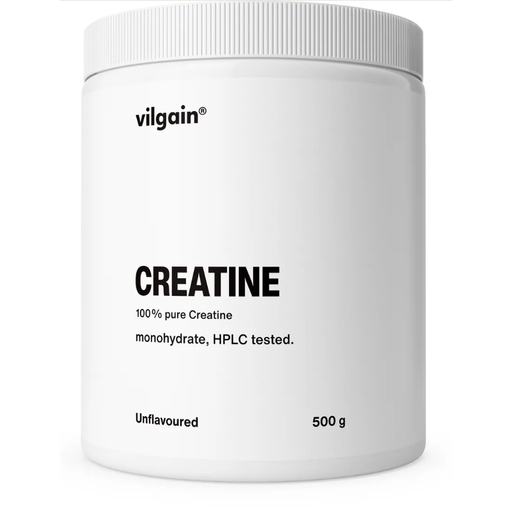
Why This Fits Their Persona: The 500g unflavoured format is suited to adults who want a simple daily powder and prefer to compare cost per serving over time.
The label lists micronised creatine monohydrate as the ingredient, without a flavoured blend obscuring the creatine quantity.
500g pack; 5g creatine monohydrate per stated serving; mixes with water or other drinks.
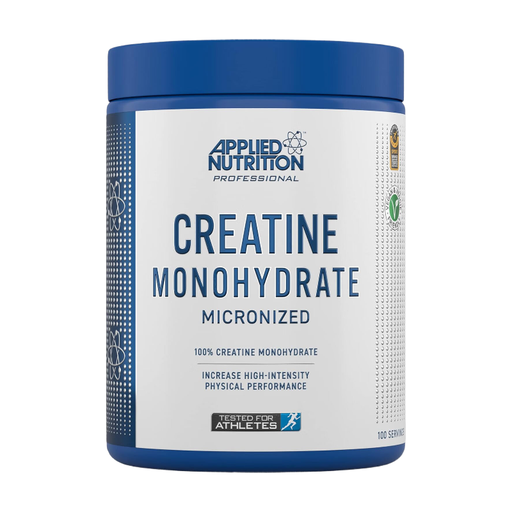
Why This Fits Their Persona: A suitable option for shoppers prioritising a single-ingredient formula, documented batch quality information and a larger supply.
It is listed as 100% creatine monohydrate, with no added sugar, lactose, gluten or caffeine shown in the product details.
5g per serving; 200-mesh micronised powder; listed as vegan, lactose-free and gluten-free.
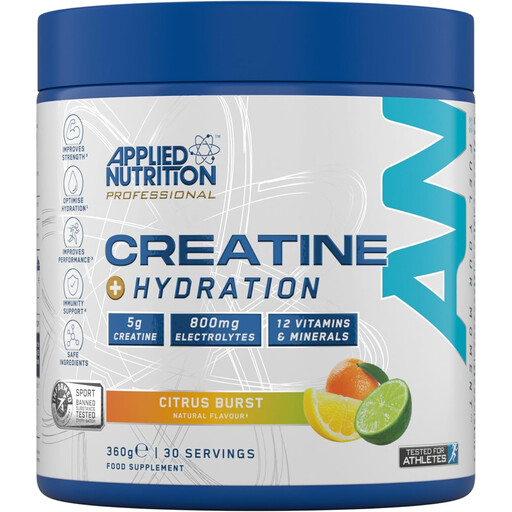
Why This Fits Their Persona: This suits active adults who want one flavoured drink for creatine and electrolyte intake around sweaty or extended training sessions.
The product details show the creatine amount separately from the electrolyte and vitamin blend, making the 12g serving easier to assess.
5g creatine per scoop; magnesium, potassium, calcium and sodium listed; citrus flavour.
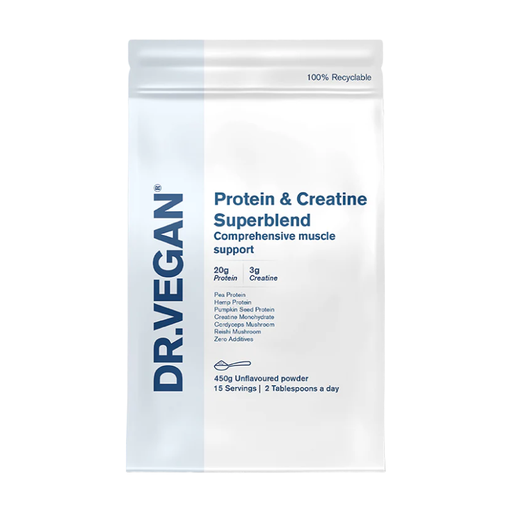
Why This Fits Their Persona: It is designed for adults who want to combine plant-based protein and creatine in one unflavoured powder rather than buying two separate products.
The label separates its 3g creatine content from the pea, pumpkin seed and hemp protein blend, rather than presenting the entire serving as creatine.
20g protein and 3g creatine per 30g serving; vegan; free from added sugar, dairy, soya and gluten according to the listing.
We have compiled a complete, real-time list of products that fully satisfy these strict selection criteria and UK safety regulations.
Mix the powder according to the product label. Micronised formulas generally work well in cold water, while an unflavoured product can be added to a protein shake or meal. Timing is usually less important than taking the labelled daily amount consistently.
Keep the container tightly closed in a cool, dry place, away from humidity and direct sunlight. A clean, dry scoop helps prevent clumping. Check the best-before date and do not use the product if the packaging or powder appears compromised.
Adults with a medical condition, those taking prescribed medicines, pregnant or breastfeeding women and anyone uncertain about suitability should seek advice from a healthcare professional before using a creatine supplement. Food supplements should complement, not replace, a varied diet and healthy lifestyle.
It can be considered by healthy adults who participate in resistance training or short, high-intensity exercise. Beginners should start by reading the serving instructions and choosing a formula they can take consistently, rather than automatically selecting a loading phase.
This depends on both pack size and serving amount. A 500g tub used at 5g per day provides approximately 100 servings. A 250g tub provides approximately 50 servings when measured at 5g daily, although some flavoured products contain less creatine than the total powder weight suggests.
Not necessarily. Creatine and electrolytes may be convenient for people who sweat heavily or prefer an all-in-one sports drink. If your training is shorter or you already use an electrolyte product, a plain creatine monohydrate powder may provide a simpler routine.