
24/7 Customer Support

Free returns

Same-day & Next-day Delivery

Quality Guaranteed

Unlock Your Welcome Offers: FREE Delivery | Up to 80% OFF | Free 30-day JoyPlus trial
Download the APP
Buying creatine monohydrate supplements should be straightforward: compare the creatine content, choose a format you will use consistently and check the label. In practice, colourful packaging and ambitious performance language can make a simple decision unnecessarily confusing.
Whether you are strength training in a local gym, preparing for weekend sport or adding resistance exercise to support muscle strength after 55, the right product depends on your routine rather than the loudest claim on the tub.
Many creatine powders contain one simple active ingredient: creatine monohydrate. A long ingredient list may add flavourings, sweeteners, electrolytes, vitamins or recovery ingredients. These can suit a particular routine, but they do not automatically make a product more suitable for you.
If your priority is a straightforward strength support supplement, compare the amount of creatine per serving before comparing branding or flavour.
A scoop weighing 5g does not always contain 5g of creatine. Flavoured products may include acids, flavourings and sweeteners, while sachets and gummies can provide a different amount per serving.
For example, some products in this guide provide 3.4g of creatine monohydrate per serving, while others provide 5g. Check the nutrition panel rather than relying on the scoop size or number of capsules.
A large tub may offer good value per serving but be awkward to carry to work or the gym. Conversely, capsules, gummies and sachets are convenient, but you may pay more per gram or need several units for one serving.
The most practical creatine supplement is usually the one that fits naturally into your existing meals, training bag or daily routine.
For shoppers comparing sports nutrition supplements, creatine monohydrate is the key ingredient to look for. It is available as standard powder, micronised creatine powder, capsules, gummies and single-serve sticks.
Compare:
A product labelled 100% creatine monohydrate provides a simpler comparison than a multi-ingredient blend. Products with additional electrolytes or peptides may be more suitable if you specifically want hydration or recovery support alongside creatine.
Look for a complete ingredient list, nutrition information, allergen guidance, storage instructions and warnings. Vilgain 100% Creatine Monohydrate states that each batch is HPLC tested for purity and heavy metal content. This is a product-specific quality detail, not a reason to assume every supplement has undergone the same checks.
Also check dietary suitability. Several options below are labelled vegan or vegetarian-friendly, while flavoured products may contain sweeteners, colourings or traces of allergens. Always read the current UK product label before purchasing, particularly if you have an allergy, medical condition or take medication.
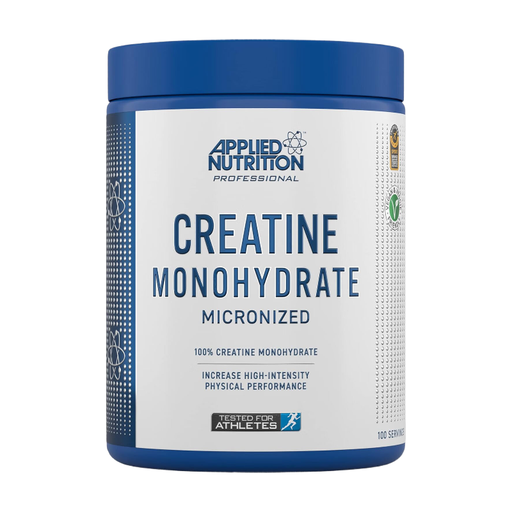
Why This Fits Their Persona: The 500g unflavoured tub suits new users who want a simple powder for regular training without committing to a flavoured formula.
The label identifies micronised creatine monohydrate as the ingredient, helping buyers compare the active content rather than decorative claims.
500g format; unflavoured powder; suitable for mixing with water or other drinks.
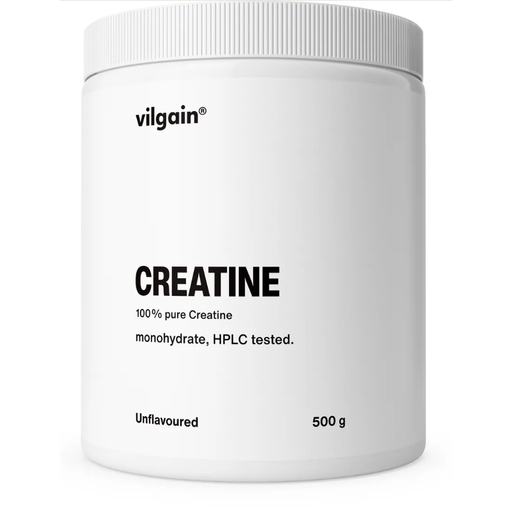
Why This Fits Their Persona: A suitable match for shoppers prioritising a clearly defined, vegan-friendly formula and batch testing information.
It avoids ambiguity by listing 100% creatine monohydrate and provides HPLC testing information for batches.
200-mesh micronised powder; 5g serving; vegan, lactose-free and gluten-free according to the supplied product information.
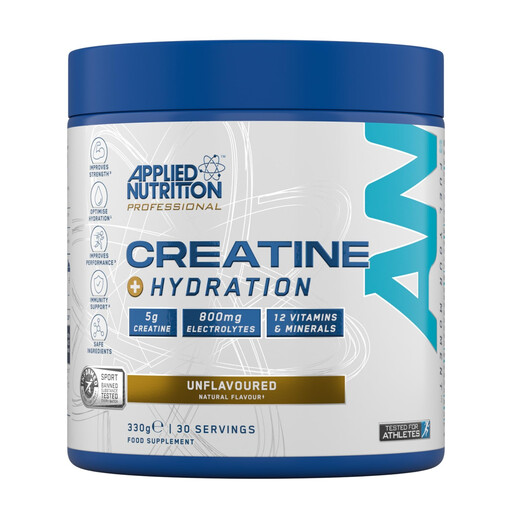
Why This Fits Their Persona: This combines creatine with electrolytes, vitamins and minerals for active adults who prefer one drink around demanding sessions.
The nutrition panel shows the additional ingredients and serving size, so you can decide whether the wider blend is useful rather than paying for unneeded extras.
Unflavoured format; includes potassium, magnesium, calcium and sodium sources; one stated daily serving.
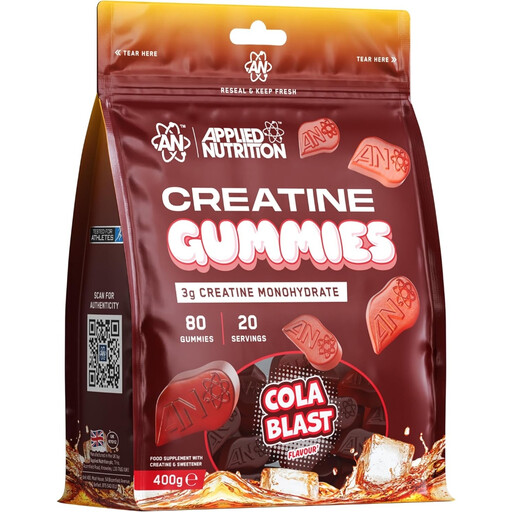
Why This Fits Their Persona: A water-free option for commuters, travellers or gym users who prefer chewable supplements to powders and capsules.
The serving is clearly set at four gummies, making it easier to compare the 3g creatine amount and sugar-containing ingredients with powder alternatives.
No water or shaker required; 80-gummy pack; cola flavour.
Follow the individual product instructions rather than combining several creatine products. Many powders list a daily serving of around 3–5g, but serving sizes differ. A loading phase is optional for some products; it is not necessary to assume that every user needs one.
Store powder, capsules, gummies and sachets in a cool, dry place, away from moisture and direct sunlight. Keep supplements out of the reach and sight of children. Food supplements should complement a varied, balanced diet and healthy lifestyle, not replace either.
We have compiled a complete, real-time list of products that fully satisfy these strict selection criteria and UK safety regulations.
Divide the net weight by the stated daily serving. A 500g tub used at 5g per day provides approximately 100 servings, although the actual duration depends on the product instructions and measuring method.
Not necessarily. Daily consistency is generally more practical than focusing on a precise training window. Follow the label instructions and choose a time that fits your meals or workout routine.
The cost per serving varies. Capsules and gummies can offer greater convenience, but compare the price per gram of creatine, not just the pack price. Also check whether the serving requires multiple capsules or gummies.