
24/7 Customer Support

Free returns

Same-day & Next-day Delivery

Quality Guaranteed

Unlock Your Welcome Offers: FREE Delivery | Up to 80% OFF | Free 30-day JoyPlus trial
Download the APP
Choosing between creatine powder, gummies and capsules can look straightforward until you compare serving sizes, ingredients and pack costs. Marketing often focuses on flavour, “advanced” blends or dramatic performance language, while the details that affect everyday value are easier to miss.
This guide from the Joybuy Product Recommendation Officer explains what to check before buying creatine monohydrate supplements in the UK, including suitable formats for different routines and dietary preferences.
A large tub does not automatically provide more usable creatine. Check the amount of creatine monohydrate per serving, not only the total weight. Some flavoured products contain acids, sweeteners or flavourings, which means the serving weight may be higher than the actual creatine content.
For example, a 4.5g serving of the Optimum Nutrition powder provides 3.4g of creatine monohydrate, while several unflavoured products list 5g of creatine monohydrate per 5g serving.
BCAAs, electrolytes, flavour systems and added ingredients may suit a particular routine, but they can make comparison more difficult. If your priority is straightforward creatine for strength or workout performance, a product listing 100% creatine monohydrate makes the label easier to assess.
A complex formula is not automatically more suitable than plain creatine powder. Consider whether you already obtain electrolytes or amino acids from food or another supplement.
Micronised creatine monohydrate is still creatine monohydrate. The finer powder may mix more conveniently, but it does not change the underlying ingredient. Also, “fast absorption” claims should not replace checking the actual serving size, ingredient list and directions.
Many adult products provide between approximately 3g and 5g of creatine monohydrate per serving. However, the recommended amount varies by product. A gummy or capsule format may require several pieces to provide its stated quantity.
For UK shoppers, always follow the product label and do not exceed the stated daily dose. Creatine supplements are intended for adults aged 18 and over unless the packaging states otherwise.
If you want vegan creatine, look for a product that clearly identifies its dietary suitability and capsule shell, if applicable. Vilgain lists 100% creatine monohydrate and states that it is vegan, lactose-free and gluten-free. Applied Nutrition BodyFuel sticks also list 100% creatine monohydrate and suitability for vegans and vegetarians.
Flavoured creatine can be easier to drink regularly, but check for sweeteners, colourings and acids. Unflavoured creatine is more flexible because it can be mixed with water, juice, a protein shake or another drink.
A 250g pack may be convenient for trying a product or storing in a gym bag. A 500g tub generally suits people who expect to use creatine regularly, but calculate the number of labelled servings before comparing prices.
Single-serve sachets can help with portion control and travel, while capsules and gummies avoid the need for a shaker. The most economical format depends on the dose, number of servings and how consistently you will use it.
The following selections are matched to different shopping needs rather than ranked universally. Product formulas, packaging and directions can change, so check the current label before purchase or use.
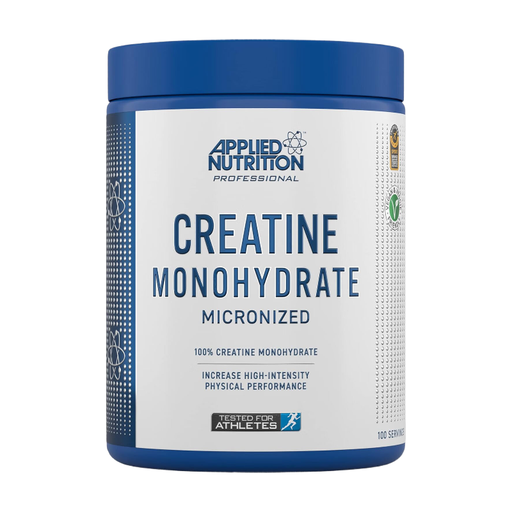
Why This Fits Their Persona: The 500g unflavoured tub suits adults starting a regular routine who want a larger supply without paying for a flavoured drink system.
The ingredient list identifies micronised creatine monohydrate without added flavourings, making the contents and serving calculation straightforward.
5g creatine monohydrate per listed serving; unflavoured powder mixes with water or other drinks.
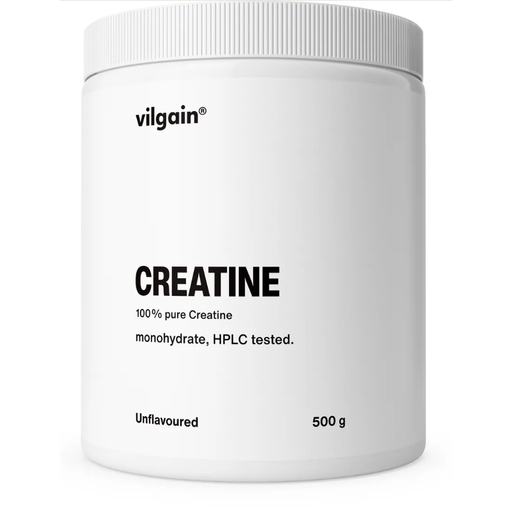
Why This Fits Their Persona: A suitable option for shoppers who prioritise a short ingredient list, vegan suitability and a larger tub for ongoing training.
It lists 100% creatine monohydrate rather than hiding the main ingredient inside a multi-ingredient blend. The listing also states HPLC batch testing.
5g per listed serving; vegan, lactose-free, gluten-free and caffeine-free according to the product information.
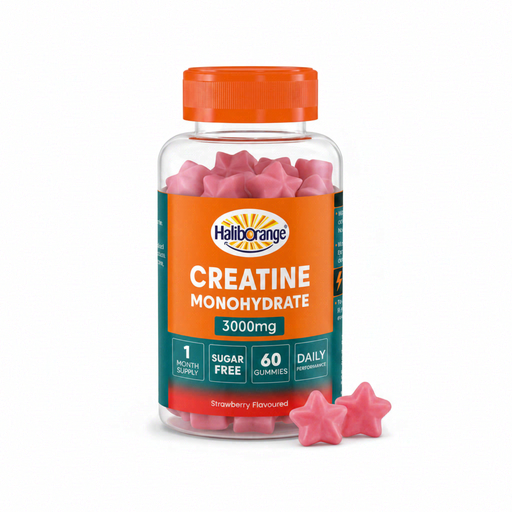
Why This Fits Their Persona: Two gummies provide a grab-and-go routine for adults who do not want a shaker bottle at work, during the school run or while travelling.
The pack states the serving clearly: two gummies provide 3,000mg of creatine monohydrate. This helps prevent undercounting individual pieces.
60 strawberry-flavoured gummies; sugar-free according to the supplied product description.
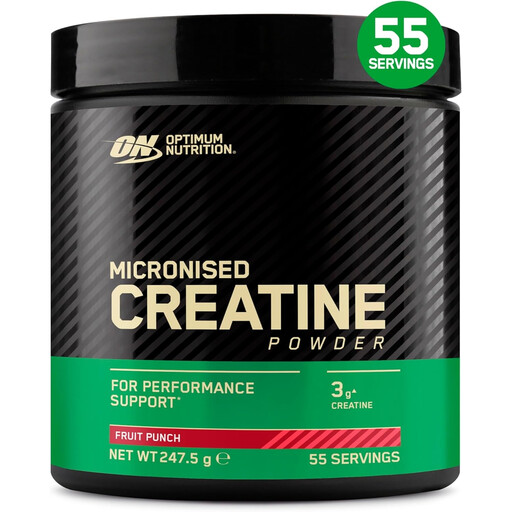
Why This Fits Their Persona: The fruit punch flavour is designed for users who are more likely to maintain a daily routine when the drink has a defined taste.
The label information distinguishes the 4.5g serving from its 3.4g creatine monohydrate content, allowing a more accurate comparison.
Fruit Punch flavour; one listed serving per day and suitability for vegetarian diets.
Creatine powder usually offers the clearest comparison between pack size and cost per serving. Micronised versions may be easier to mix, while unflavoured creatine works with protein shakes and other drinks.
Creatine gummies are practical for commuting and travel, but check the number of gummies per serving, sweeteners and total creatine amount.
Creatine capsules avoid taste and measuring. Vita London’s product provides 2,000mg of creatine monohydrate per four-capsule serving and also includes BCAAs and electrolytes. This may suit users who prefer a combined formula, although the lower creatine amount per serving should be considered when comparing it with 5g powders.
People following vegan or vegetarian diets should check the complete ingredient list, especially capsule shells and added ingredients. Anyone taking medication, managing a medical condition, pregnant or breastfeeding should seek advice from a healthcare professional before using a food supplement.
We have compiled a complete, real-time list of products that fully satisfy these strict selection criteria and UK safety regulations.
Divide the total powder weight by the stated daily serving. A 500g tub used at 5g daily contains approximately 100 servings, although the actual duration depends on the product directions. A 250g pack at 5g daily contains approximately 50 servings.
Not necessarily. Some products describe an optional loading phase, while others recommend a consistent daily serving. Follow the specific label rather than combining directions from different products.
Use the timing stated on the label. Many products permit daily use at a convenient time, while some suggest taking it before or after exercise. Consistency, accurate measuring and staying within the recommended dose are more practical considerations than choosing a complicated timing routine.