
24/7 Customer Support

Free returns

Same-day & Next-day Delivery

Quality Guaranteed

Unlock Your Welcome Offers: FREE Delivery | Up to 80% OFF | Free 30-day JoyPlus trial
Download the APP
Creatine supplements are available as powders, gummies, capsules, sachets and multi-ingredient hydration products. That variety is useful, but it can also make comparison difficult. A colourful label or a long ingredient list does not automatically mean better value for your routine.
For UK shoppers, the most practical choice usually comes down to creatine content per serving, format convenience, ingredient transparency and suitability for your diet. This guide explains the main buying pitfalls and highlights options for different lifestyles.
A 360g tub may appear larger than a 250g tub, but the serving may also contain electrolytes, flavourings, vitamins or other ingredients. Compare the actual amount of creatine monohydrate per serving, not just the pack size.
For example, some products provide around 3g to 3.4g of creatine per serving, while others provide 5g. Gummies and capsules may require several pieces to reach their stated daily amount, so check the serving instructions carefully.
Micronised creatine powder is still creatine monohydrate, but the particles are processed into a finer texture. This can make the powder easier to mix and may reduce grittiness. It does not necessarily mean the product contains more creatine or that it is automatically more suitable for you.
A plain, unflavoured product can be a sensible choice if you want to mix creatine with water, juice, a protein shake or a smoothie without changing the taste.
Creatine with electrolytes, B vitamins, taurine or plant extracts may suit people who want a combined sports drink. However, these additions can make the formula more complex and may not be necessary if you already use separate hydration or sports nutrition supplements.
Likewise, gummies can be convenient, but check their sweeteners, sugar content, serving size and storage instructions. Convenience should be balanced against cost per daily serving.
For shoppers comparing creatine monohydrate, look for a clearly stated amount per serving. A product listing should identify the ingredient and provide usage guidance on the label.
Common formats in this range include:
The permitted UK nutrition claim for creatine relates to increased physical performance in successive bursts of short-term, high-intensity exercise, provided the product supplies the required daily intake. This should not be interpreted as a promise of a particular sporting result.
Unflavoured creatine is generally the most flexible option for mixing into existing drinks. Flavoured powders may be easier to drink on their own, but inspect sweeteners, acids, colours and flavourings if you prefer a shorter ingredient list.
A product such as a creatine hydration powder may contain sodium, potassium, magnesium and calcium. These ingredients can be relevant after sweating, but compare the quantities with your wider diet and hydration routine.
People following a vegan or vegetarian diet should check both the creatine source and capsule or gummy ingredients. Some products are specifically labelled vegan, while others may contain gelatine or other animal-derived ingredients.
Always read the latest packaging for allergens, sweeteners, warnings and serving instructions. Product formulations can change, and online descriptions may not replace the physical label.
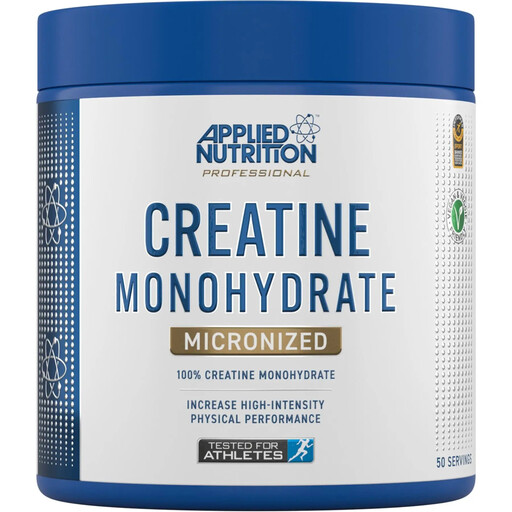
Why This Fits Their Persona: A straightforward entry point for adults who want a plain powder without paying for a multi-ingredient formula. The 250g pack is practical for establishing a consistent routine.
The listing identifies micronised creatine monohydrate as the ingredient and states 5g per serving, making the active amount easier to compare.
100% micronised creatine monohydrate; unflavoured and suitable for mixing with water or shakes.
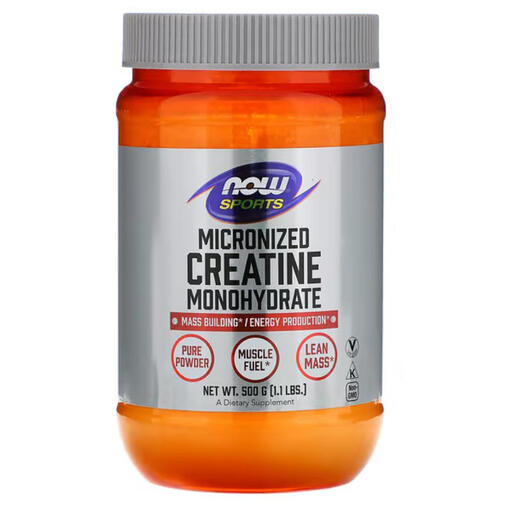
Why This Fits Their Persona: Suitable for regular gym-goers who prefer a larger pack and a single-ingredient formula for repeated daily use.
The formula lists creatine monohydrate without added flavourings, preservatives or performance blends that may complicate comparison.
500g pack; approximately 4.2g of creatine monohydrate per stated serving.
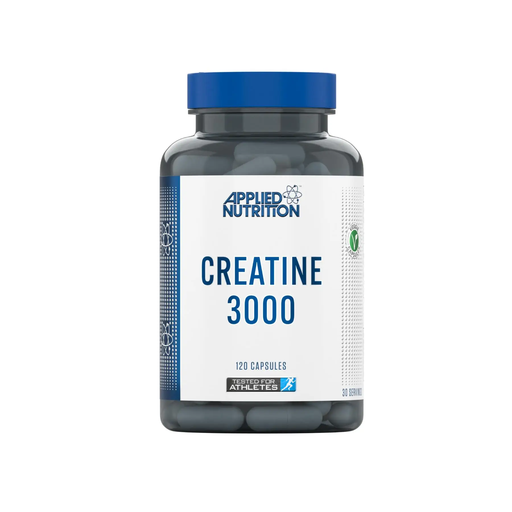
Why This Fits Their Persona: A portable option for vegans, vegetarians and busy adults who do not want to measure powder at work, while travelling or before training.
The listing specifies a vegan capsule formulation and states the creatine amount per serving, rather than relying only on capsule count.
120 capsules; vegan-friendly formulation with 3,000mg creatine per stated serving.
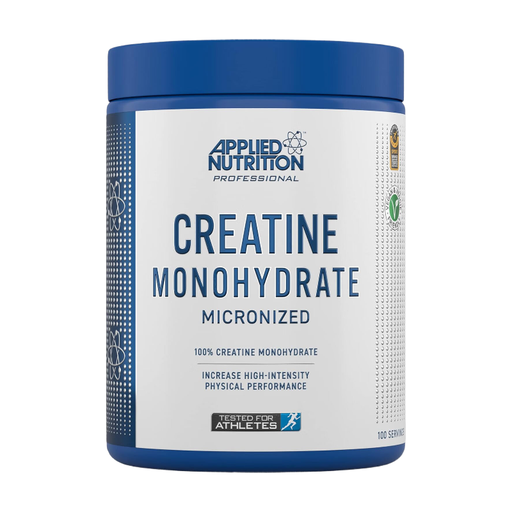
Why This Fits Their Persona: A larger format for active adults who use creatine regularly and want fewer repeat purchases.
The 500g pack contains only micronised creatine monohydrate, so the larger size is not inflated by a broad blend of secondary ingredients.
5g creatine monohydrate per stated serving; unflavoured format for flexible mixing.
We have compiled a complete, real-time list of products that fully satisfy these strict selection criteria and UK safety regulations.
Follow the serving size and maximum daily intake on the product label. Do not combine several creatine products without checking the total amount. Timing instructions vary, and many products can be taken at a convenient time of day rather than only before or after exercise.
Keep powders, gummies and capsules in a cool, dry place away from direct sunlight and humidity. Reseal tubs and bottles after use. A product should remain usable until its stated best-before date when stored as directed, but discard it if the packaging is damaged or the product develops an unusual smell, texture or appearance.
Food supplements are not a substitute for a varied diet and healthy lifestyle. Adults who are pregnant, breastfeeding, taking medication or managing a medical condition should seek advice from a healthcare professional before use. These products are not intended for under-18s.
Creatine monohydrate itself is generally suitable for vegan diets, but capsules, gummies and flavour systems may contain other ingredients. Look for an explicit vegan statement and check the full label, including the capsule shell and allergen information.
They can cost more per daily serving because the product includes flavouring, sweeteners and a chewable format. Compare the price per stated serving and creatine amount, rather than comparing pack prices alone.
Shelf life depends on the product and storage conditions. Check the best-before information on the packaging, keep the container tightly closed and protect it from heat and moisture. Sachets may be convenient for short trips because each serving is individually sealed.