
24/7 Customer Support

Free returns

Same-day & Next-day Delivery

Quality Guaranteed

Unlock Your Welcome Offers: FREE Delivery | Up to 80% OFF | Free 30-day JoyPlus trial
Download the APP
Finding creative toys and craft kits for kids can be harder than it looks. Product photos often show impressive finished projects, while the actual kit may contain limited materials, fiddly pieces or instructions that are difficult for younger children to follow.
Parents, grandparents and other gift-buyers can avoid wasted money by checking three common issues before ordering:
The right choice should match the child’s age, attention span, interests and the amount of support an adult can provide.
Age guidance is more than a marketing label. It should be considered alongside the choking hazard warning, complexity of assembly and whether the child can use the materials safely.
For example, the Galt Paint a Tea Set Craft Set is listed for children aged 5 and above and contains ceramic pieces, paints and a brush. Its packaging advises adult supervision and protection for clothing and the work surface. Slime kits may also include substances that should not be swallowed and should not be used on damaged skin.
For children aged 3 to 4, look for larger components and simple construction. Magnetic building blocks, chunky DIY toys for children and take-apart dinosaur building toys can be suitable options, provided the product’s specific safety guidance is followed.
Look for clear information about the main material, included components and applicable safety markings. Some construction toys in this category state that they use ABS plastic, rounded edges or magnetic parts. These details are useful, but they should not replace checking the age recommendation and warnings.
For magnetic toys, inspect whether the magnets are securely enclosed and whether the pieces are intended for the child’s age group. For arts and crafts, check whether paints, varnishes, glitter and adhesives are included, and whether they are designed for children.
A high piece count is not automatically better. A 60-piece magnetic farm set may suit a child who prefers short building sessions, while a 150-piece magnetic building set may offer more scope for siblings or older children. Storage is also important: scattered small parts can quickly make a creative activity impractical.
Some children enjoy completing one project and displaying it. Others prefer open-ended activities that can be rebuilt, repainted or adapted. Consider whether the kit offers:
A jewellery-making kit for children can encourage repeated design changes, while a plate or tea-set activity creates a finished decorative item. Science kits for kids can be engaging when the experiments are clearly explained, but adults should check whether consumable ingredients will need replacing.
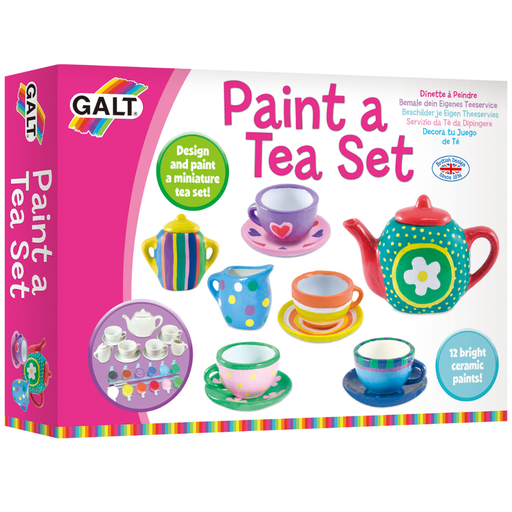
Why This Fits Their Persona: A contained introduction to children's arts and crafts for children aged 5 and above, suitable for a rainy afternoon at home or a supervised family activity.
The contents are clearly listed: a miniature ceramic tea set, brush, guide and 12 ceramic paints. Buyers can see what is required before starting.
Includes 12 colours and an instruction guide; no batteries are required. Adult supervision and surface protection are advised.
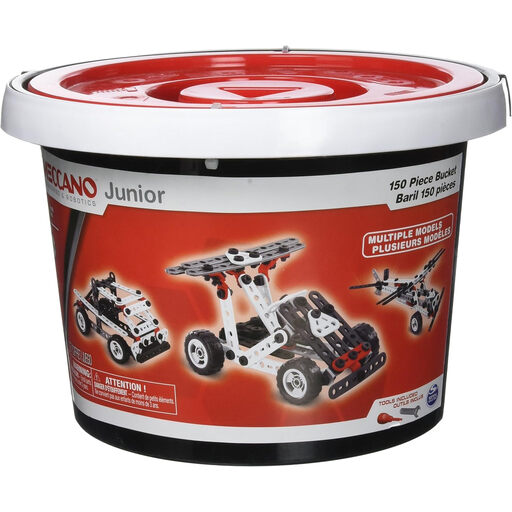
Why This Fits Their Persona: A structured option for children aged 5 and above who enjoy building, taking projects apart and inventing new designs rather than completing a single craft.
The set specifies 150 pieces, two child-sized tools, three model instructions and a reusable storage bucket, making the play scope clearer.
Easy-lock nuts and bolts are designed for assembly and disassembly; the bucket supports tidier storage between sessions.
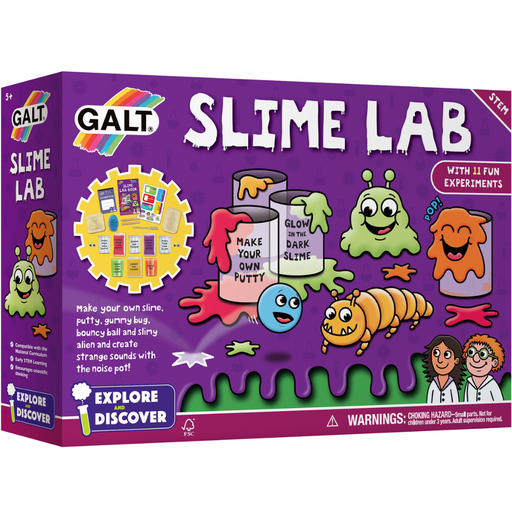
Why This Fits Their Persona: Suits children aged 5 and above who want practical experiments and sensory play, particularly during supervised weekend or holiday activities.
It lists seven activities, including glow slime, bouncing putty and gummy bugs, alongside a lab book and notepad. This gives buyers a clearer idea of the variety.
The kit uses hands-on experiments to introduce scientific thinking; protective clothing, clean surfaces and direct adult supervision are recommended.
We have compiled a complete, real-time list of products that fully satisfy these strict selection criteria and UK safety regulations.
For open-ended construction, consider magnetic building blocks with 60, 85, 100, 150 or more pieces. Sets featuring farms, nature scenes, unicorns, Ferris wheels or transparent tiles may appeal to different interests. Check the stated age, magnet safety information and storage arrangements rather than choosing on piece count alone.
Children who prefer creative finishing projects may enjoy paint-your-own craft kits, a jewellery-making kit or a home unicorn craft set. The Craft Creations Paint Your Own Plate Craft Set includes over 50 design ideas, while the Galt Sparkle Jewellery Craft Kit includes beads, charms, string, fasteners and instructions. These can work well as screen-free activities for kids, but small parts mean adult oversight is still appropriate.
For younger dinosaur fans, a take-apart dinosaur set can combine construction with pretend play. Check battery requirements, sound volume, component size and whether the child can assemble the parts without frustration.
Choose by developmental stage rather than age range alone. Children around 3 may prefer large magnetic tiles, chunky building pieces and simple imaginative play. Children aged 5 and above may be ready for painting, slime experiments, jewellery design and construction kits with tools. Always follow the individual product warning.
Yes, provided the activity matches the child’s interests and the recipient’s age. Paint-your-own sets and jewellery kits suit children who enjoy finished artwork, while STEM building toys and science kits offer more repeat-play potential. Consider whether the household has space and time for messy activities.
Many do. Adults should supervise activities involving ceramics, slime, small beads, magnets, nail products, paints or tools. Prepare a washable work surface, remove packaging and store unused components securely after play.