
24/7 Customer Support

Free returns

Same-day & Next-day Delivery

Quality Guaranteed

Unlock Your Welcome Offers: FREE Delivery | Up to 80% OFF | Free 30-day JoyPlus trial
Download the APP
Choosing between crispbreads, crackerbread, snack crackers and frozen pancakes is not always straightforward. A pack may look generous but contain fewer servings than expected, while terms such as “wholegrain”, “multiseed” or “light” do not automatically tell you whether the product suits your diet or intended use.
For UK shoppers, the most useful comparison points are ingredients, storage, cooking method, pack size and allergen information. Whether you want a rye crispbread for lunch, cheese crispbread for sharing or an Indian flatbread for a quick dinner, checking the details before buying helps prevent waste.
Crispbreads can be convenient and fibre-containing, but their nutritional values vary considerably. Toppings, cheese, oils and seasoning can increase fat or salt. Compare the per 100g figures and the stated serving size rather than relying only on front-of-pack wording.
For example, a rye crispbread may contain around 14.5g of fibre per 100g, while a lighter crackerbread may contain around 5g. Neither figure alone determines whether it is right for you; portion size and toppings also affect the overall snack.
Crispbreads, crackerbread and flavoured crispbreads are generally stored in a cool, dry cupboard. Parathas and Asian-style pancakes require freezer space at -18°C or below. A frozen product that has thawed should not normally be refrozen, so check delivery arrangements and available freezer capacity before ordering.
Wheat, rye, barley, oats, milk, sesame and soya appear frequently in this category. Vegetarian suitability does not mean dairy-free, and vegan tortilla chips still require an ingredient check for seasoning components.
Frozen products also need thorough cooking. A pancake that looks browned on the outside may still need additional time, particularly when cooked from frozen. Follow the packaging instructions and handle hot pans, ovens and air fryers carefully.
Look beyond terms such as “multiseed” or “three cheese”. Check the full ingredient list to identify:
A vegetarian product may still contain milk or eggs. If you need vegan food, confirm that the product is specifically labelled suitable for vegans rather than assuming it from the flavour or appearance.
Thin crackerbread suits light toppings such as hummus, avocado or soft cheese. A sturdier rye crispbread is more practical for open sandwiches, soup or salad. Cheese crispbread can work as a standalone savoury snack, while rosemary, chive or black pepper varieties add flavour without requiring additional seasoning.
For frozen products, decide whether you need a pliable wrap, flaky layers or a crisp exterior. Plain paratha is useful with curries and fillings; spring onion pancake works well as a quick savoury breakfast; taro-flavoured Korean pancake is a sweeter option for snacking.
Large family packs may offer better value when used regularly, but they need suitable storage. Humza Original Plain Paratha provides approximately 20 pieces in a 1.6kg pack, while Mon Salwa Royal Paratha contains 18 pieces in a 1.44kg pack. Smaller 320g pancake packs may be more suitable for occasional use or limited freezer space.
Once opened, ambient crispbreads should be kept airtight to preserve their crunch. Check the best-before information on the packaging, particularly when buying several packs together.
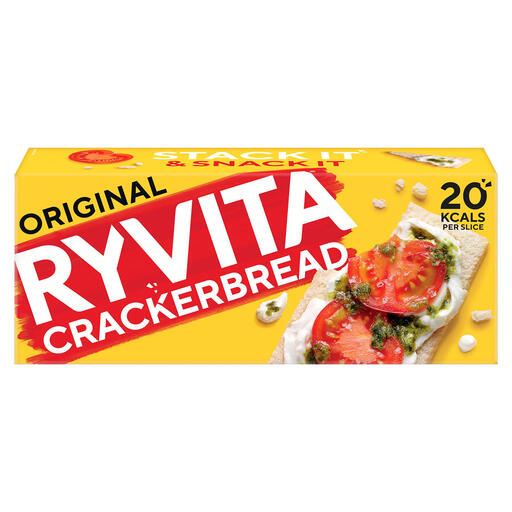
Why This Fits Their Persona: A versatile cupboard option for shoppers starting to build quick breakfasts, light lunches or simple snack plates.
The 200g pack provides a clear quantity for comparing value, while its plain profile avoids paying for elaborate flavouring when toppings are already available at home.
Plain wheat crackerbread with 1.5g fat and 0.3g saturates per 100g; suitable for customising with sweet or savoury toppings.

Why This Fits Their Persona: Suits shoppers looking for an organic wholegrain crispbread with cheese and seed texture for sharing or serving with soup and salad.
The listed ingredients and nutrition panel make the cheese, seeds and wholegrain base clear, helping you assess flavour, allergens and portion size before purchase.
Organic wholegrain wheat base, Emmental cheese and pumpkin seeds; 10g fibre and 18g protein per 100g. Contains wheat, milk, oats, barley and sesame.
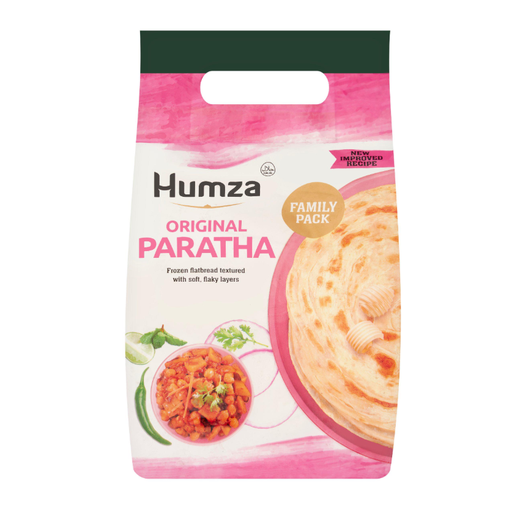
Why This Fits Their Persona: Designed for regular family meals, packed lunches and curry nights where several Indian flatbreads may be needed.
The approximately 20-piece pack makes the cost-per-piece easier to assess and avoids repeatedly buying small packs for larger households.
Frozen unleavened paratha, suitable for vegetarians and halal-certified; cooks from frozen on a dry griddle or tawa. Contains wheat and soya.
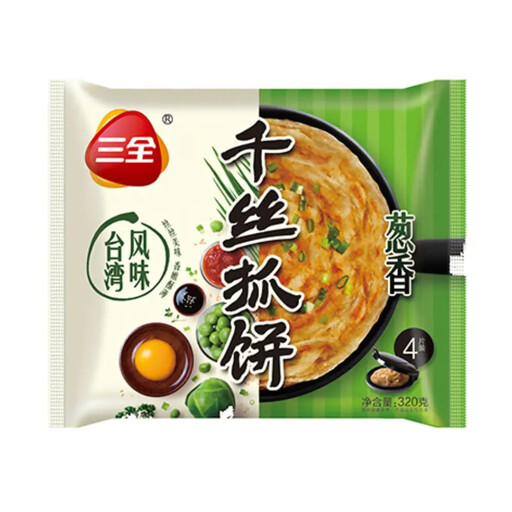
Why This Fits Their Persona: A freezer-friendly option for a hot breakfast, quick lunch or savoury snack when you want layered texture without making dough.
The cooking method is clearly stated: remove from packaging and pan-fry from frozen over medium heat, rather than requiring lengthy preparation.
320g pack with spring onion flavour and layered texture; suitable for cooking from frozen. Contains wheat and soya.
We have compiled a complete, real-time list of products that fully satisfy these strict selection criteria and UK safety regulations.
Keep ambient crispbreads in a cool, dry cupboard and reseal the pack or transfer the contents to an airtight container after opening. Moisture is the main cause of lost crunch.
Many frozen parathas and pancakes are designed to cook directly from frozen, but instructions vary by product. Humza paratha and Sanquan spring onion pancake provide cook-from-frozen guidance. Always follow the pack instructions and cook thoroughly.
Not automatically. Wheat, rye, barley and oats are common ingredients in crispbreads and crackerbread. Read the allergen declaration carefully and choose a product specifically labelled gluten-free if required.