
24/7 Customer Support

Free returns

Same-day & Next-day Delivery

Quality Guaranteed

Unlock Your Welcome Offers: FREE Delivery | Up to 80% OFF | Free 30-day JoyPlus trial
Download the APP
Choosing crisps and snacks can seem straightforward until you compare flavour claims, pack sizes, ingredients and storage instructions. A large bag may not offer better value if it goes stale before it is finished, while an appealing imported flavour may contain allergens or sweeteners that are easy to overlook.
This guide highlights common buying pitfalls and practical checks for selecting potato crisps, potato chips, biscuits and cookies, pretzels, dips and turkey jerky for everyday eating, lunchboxes, parties or sharing.
A sharing bag is not automatically the most economical choice. A 180g bag of tortilla chips may suit a film night, but several small packs can be more practical for lunchboxes or portion control. Multipacks also vary considerably: compare the total weight, number of individual packs and price per 100g rather than judging by the outer packaging.
For example, a 12-pack of 40g Pringles crisps offers individually sized portions, whereas a 165g tube is designed for opening and sharing over one or more occasions.
Words such as “bold”, “classic”, “light” or “natural” describe taste or presentation rather than the product’s nutritional profile. A seasoned snack can still contain substantial fat or salt, and a sweet-flavoured product may contain sweeteners.
Check the nutrition table per 100g and, where provided, per serving. Pringles Salt & Vinegar Potato Crisps list 1.9g of salt per 100g, while Penn State Original Sea Salted Pretzels list 3.5g per 100g. These figures make it easier to compare products across different categories.
Imported and flavoured snacks may contain ingredients that are not obvious from the front of the pack. Depending on the product, relevant allergens can include wheat, milk, soya, barley, sesame, celery, crustaceans and nuts.
Some Lay’s flavours contain aspartame or other sweeteners and state that they contain a source of phenylalanine. Always read the current packaging, particularly when buying for children, guests or anyone with an allergy or intolerance. Product details and formulations can change.
Match the format to the occasion:
Look beyond the flavour name. Potato crisps may be made from sliced potatoes or potato flakes, while stackable crisps are generally formed from dehydrated potato with wheat, corn or rice flour. This affects the texture and allergen profile.
For example, Pringles Original contains cereals containing gluten and may contain soya. Oreo Original Sandwich Biscuits contain wheat and soya and may contain milk. Penn State pretzels contain wheat and barley and may contain soya.
Use the per 100g figures to compare products fairly, then check the recommended serving size. A 30g serving of Pringles Texas Barbeque provides 156 kcal according to the supplied product information, while a 22g serving of Oreo Original provides 104 kcal. These are not direct substitutes, but the serving figures illustrate why portion size matters.
For family purchases, also consider whether the pack can be resealed. Tubes, twin packs and individual snack packs can help preserve texture, although all opened products should be stored according to the label.
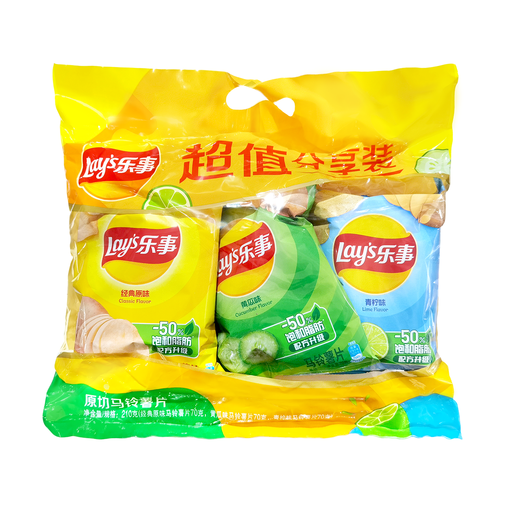
Why This Fits Their Persona: Three 70g bags offer flavour variety without committing to several separate purchases, making this a practical starting point for casual sharing or trying different potato chip flavours.
The total 210g weight and three separate packs make the quantity clear, rather than relying on an oversized outer presentation.
Includes original, cucumber and lime flavours; each bag is ready to eat and easier to store than one opened large bag.

Why This Fits Their Persona: A resealable tube and a distinctive barbecue seasoning suit shoppers looking for a more structured sharing snack for game nights, gatherings or relaxed evenings.
The 165g quantity, 30g nutrition serving and resealable container provide clearer expectations than vague “sharing” language.
Tube format helps protect the crisps; the product information lists milk and wheat allergens.
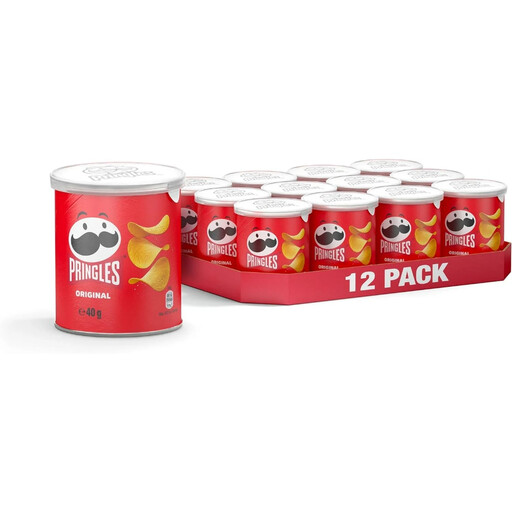
Why This Fits Their Persona: Individual 40g packs work for offices, school occasions, packed lunches and households that need ready-to-eat snacks without repeatedly opening a large bag.
Portion packs reduce the need to estimate servings from a large container and help limit exposure to air after opening.
12 individually packed portions; original flavour; each pack is 40g.

Why This Fits Their Persona: The sharing-size bag is suited to parties, film nights and informal gatherings where tortilla chips can be served alongside salsa or other dips.
The stated 180g net quantity makes it easier to plan the table, while the allergen note flags possible milk, soya, wheat and gluten.
Ready to eat; 180g sharing format; suitable for vegetarians according to the supplied product information.
We have compiled a complete, real-time list of products that fully satisfy these strict selection criteria and UK safety regulations.
Individual multipacks are often easier to portion and transport than opened sharing bags. Check the allergen declaration, pack size and any age-related choking warnings before including a product in a child’s lunchbox. Biscuits and cookies, pretzels and small potato crisps can all be considered, depending on household preferences and dietary requirements.
Keep unopened products in a cool, dry place and follow the packaging instructions. After opening, reseal bags or transfer contents to an airtight container where appropriate. Salsa dip usually requires refrigeration after opening, while jerky may have a shorter recommended consumption period once unsealed.
They may use different flavour combinations, ingredient formats and labelling conventions. Products sold to UK shoppers should be checked using the information on the current packaging, including allergens, nutrition, country of origin and responsible-person details. This is particularly important for Lay’s crisps, unusual potato chip flavours and other ready-to-eat snacks imported from overseas.