Crisps can be a savoury snack at a cycling stop, but a small packet should not be assumed to cover a carbohydrate-focused ride plan. A 2015 review in Ned Tijdschr Geneeskd, indexed by PubMed, cites 30–60 g of carbohydrate per hour for exercise lasting 1–2.5 hours; compare carbohydrate per packet with your plan, then check the portion size, salt and ingredients.
Who is this choice for?
Leisure cyclists wanting a savoury stop
A packet of crisps may fit a café stop, picnic or easy ride when you want a snack rather than food chosen to meet a specific carbohydrate plan. If opening the packet would distract you from riding, stop before eating.
Cyclists planning carbohydrate intake
For a longer or more intense session, compare carbohydrate per packet with the amount you intend to consume across the ride. The 2015 review indexed by PubMed cites 30–60 g per hour for exercise lasting 1–2.5 hours; a single small crisp packet may contribute only part of that amount.
Shoppers checking salt or dietary suitability
Salt, ingredients and allergen information need checking on the exact flavour and pack. A dietary label on one product does not establish that another flavour from the same brand has the same ingredients.
What should you check?
Start with the role the snack will play: a packet for a stop calls for different checks from food counted towards a ride-long carbohydrate plan.
| Priority | What to check | Your needs |
|---|
| Carbohydrate |
Read grams per packet, not just per 100 g. Compare the amount with your food and drink plan; the 2015 review in Ned Tijdschr Geneeskd cites 30–60 g per hour for exercise lasting 1–2.5 hours. |
For a demanding ride, I need to know what one packet contributes before counting it towards planned carbohydrate intake. |
| Portion and format |
Check the weight of an individual packet and the number of packets in a multipack. For a sharing bag, decide how much you intend to take or eat. |
A sealed small packet would be easier for me to portion at a stop; a sharing bag makes more sense if several people will eat it. |
| Salt |
Compare salt per packet or intended portion, especially when bag sizes differ. The NHS advises adults to have no more than 6 g of salt a day from all foods combined. |
I want to account for the salt in my snack without assuming a salty flavour tells me what to drink on the ride. |
| Fat |
Read fat per packet and check the exact basis of any lower-fat claim. A lower-fat label does not tell you how much carbohydrate the packet supplies. |
If fat content matters to my choice, I can compare like-sized portions while keeping my ride-fuelling decision separate. |
| Ingredients and allergens |
Check the current ingredients, emphasised allergens and any may-contain statement for the exact flavour. GOV.UK says specified allergens in prepacked food must be clearly labelled in the ingredients list. |
When I need a gluten-free or vegan product, or must avoid an allergen, I need information for the packet I am actually buying. |
Common mistakes
-
Treating one packet as the whole ride-fuelling plan
Walkers lists 16 g of carbohydrate in a typical 22 g Oven Baked Sea Salt packet, while Seabrook lists 16.7 g in a 31.8 g Sea Salted bag. Each is below the 30–60 g per hour cited by the 2015 review indexed by PubMed for exercise lasting 1–2.5 hours.
Count the packet’s carbohydrate alongside the rest of your planned food and drink if that guidance applies to your ride.
-
Judging salt by flavour
Walkers lists 0.19 g of salt per typical 22 g Oven Baked Sea Salt packet; Tyrrells lists 0.72 g per 40 g Sea Salt & Cider Vinegar packet. A flavour name alone cannot show the salt in the portion you will eat.
Read salt per packet or planned portion, and consider it alongside other food. Salt content by itself does not establish a hydration plan.
-
Assuming similar-looking flavours have the same allergens
Ingredients can change with the flavour. GOV.UK states that specified allergens in prepacked foods must be clearly labelled in the ingredients list.
Read the current ingredients and any may-contain statement on the exact packet rather than relying on another flavour’s label.
Brand and product-line references
These examples illustrate differences between particular products and formats; they do not describe every crisp made by each brand.
Walkers
The Oven Baked Sea Salt line is an example to examine if a smaller packet and a lower-fat comparison matter to you.
- Walkers states that Oven Baked Sea Salt has 50% less fat than regular potato crisps. The comparison belongs to this product, not the whole Walkers range.
- Walkers lists 16 g of carbohydrate per typical 22 g Oven Baked Sea Salt packet, so check how it fits your intended intake rather than treating the claim about fat as a fuelling claim.
Tyrrells
Individual and sharing formats call for different portion checks, even within a hand-cooked crisp range.
- Tyrrells lists 21.8 g of carbohydrate per 40 g Sea Salt & Cider Vinegar packet, a stated amount you can compare with your intended portion.
- That flavour lists 0.72 g of salt per 40 g packet. Check its current ingredients and allergen information if either matters to your choice.
KETTLE Chips
Lightly Salted is a hand-cooked crisp option for a planned stop or shared snack.
- KETTLE Chips labels its Lightly Salted product gluten-free and suitable for vegans and vegetarians.
- For a larger bag, read the nutrition panel against the portion you intend to eat; the bag’s total weight is not necessarily one serving.
Seabrook
Sea Salted offers an individual-bag example with stated carbohydrate and salt amounts.
- Seabrook lists 16.7 g of carbohydrate and 0.4 g of salt per 31.8 g Sea Salted bag.
- That carbohydrate amount is only part of the 30–60 g per hour cited by the 2015 review indexed by PubMed for exercise lasting 1–2.5 hours.
McCoy’s
A ridged crisp range in which the exact flavour matters when comparing nutrition and ingredients.
- McCoy’s lists 53 g of carbohydrate and 1.3 g of salt per 100 g for its Salted flavour; use the packet weight to assess your portion.
- Do not carry the Salted flavour’s details across to other flavours. Check the current pack, particularly where allergens matter.
REAL Hand Cooked Crisps
Sea Salt is a plain-flavour example for comparing a planned portion with the size of the bag.
- REAL Hand Cooked Crisps labels its Sea Salt product suitable for vegetarians and vegans.
- A 35 g packet and a 150 g sharing bag call for different portion decisions; check the exact pack before using its label in a ride plan.
Crisps and alternatives on Joybuy
These options include individual and multipack potato crisps, a sharing bag and cassava chips. Choose by the portion and type of snack you want, and check the exact pack label before counting it towards ride food.
 No image available
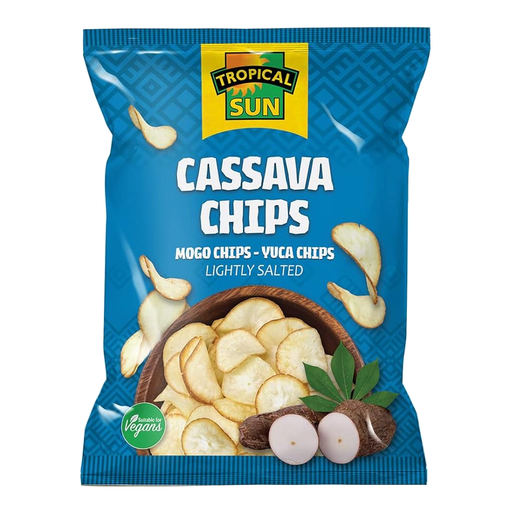
Tropical Sun Cassava Chips Lightly Salted 80g
An 80g cassava-chip alternative for a savoury stop rather than a potato crisp. Check the packet’s carbohydrate per portion and ingredients if either affects your choice.
 No image available
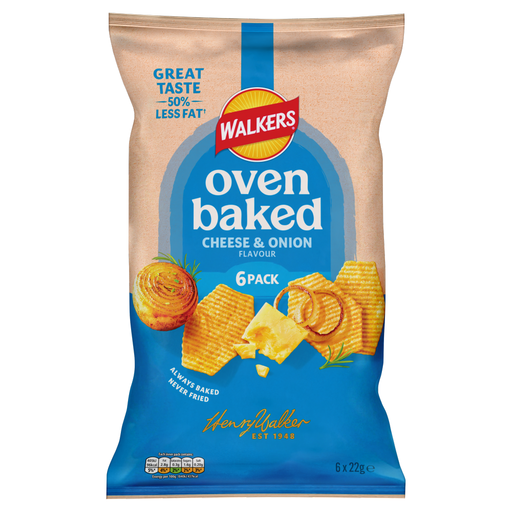
Walkers Oven Baked Cheese & Onion Crisps Flavour 6 x 22g
Six 22g packets offer separate portions for cycling stops. This is Cheese & Onion, not the Sea Salt product discussed above: check this flavour’s own nutrition and allergen label before using it in a ride plan.
 No image available
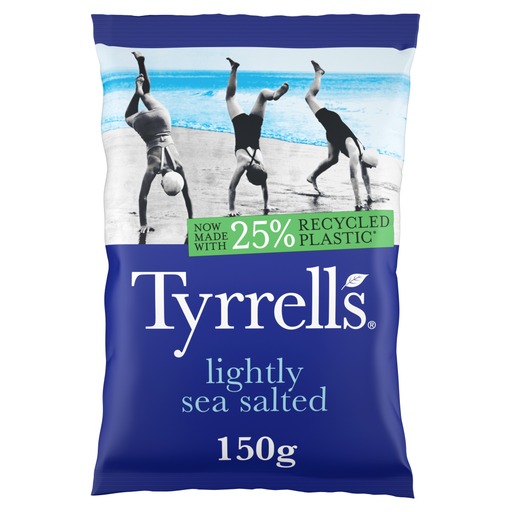
Tyrrells Hand-Cooked English Crisps Lightly Sea Salted 150g
A 150g sharing bag for a planned stop. Decide on a portion before comparing its nutrition label with smaller packets; the Sea Salt & Cider Vinegar figures above do not describe this flavour.
 No image available
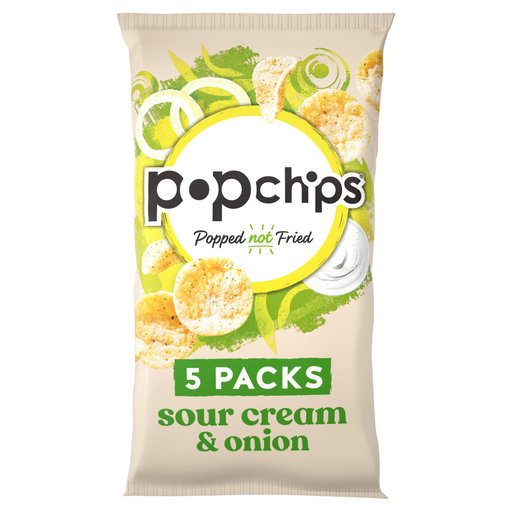
PopChips Sour Cream & Onion 5 x 17g
Five separate 17g packets make the intended snack portion clear. If carbohydrate intake or allergens affect your decision, check this flavour’s label rather than judging it by the multipack format.
 No image available
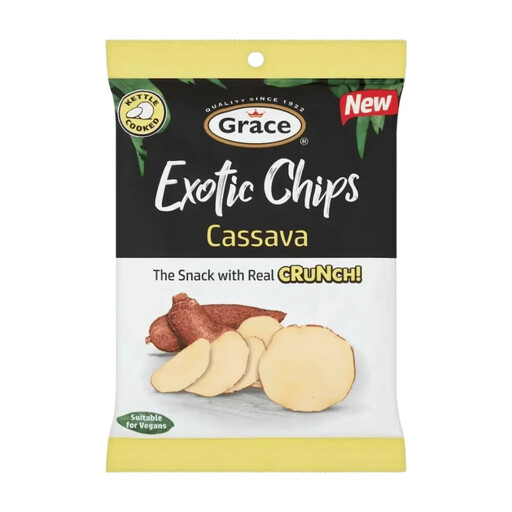
Grace Exotic Chips Cassava 75g
A 75g cassava-chip option if you want something other than potato crisps at a stop. Read the current packet for its ingredients and nutrition per intended portion before relying on it for dietary suitability or carbohydrate planning.
Questions about crisps for cycling
Can a packet of crisps be my main cycling fuel?
Do not rely on one small packet to meet a carbohydrate-focused plan without checking its label. A 2015 review in Ned Tijdschr Geneeskd, indexed by PubMed, cites 30–60 g of carbohydrate per hour for exercise lasting 1–2.5 hours; Walkers lists 16 g in a typical 22 g Oven Baked Sea Salt packet and Seabrook lists 16.7 g in a 31.8 g Sea Salted bag. Consider the packet alongside the rest of your planned food and drink.
Should I eat crisps while cycling?
Stop to eat if opening or handling a packet would distract you from traffic, terrain or bike control. British Cycling advises choosing a suitable stretch of road or trail when eating on the bike; the sensible choice depends on the conditions and your ability to handle food safely.
Does a salty packet replace a drink plan?
No substitution follows from the salt figure on a crisp packet alone: it does not tell you what fluid or other food your ride calls for. Read salt per portion and consider it with the rest of your food; the NHS advises adults to have no more than 6 g of salt a day.
How do I compare a multipack with a sharing bag?
Compare the total weight, the number of packets and the portion you would actually eat. Then read carbohydrate and salt for that portion. A 150 g sharing bag should not be treated as equivalent to one small multipack packet merely because each is sold as a single item.
What should I check for allergens?
Read the ingredients and any may-contain statement on the exact flavour and current pack. GOV.UK states that specified allergens in prepacked foods must be clearly labelled in the ingredients list; another flavour’s label cannot establish what is in the packet you choose.


