What should you check?
Start with the portion you would actually eat, then decide whether the bag is an ordinary snack or part of a fuelling plan you have practised.
A snack away from a run
Consider it when: You want a defined savoury portion alongside your wider meals.
Keep in mind: Bag sizes and salt figures differ, and the snack does not replace a meal.
Crisps around a long run
Consider it when: You have practised eating that food and portion during training and can account for its carbohydrate.
Keep in mind: A salted bag does not tell you how much to drink or whether it will feel comfortable while running.
Another carbohydrate food or drink
Consider it when: You want a way to consume carbohydrate during a run that you can practise and tolerate.
Keep in mind: No format suits everyone; check the amount supplied and practise your drinking plan too.
| Priority | What to check | Your needs |
|---|
| Whole-bag carbohydrate |
Compare the exact bag weight and its carbohydrate declaration. Walkers UK lists 13g per 25g of Ready Salted; Tyrrells lists 21.4g per 40g Lightly Sea Salted pack; Seabrook lists 16.7g per 31.8g Sea Salted bag. These are different portion sizes. |
I want to know what the bag I would eat contributes to my planned carbohydrate intake, rather than compare unequal portions as though they were the same size. |
| Timing and practicality |
Read fat alongside carbohydrate: Walkers UK lists 7.7g fat per 25g of Ready Salted, while Tyrrells lists 11.7g per 40g Lightly Sea Salted pack. If you intend to eat during a run, practise with the particular food and portion; London Marathon Events also advises checking what agrees with you. |
For a snack at rest, a defined portion may be enough for my purpose. During a long run, I need a fuelling choice I have practised eating while moving. |
| Salt and fluids |
Use the stated salt amount, not the flavour name. Tyrrells lists 0.26g per 40g Lightly Sea Salted pack; Seabrook lists 0.4g per 31.8g Sea Salted bag. Consider drinking separately from the choice of snack. |
I want to compare the salt in the portion I will eat without assuming that a salted flavour answers my hydration needs. |
| Ingredients and allergens |
Read the exact pack’s ingredients and precautionary statements before eating. Walkers UK says its Ready Salted product is made in a factory handling several other ingredients; Tyrrells says Lightly Sea Salted may contain milk. |
If an ingredient or possible cross-contact matters to me, I need the statement for this flavour and pack, not an assumption based on the brand. |
Which brands provide useful references?
These named product lines offer different portion sizes or nutrition declarations to compare; the figures do not apply to every flavour or format from a brand.
Walkers
Ready Salted provides a 25g reference portion for comparing smaller bags.
- Walkers UK lists 13g carbohydrate and 7.7g fat per 25g of Ready Salted.
- Check the exact pack’s precautionary statement if ingredients handled in the factory matter to you.
Tyrrells
Lightly Sea Salted has a manufacturer-described 40g single-serving pack.
- Tyrrells lists 21.4g carbohydrate, 11.7g fat and 0.26g salt per 40g pack.
- Its product information says “may contain milk”; check the pack if this affects your choice.
Kettle Chips
Lightly Salted provides a per-100g potato-crisp declaration for like-for-like label comparisons.
- Kettle Chips lists 53.7g carbohydrate, 29.5g fat and 0.7g salt per 100g.
- Check the weight of the exact bag before working out what that portion contains.
Seabrook
Sea Salted crisps and Sea Salted Crunchies show why product type and portion weight both matter.
- Seabrook lists 16.7g carbohydrate per 31.8g Sea Salted crisp bag and 12.6g per 18g Crunchies bag.
- Crunchies are a formed potato snack, not the same recipe or portion as the crisps.
McCoy's
Salted Flavour offers another named potato-crisp declaration on a per-100g basis.
- McCoy's lists 53g carbohydrate, 32g fat and 1.3g salt per 100g.
- Confirm the bag weight and read its “may contain” statement before making a portion or allergen decision.
Real Crisps
Sea Salt is offered by REAL Hand Cooked Crisps in a 35g bag as well as a 150g bag.
- The manufacturer lists 53.3g carbohydrate, 30.0g fat and 1.3g salt per 100g of Sea Salt.
- Use the 35g bag weight, rather than the larger format, when assessing an individual portion.
Joybuy options for a savoury snack
These individual-portion multipacks and potato snacks are options to consider as savoury snacks around training. Their inclusion does not establish that any one is suitable for eating during a run; check the exact pack and practise any food you intend to use for fuelling.
 No image available
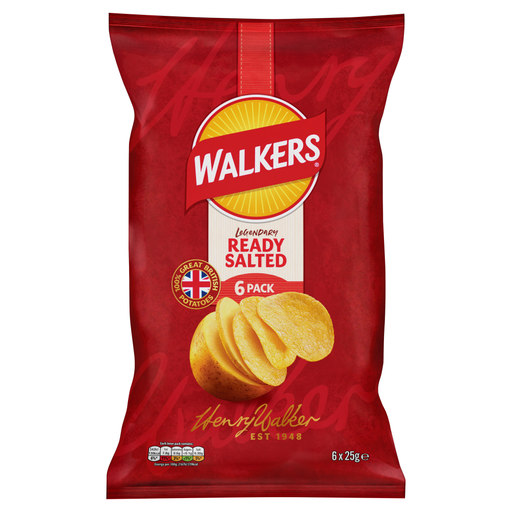
Walkers Ready Salted Crisps, 6 x 25g
The 25g inner-bag size gives you a defined portion for a savoury snack. Walkers UK lists 13g carbohydrate and 7.7g fat per 25g of Ready Salted; check the inner pack’s current label before using those figures in a fuelling plan.
View on Joybuy
 No image available
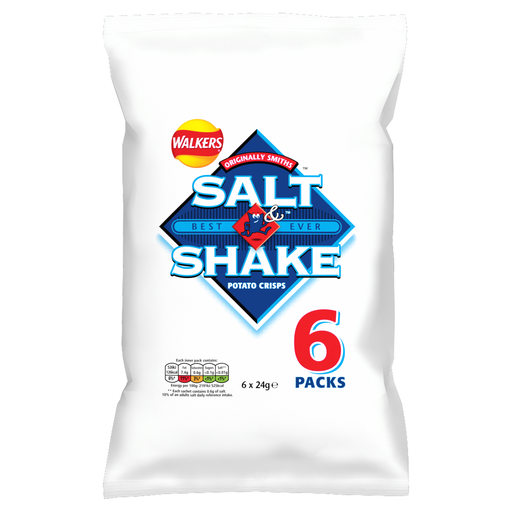
Walkers Salt & Shake Crisps, 6 x 24g
The listed 24g inner bags offer a defined snack portion. Check this Salt & Shake variant’s own nutrition and ingredient information rather than applying figures from Walkers Ready Salted.
View on Joybuy
 No image available
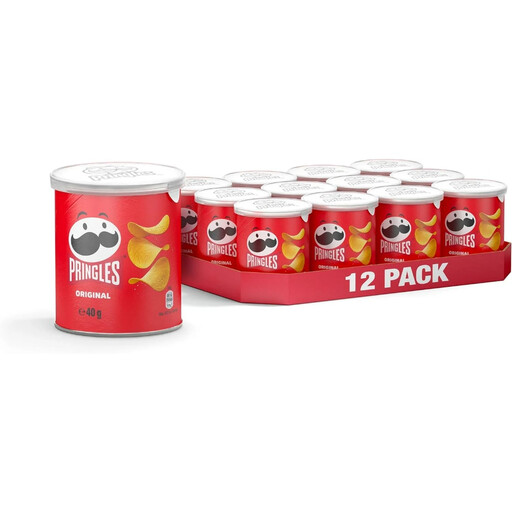
Pringles Original, 12 x 40g
The listed 40g portions offer a different snack size from the smaller Walkers bags. Read the Original variant’s per-portion nutrition and ingredients if you are considering it around a run.
View on Joybuy
 No image available
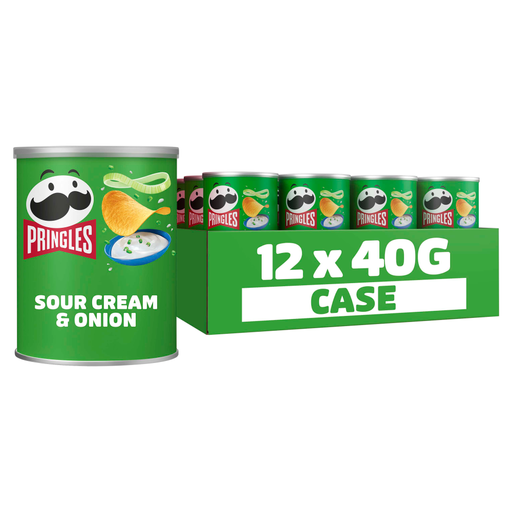
Pringles Sour Cream & Onion, 40g x 12
This flavoured option is listed in 40g portions for a planned savoury snack. Check the Sour Cream & Onion pack’s own ingredients and nutrition rather than assuming they match Pringles Original.
View on Joybuy
 No image available
Koikeya Karamucho Flat Potato Snack, 60g
This listed 60g potato-snack bag is a larger portion than the other individual packs shown here. Check its own nutrition and ingredients, and practise with the portion first if you are considering it during a run.
View on Joybuy
Common questions
Can a bag of crisps replace my long-run carbohydrate plan?
Do not assume that it can. Check the bag’s carbohydrate and practise eating it during training as part of your wider plan. For endurance exercise lasting 1–2.5 hours, the Australian Institute of Sport describes 30–60g carbohydrate per hour and advises athletes to practise a plan that suits their hydration needs and gut comfort; that range is not a prescription for every runner or duration.
What should I check if I have a food allergy?
Read the exact pack’s ingredients, highlighted allergens and any precautionary statement before eating. Walkers UK’s factory-handling statement for Ready Salted and Tyrrells’ “may contain milk” statement for Lightly Sea Salted illustrate why a salted flavour name is not enough.
Will a UK prepacked crisp bag have nutrition information?
UK government guidance says nutrition information is generally mandatory on prepacked food, subject to regulatory exemptions. The mandatory declaration includes energy, fat, saturates, carbohydrate, sugars, protein and salt, expressed per 100g or 100ml. If the pack also gives a per-portion figure, check that its stated portion matches the bag you intend to eat.


