
24/7 Customer Support

Free returns

Same-day & Next-day Delivery

Quality Guaranteed

Unlock Your Welcome Offers: FREE Delivery | Up to 80% OFF | Free 30-day JoyPlus trial
Download the APP
Crispy chilli can mean several different things: a spoonable crispy chilli oil, a crunchy chilli topping, a ready-to-eat snack or instant noodles with fried onion and chilli seasoning. That variety is useful, but it can also make shopping confusing. A product designed for drizzling over dumplings will not necessarily work as a lunchbox snack, while a large multipack may offer poor value if you only want to try a flavour.
Before choosing, look beyond phrases such as “authentic”, “bold” or “extra crunchy”. The ingredient list, allergen advice, storage instructions and intended use provide more reliable buying information.
A high chilli percentage does not automatically mean a more enjoyable condiment. Some products focus on chilli heat, while others balance spice with fried garlic, shallot, sesame, peanuts, citrus or umami seasoning.
Check whether you want:
For example, the Itsu Crispy Chilli Oil lists a heat level of 2 and includes fried garlic, spring onions, sunflower seeds and sesame seeds. By contrast, Huang Fei Hong Crispy Pepper contains 41% chilli and 36% peanuts, creating a more snack-focused combination of heat and crunch.
Multipacks can be practical for students, office cupboards, family sharing or regular noodle lunches. However, opened jars and bags may lose texture or freshness if they are not stored properly.
A 100g jar can be suitable for occasional meal topping, while the Itsu four-pack is more appropriate if you already use crispy chilli oil frequently. A 30-pack of HaoHao Chilli Crispy Onion instant noodles is designed for stocking up, but it may not suit shoppers who prefer occasional servings or have limited cupboard space.
Asian chilli condiments and snacks commonly contain soybeans, wheat, sesame, peanuts, fish or crustaceans. Recipes and allergen declarations can change, so read the packaging before purchase, particularly if buying for guests or a shared household.
Also distinguish ready-to-eat items from products requiring cooking. Mitsuba Thai Chilli Crispies can be eaten directly from the pack, whereas Hao Hao Chilli Crispy Onion noodles require boiling or soaking according to the pack instructions.
A good match depends on how you plan to use the product. Oil-based toppings spread easily across noodles, rice, dumplings, tofu and vegetables. Products containing fried garlic, onion or seeds add a noticeable crispy chilli topping texture.
Snack products are less suitable for stirring into hot dishes if their crunch is the main attraction. Mitsuba Thai Chilli Crispies are rice crackers intended for snacking or serving alongside soups, salads and Asian-inspired meals. Lao Gan Ma Spicy Crispy Oil Chilli, meanwhile, is designed to mix into rice and noodles or serve with dumplings, porridge and stir-fries.
Look at the named pepper, stated heat level and supporting ingredients. Jalapeño generally gives a different flavour profile from dried chilli, Sichuan pepper or cayenne. Citrus seasoning, such as in Laila Chilli & Lemon Grills, adds acidity and tang rather than simply increasing heat.
For a milder introduction, consider a product labelled mild or with a stated lower heat level. If you prefer a more textured, savoury option, check for peanuts, sesame, garlic, shallot or fish ingredients.
Compare net quantity, serving guidance and storage instructions rather than judging value by jar or bag size alone. Many crispy chilli products are energy-dense because they contain oil, fried ingredients or potato-based snacks. Nutrition panels can help you compare fat, saturates and salt per 100g.
After opening, follow the label carefully. Itsu Crispy Chilli Oil advises refrigeration and consumption within one month. Dry snacks should be resealed or transferred to an airtight container to help maintain their crunch. Check the best-before date on the packaging, especially when purchasing multipacks.

Why This Fits Their Persona: A manageable 100g jar gives first-time buyers a practical way to add crispy chilli oil to noodles, rice, dumplings and other everyday meals.
The stated heat level of 2 helps set expectations, while the ingredient list shows the texture comes from fried garlic, spring onions, seeds and sesame.
Heat level 2; includes fried garlic and seeds; suitable for drizzling over different dishes.
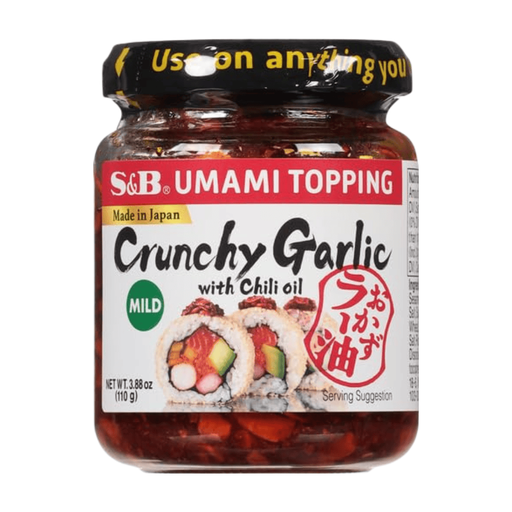
Why This Fits Their Persona: Suitable for shoppers seeking a Japanese-style topping with a combination of chilli oil, fried garlic and savoury umami seasoning.
The product is described as mild, so buyers can choose it for flavour and crunch without assuming it is a high-heat chilli sauce.
Contains 11.5% fried garlic and 12% chilli pepper; works with noodles, rice, dumplings, soups and stir-fries.
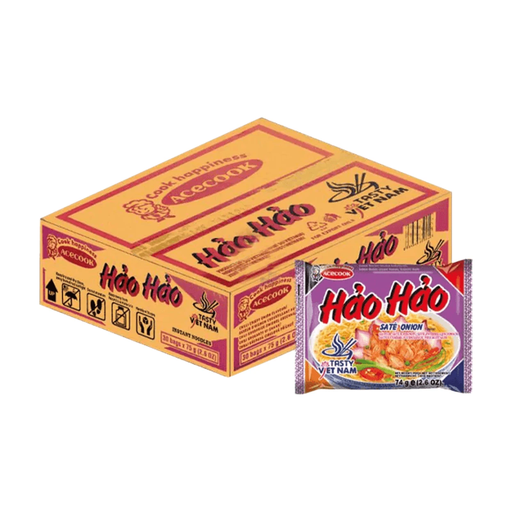
Why This Fits Their Persona: The 30-pack suits office kitchens, student cupboards, regular quick lunches and households that want a ready-to-prepare spicy meal option.
The pack format is clear, and preparation instructions specify boiling or soaking with hot water rather than presenting it as a ready-to-eat snack.
30 individual packs; chilli crispy onion flavour; preparation takes approximately three minutes according to the product information.
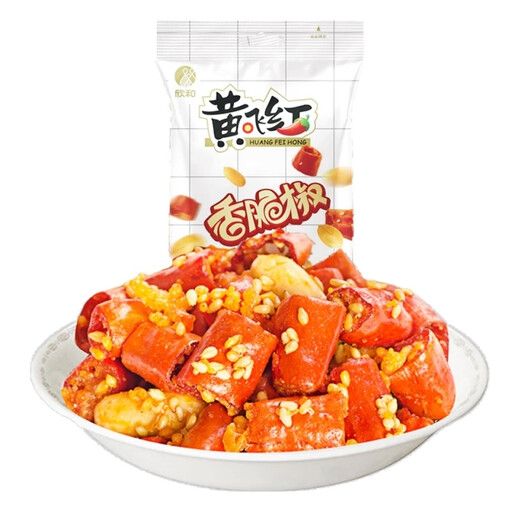
Why This Fits Their Persona: A ready-to-eat option for chilli enthusiasts who want a crunchy snack, noodle accompaniment or topping for rice, tofu and salads.
The quantitative ingredient declaration makes the chilli-and-peanut balance clear, helping shoppers distinguish it from an oil-heavy condiment.
Contains 41% chilli and 36% peanuts; ready to eat; suitable for snacks and meal toppings.
We have compiled a complete, real-time list of products that fully satisfy these strict selection criteria and UK safety regulations.
Follow the individual product label. Some oils, including the Itsu product listed above, advise refrigeration after opening and use within one month. Always use a clean utensil and keep the jar sealed to protect texture and freshness.
It depends on the product. Condiments such as crispy chilli oil, Lao Gan Ma Spicy Crispy Oil Chilli and some seafood chilli products are intended as toppings or seasonings. Mitsuba Thai Chilli Crispies and Huang Fei Hong Crispy Pepper are listed as ready-to-eat products. Instant noodles require cooking or soaking as directed.
There is no single suitable option for every allergy. Check the current packaging for legally required allergen information. Common ingredients in this category include wheat, soy, sesame, peanuts, fish and crustaceans. If cross-contact is a concern, contact the manufacturer before buying and do not rely solely on an online product description.