Hosts making filled croissant fakeaways
Choose croissant rolls when you want pastry to carry savoury fillings in a sandwich or brunch-style dish. Tesco describes St Pierre All Butter Croissant Rolls as intended for slicing and filling.


Choose sliced croissant loaf for repeatable, toastable portions with sweet or savoury toppings, and choose dedicated croissant rolls for individually filled sandwiches. Standard or ready-to-bake all-butter croissants suit a warm pastry side more than a stable sandwich base; Tesco, M&S and Waitrose product listings reviewed for this topic do not verify a “thick-cut” slice measurement.
Choose croissant rolls when you want pastry to carry savoury fillings in a sandwich or brunch-style dish. Tesco describes St Pierre All Butter Croissant Rolls as intended for slicing and filling.
A sliced croissant loaf suits a casual spread with several sweet or savoury toppings. Tesco describes St Pierre Croissant Loaf as sliced and suitable for toasting or savoury fillings.
Ready-to-bake croissants suit people who have freezer space and time to bake before serving, rather than those needing an immediate filled-sandwich route.
Start with the serving format, then check preparation requirements, portion size and the current allergen information for the exact pack.
| Priority | What to check | Your needs |
|---|---|---|
| Filling-friendly format | Look for wording that explicitly says the product can be sliced, filled or topped. Check whether it is a sliced loaf, a pre-formed roll or a whole pastry. | I want the pastry to hold the ingredients for my fakeaway dish, rather than relying on a whole croissant to work like a bread slice. |
| Preparation time | Check whether the product is ready to warm, needs a brief toast or grill, or is raw and requires baking. Confirm freezer storage requirements for frozen packs. | I need a format that fits the time I have before serving, whether that means quick warming or baking pastry from frozen. |
| Allergens | Read the current ingredient list and allergen statement for the exact item. Check may-contain information as well as named ingredients. | I need to account for wheat or gluten, milk, egg, nuts and other stated allergens before serving guests. |
| Portion format | Compare the number and size of portions, not only the pack format. Tesco lists St Pierre Croissant Loaf slices at approximately 38 g, while its croissant rolls are 75 g each. | I want portions that match the fillings and sides on the table, whether that means smaller topped slices or one filled roll per person. |
Whole croissants, sliced croissant loaf and purpose-made croissant rolls are different formats. A flaky whole pastry can be less convenient for substantial fillings, and the reviewed listings do not verify a physical thick-cut slice measurement.
For sandwiches, choose a listing that explicitly says the product can be sliced and filled. For a topping spread, choose a sliced loaf and check the pack for the portion size that suits you.
Ingredient lists and may-contain warnings vary between products. Wheat or gluten, milk and egg are common in the reviewed ranges, while some packs also state possible traces of nuts or other allergens.
Check the current pack label or the retailer’s allergen information for the exact item and store. Do not rely on an older listing or a label from another retailer.
The reviewed M&S frozen all-butter croissants are raw, require baking and need frozen storage. They are not interchangeable with a ready-to-eat bakery pack.
Choose frozen ready-to-bake croissants only when you have enough freezer space and oven time; otherwise select a fresh croissant, croissant roll or sliced loaf that fits your preparation plan.
A two-roll pack, a four-croissant pack and a sliced loaf can provide very different serving formats. Tesco lists the croissant loaf as 380 g with around ten servings, while its croissant rolls are supplied as two 75 g portions.
Compare the number and size of portions you will serve, then consider fillings and likely waste instead of comparing packs only by their displayed price.
Different formats can leave you with more or fewer usable portions for the fakeaway meal.
A directly relevant option for shoppers choosing between a sliced croissant loaf for toppings and croissant rolls for slicing and filling.
Relevant when choosing between fresh all-butter croissants, frozen ready-to-bake pastries and alternative recipe formats.
A Tesco own-label all-butter croissant route for shoppers who want standard whole pastries.
A two-croissant option for serving warm pastry alongside a fakeaway meal.
A store-bakery all-butter croissant route for shoppers able to check local in-store availability.
Joybuy product options for an oven-first fakeaway night, where freshly baked croissants matter more than a pre-sliced or filling-specific format.
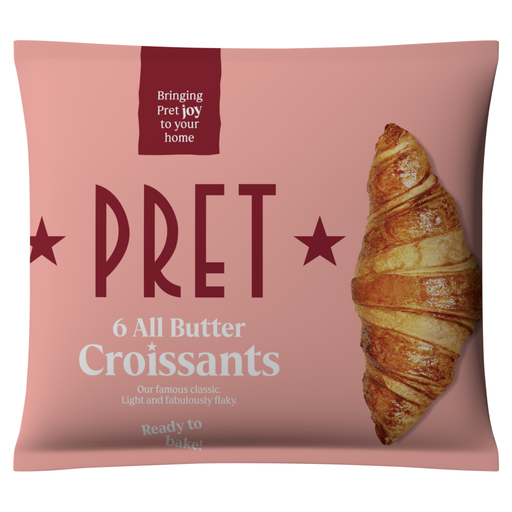 No image available
Consider this option when you can bake croissants from frozen for a warm pastry serving rather than needing a ready-made sandwich base.
Stated details include 24% butter, 27 folds and baking from frozen in 20 minutes. Store at -18°C or below; do not refreeze after thawing or reheat after cooling. Contains wheat, gluten, milk and egg, and may contain nuts, sesame and soya.
No reviewed product listing verifies a croissant slice thickness. Tesco lists St Pierre Croissant Loaf as sliced and gives an approximate slice weight of 38 g, so choose it for pre-sliced, toastable portions rather than assuming it is thick cut.
Dedicated croissant rolls are the clearest option for individual filled portions. Tesco describes St Pierre All Butter Croissant Rolls as a base for a breakfast sandwich or brunch creation and says they can be sliced and filled; choose a croissant loaf instead for several smaller topped portions.
No. M&S describes its frozen all-butter croissants as raw and says they must be baked. Keep them frozen at -18°C and do not refreeze after thawing.
Read the current ingredient list and allergen statement for packaged products. Food Standards Scotland states that food businesses must provide information on the 14 regulated allergens, with the method depending on how food is packaged and sold; reviewed croissant products commonly contain wheat or gluten, milk and egg, while may-contain warnings vary by item.