One-person first-shop households
Individual croissants and two-packs are the most relevant formats when you want a breakfast pastry without opening a large pack. Frozen portions can suit you if you have freezer and oven access.


For one breakfast or an immediate snack, an individual croissant or a two-pack avoids opening more fresh pastry than a smaller household is likely to use. Choose a four-pack when two people expect another serving occasion, or choose frozen ready-to-bake croissants if you have freezer space and are happy to bake portions as needed.
Individual croissants and two-packs are the most relevant formats when you want a breakfast pastry without opening a large pack. Frozen portions can suit you if you have freezer and oven access.
A two-pack is straightforward for one shared breakfast. A four-pack can work when both people expect a second serving occasion and will use the pastries promptly.
Frozen ready-to-bake croissants let you plan servings across separate occasions, but they need freezer space and baking time.
Start with the number of servings you realistically expect to use, then compare the format, preparation and ingredient information for the exact product.
| Priority | What to check | Your needs |
|---|---|---|
| Pack quantity | Compare individual, two-pack and larger multipack formats. Check how many breakfasts or snack occasions the pack will cover. | I only want to open as many fresh croissants as my household is likely to eat. |
| Fresh or frozen | Fresh croissants are ready to eat, while frozen ready-to-bake products need freezer storage and an oven. Follow the instructions on the exact pack. | I need a pastry now, or I would rather keep portions for later baking. |
| Ingredients and allergens | Read the current ingredient and allergen information for the exact flavour and format. Loose bakery items may provide this information differently from prepacked packs. | I need to confirm the ingredients rather than assuming every plain croissant is the same. |
| Basket cost and value | Compare the current shelf price and, where shown, the per-item price. A larger pack is only useful value when the household will use the full quantity. | I want to keep the first grocery basket manageable without buying pastry that may be left over. |
A larger pack can cost less per pastry but still be a poor fit if extra fresh croissants will not be used.
Plan the number of breakfasts or snack occasions first. Buy one or two pastries for an uncertain first shop, then move to a four-pack when you know it will be used.
Examples from Waitrose and Lidl list wheat, milk and egg, while some products may also carry trace-allergen information.
Check the current exact-pack label or ask for current loose-bakery allergen information whenever you change retailer, flavour or format.
Frozen croissants offer flexible timing, but they need freezer storage, baking equipment and enough time to prepare them.
Choose frozen products only if you can store and bake them as directed. Read the storage and cooking instructions on the exact pack before adding it to a first shop.
M&S offers fresh all-butter croissants and frozen ready-to-bake all-butter croissants for households that want to bake portions on different occasions.
Tesco Finest is a premium own-label four-pack of all-butter croissants, described by Tesco as using butter churned in France.
Sainsbury's offers fresh all-butter croissants in two- and four-packs, plus frozen ready-to-bake six-packs.
Waitrose has individual bakery croissants, a standard four-pack and a two-pack in its No.1 range.
Asda has listed Bake From Frozen All Butter Croissants, making frozen storage a possible route for shoppers who prefer to bake when needed.
Lidl offers an individual All Butter Croissant through its bakery range, which can suit a single immediate serving.
These Joybuy options cover frozen croissants for households with freezer space and oven access, including plain butter, chocolate-filled and almond-filled varieties.
 No image available
A frozen option for a small household that wants to bake croissants when needed rather than open a fresh multipack.
Stated 20-minute bake-from-frozen preparation. Contains wheat, gluten, milk and egg; may contain nuts, sesame and soya.
Requires freezer storage at -18°C or cooler and oven preparation.
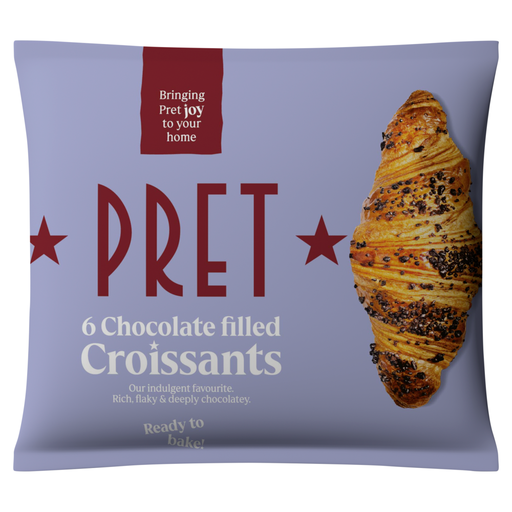 No image available
A six-pack frozen choice for a household planning baked chocolate croissants across separate occasions.
Chocolate-filled and topped croissants with a stated 22-minute oven bake. Contains wheat, gluten, milk, egg and soya.
This is a flavoured alternative rather than a like-for-like plain all-butter croissant.
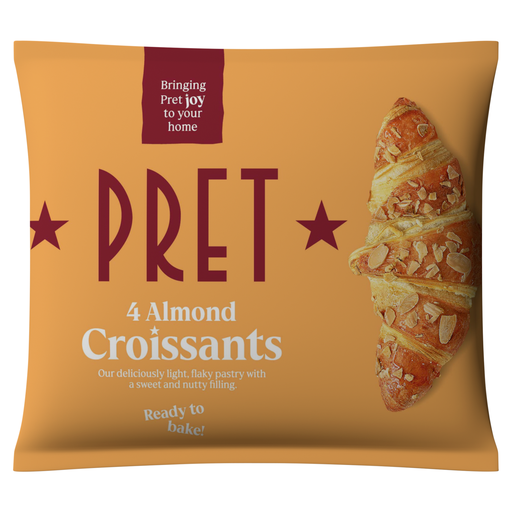 No image available
A frozen almond-flavoured option for households that can store pastries for a planned baked serving.
Made with almond filling and flaked almonds. Contains wheat, gluten, milk, egg and almonds; may contain other nuts, sesame and soya.
Check the exact pack for cooking directions and pack quantity before purchase.
Start with an individual croissant for one immediate serving, or a two-pack if you expect to eat the second croissant soon. A four-pack may cost less per pastry, but it is only useful value if you will use all four.
They can be suitable when you have freezer space and an oven. Frozen ready-to-bake products let you prepare croissants on separate occasions, but they need cooking time and the storage instructions must be followed; Sainsbury's says its frozen croissants should not be refrozen once defrosted.
Some can. Sainsbury's says its All Butter Croissants x4 are ready to eat but may be heated for 4 minutes in an oven at 180°C, fan 160°C or gas mark 4, or for 3 minutes in an air fryer at 150°C. Follow the instructions on your exact pack.
Often, yes. Waitrose lists wheat, milk and egg for its individual All Butter Croissant, and Lidl lists milk, wheat and egg for its All Butter Croissant. Check the current packaging or retailer allergen information for the exact item.
Ask for or check the retailer's current allergen information before buying. Food Standards Agency guidance explains that allergen-information rules differ for prepacked and non-prepacked food, so the information format may differ between a packaged multipack and a loose bakery item.