One-person late-night snackers
An individual croissant from Waitrose or Lidl is the closest fit when you want a light supper without opening a larger bakery multipack.


For a late-night supper for one or two, an individually sold croissant or a two-pack is usually the most practical format because it avoids opening a larger pack. Choose frozen bake-at-home croissants only when you have an oven, freezer space and time to cook them; always check the current label for allergens, storage instructions and date marking.
An individual croissant from Waitrose or Lidl is the closest fit when you want a light supper without opening a larger bakery multipack.
Sainsbury's All Butter Croissants x2 and Waitrose No.1 2 Butter Croissants are relevant formats when two portions with minimal leftovers are the priority.
Frozen croissants suit shoppers who can cook rather than eat immediately and can keep the product frozen until baking.
Start with the number of diners and how soon you want to eat, then check the label for storage, date and allergen information.
| Priority | What to check | Your needs |
|---|---|---|
| Portion size | Look for an individual item or a two-pack. Consider four-, six- and eight-packs only if you can share, use or freeze the remainder as the label permits. | I want one or two croissants without having several pastries left to store. |
| Ready now or bake later | Ready-to-eat bakery and packaged croissants have no stated cooking step. Frozen raw croissants need oven cooking; the Pret Butter Croissants listing states 20 minutes from frozen. | I need to decide whether immediate food matters more than a warm croissant from the oven. |
| Allergens | Read the exact current label for wheat or gluten, milk and egg, plus any precautionary statements. Do not rely on an unfilled appearance or an older listing. | I need a croissant that fits the allergy or dietary requirements in my household. |
| Storage and dates | Check whether the pack has a use-by or best-before date and follow its storage directions. GOV.UK explains that use-by dates relate to safety, while best-before dates relate to quality. | If I save part of a pack, I need to know how to store it and when it should be used. |
Four-, six- and eight-packs can leave a one- or two-person household with pastries to store, even where the per-item price appears lower.
For an unplanned late supper, start with a single item or two-pack. Choose a larger pack only when you can share it, use it soon or freeze it exactly as the label allows.
Frozen options require safe frozen storage and oven cooking. M&S describes its ready-to-bake croissants as raw, while Joybuy lists a 20-minute bake time for Pret Butter Croissants.
Choose a ready-to-eat bakery or packaged croissant for an immediate supper, and reserve frozen products for a planned meal with enough preparation time.
Verified croissant listings declare allergens including wheat or gluten, milk and egg, and some also include precautionary statements for other allergens.
Check the physical pack label, including precautionary statements, before purchase and consumption.
A displayed price may depend on a Nectar or Clubcard offer, while Lidl asks shoppers to select a store for price information.
Compare the applicable price, pack count and local stock before deciding which option offers better value for your supper.
Store-specific availability can also affect whether an individual bakery croissant is practical for a late-night purchase.
A premium supermarket option with packaged all-butter croissants, individual bakery croissants, wheat-free variants and frozen ready-to-bake formats.
Tesco's premium own-label route includes a four-pack of all-butter croissants.
A broad own-label range with All Butter Croissants x2, plus four-, six- and eight-pack formats.
A premium-focused range with an individual all-butter croissant, No.1 two-croissant packs and larger packs.
An accessible supermarket option with an Asda Bake From Frozen All Butter Croissants product page.
An in-store bakery route with an individual All Butter Croissant for shoppers buying one portion.
These Joybuy options are frozen bake-at-home croissants for planned late-night suppers where an oven and freezer space are available.
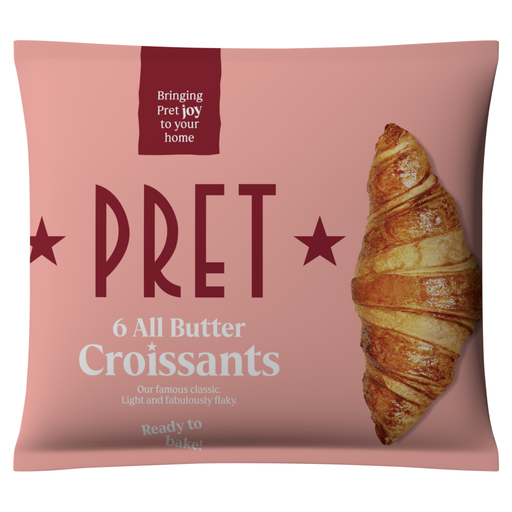 No image available
A planned warm-pastry option when immediate eating is not required.
Bakes from frozen in 20 minutes and should be kept at -18°C or cooler. Contains wheat/gluten, milk and egg; check the current label for allergy information. Confirm the pack count before buying for one or two diners.
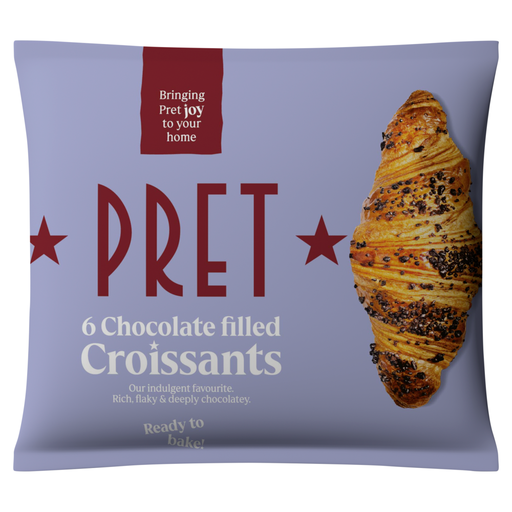 No image available
A frozen option for a planned supper when you want chocolate-filled croissants and can use or store a six-croissant pack.
Oven cooking from frozen is stated as 22 minutes, with frozen storage at -18°C or cooler. Contains wheat, gluten, milk, egg and soya; it is not suitable for nut and sesame allergy sufferers.
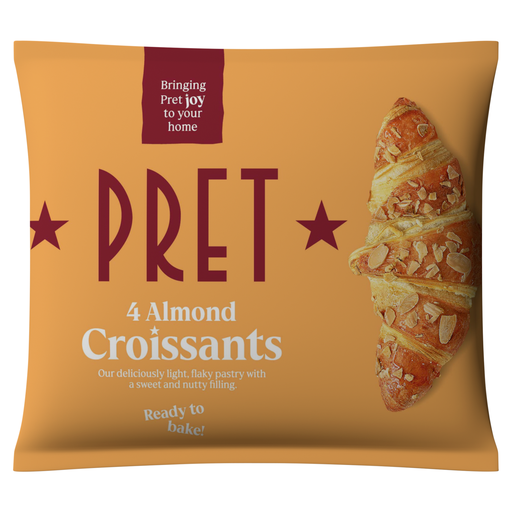 No image available
A frozen almond-filled pastry for a planned warm supper when an oven and freezer space are available.
Keep frozen at -18°C or cooler and bake from frozen. Contains wheat, gluten, milk, egg and almonds, and may contain other nuts, sesame and soya. Confirm the pack count and cooking instructions before buying.
No. For a small-household croissant purchase, a single croissant or a two-pack is the practical equivalent. Sainsbury's and Waitrose list two-packs, while Waitrose and Lidl list individual croissants.
Choose ready-to-eat croissants when you need food immediately. Choose frozen bake-at-home croissants when you can cook them: M&S states that its ready-to-bake croissants are raw and must be baked, while Joybuy's Pret Butter Croissants state a 20-minute bake time.
Follow the instructions on the exact pack. M&S says its 160 g all-butter croissants can be frozen by the date mark and used within three months; keep to the product's freezing and defrosting instructions.
Check whether the pack says “use by” or “best before”. GOV.UK states that use-by dates concern safety, while best-before dates concern quality; follow the storage instructions on that product rather than applying one rule to every croissant.
Do not assume they are. Current listings show that butter croissants commonly contain wheat or gluten, milk and egg, and some carry precautionary statements for nuts, sesame, soya or other allergens. Read the current physical label before purchase and consumption.