Parents choosing an occasional pastry treat
For households that want a convenient premium-style croissant after school while keeping it separate from the child’s usual snack routine.


Choose a ready-to-eat premium butter croissant for an occasional convenient treat, provided the current pack suits the child’s dietary needs and school rules. For most after-school snacks, NHS Healthier Families guidance prioritises fruit and vegetables and identifies pastries as foods high in saturated fat; frozen bake-at-home croissants are better for planned warm serving than an immediate snack.
For households that want a convenient premium-style croissant after school while keeping it separate from the child’s usual snack routine.
For families who need to check wheat or gluten, milk, egg, nuts, sesame, soya and other allergen information on the current pack before serving or packing a croissant.
For households with freezer space and an oven that would rather bake croissants at home than serve an immediately ready snack.
Start with allergy suitability and serving time, then compare the current nutrition label and pack format for the occasion.
| Priority | What to check | Your needs |
|---|---|---|
| Allergen suitability | Read the current ingredients and allergen panel; check wheat or gluten, milk and egg; review any may-contain statement for nuts, sesame, soya or other allergens. | I need a croissant that fits the child’s allergy plan and the school’s food rules, not just a recipe that appears suitable online. |
| Occasional treat or routine snack | Compare saturates per croissant or per 100 g, serving size and front-of-pack traffic-light information where shown; do not treat an all-butter recipe as a nutrition claim. | I want to keep buttery pastries for occasional enjoyment and choose everyday snack options with the wider routine in mind. |
| Serving format | Check whether the croissant is ready to eat, can be warmed, or needs frozen storage and oven time; allow time for baked food to cool before serving. | I need something usable after school: either ready straight away or suitable for a planned warm snack at home. |
French butter or a premium range can describe flavour and recipe style, but it does not reduce saturated fat. The researched Waitrose No.1 and Sainsbury’s Taste the Difference croissants each list around 10 g of saturates per croissant; NHS Healthier Families identifies pastries as foods high in saturated fat.
Keep croissants for occasional treats and make fruit, vegetables and other lower-fat, lower-sugar options the usual after-school choices.
The standard croissants considered here contain wheat or gluten, milk and egg, while some also carry precautionary statements for nuts, sesame, soya or other allergens. A school policy or individual allergy plan may be stricter than the ingredient list alone.
Read the current pack before each purchase and serve only products that meet the child’s dietary requirements and school rules.
Fresh supermarket croissants may be ready to eat, whereas bake-at-home products need frozen storage, oven time and cooling before serving. Choosing the wrong format can leave no snack ready when time is short.
Choose a ready-to-eat option for immediate after-school eating, and reserve frozen bake-at-home croissants for days when freezer space and oven time are available.
A premium own-label two-pack for a smaller serving occasion, prepared in France with French-churned butter and French flour.
A premium-tier all-butter four-pack focused on laminated dough and French-churned butter.
A premium own-label all-butter four-pack that is ready to eat and can also be warmed.
An all-butter croissant pack positioned by M&S as an authentic-recipe pastry to enjoy warm.
An in-store single all-butter croissant option for one-off purchases rather than a premium own-label multipack.
A bake-from-frozen all-butter croissant option for households considering a preparation-format alternative to fresh pastries.
Joybuy product options for planned warm after-school serving, rather than an immediate snack at the school gate.
 No image available
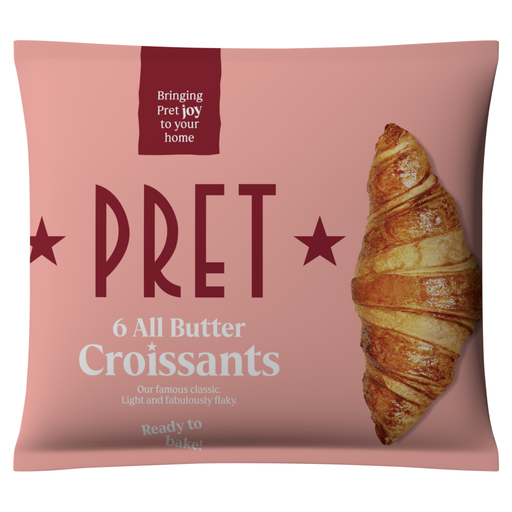
A frozen option for households with an oven, freezer capacity and time for a planned warm croissant after school.
24% French-sourced butter; frozen storage; stated 20-minute bake from frozen.
Contains wheat or gluten, milk and egg, and may contain nuts, sesame and soya. The listing states 15 g saturates per 100 g once baked; check the current pack and suitability for the child’s allergy plan or school policy.
Usually, treat them as an occasional pastry rather than the default daily choice. NHS Healthier Families recommends fruit and vegetables as the preferred snack choice for children and identifies pastries as foods high in saturated fat; the researched Waitrose No.1 and Sainsbury’s Taste the Difference croissants list around 10 g saturates per croissant.
Check the current pack for wheat or gluten, milk and egg at minimum. Also review the precautionary allergen statement: the Lidl product lists possible traces including nuts, sesame and soya, while Waitrose No.1 may contain nuts. Follow the school’s food policy and the child’s individual allergy plan.
No. All butter describes the recipe and is relevant to flavour and texture, but it does not make a pastry lower in saturated fat. Compare the nutrition panel and serving size instead of treating butter percentage, French butter or a premium range name as a health claim.
Only if there is enough preparation time. The Joybuy Pret A Manger Butter Croissants are stored frozen and stated to take 20 minutes to bake from frozen, so they suit planned warm serving rather than an immediate snack after collection.
No. Use online information to shortlist products, then read the physical pack every time you buy. The Food Standards Agency requires allergen information from food businesses, but recipes and precautionary statements can change, so the pack being served is the relevant one to check.