Families needing an immediate shared snack
Choose a ready-to-eat multipack that can be served straight from the pack or warmed briefly, with the pack count clearly shown for planning.


For an immediate, shareable after-school snack, a ready-to-eat multipack is usually the practical choice; compare pack size and the current allergen label. Frozen croissants suit households that can allow for oven time and cooling, while a specifically gluten-free option is relevant only where that dietary requirement applies.
Choose a ready-to-eat multipack that can be served straight from the pack or warmed briefly, with the pack count clearly shown for planning.
Frozen croissants can fit when you have freezer storage, an oven and roughly 15–20 minutes plus cooling time before serving.
Distinguish a specifically gluten-free product from standard wheat-based croissants, and check the current allergen statement for milk, egg and precautionary warnings.
Start with when the snack is needed, then check the exact pack’s allergens and whether its format works for the number of people eating.
| Priority | What to check | Your needs |
|---|---|---|
| Allergen and school-policy fit | Check whether the exact product is labelled gluten free where needed. Read the current ingredients and allergen statement, including milk, egg and precautionary warnings. Confirm the school’s packed-snack policy before packing it. | I need to know whether this exact croissant works for the child and for the school’s food-allergy rules. |
| Serving time | Ready-to-eat croissants can be served without baking or warmed briefly. Frozen examples require oven cooking from frozen and cooling; retailer instructions for comparable products range from about 15 to 20 minutes. | I need a snack that matches the time available after school, whether that means immediate serving or a warm bake. |
| Pack planning | Check the number of croissants in the pack and whether the format is ready to eat or frozen. Compare like with like when deciding how well a pack fits a shared snack. | I want enough croissants for the people eating without choosing a format that creates unnecessary preparation. |
Standard products can also list milk and egg, while some packs include nut, sesame, soya or manufacturing-method warnings.
Read the current label for the exact pack and do not use a standard croissant as a substitute for one specifically labelled gluten free or selected for an allergy requirement.
Frozen examples require around 15–20 minutes of oven cooking from frozen, followed by cooling, unlike ready-to-eat croissants.
Keep frozen croissants for days when preparation time is available; choose ready-to-eat multipacks for an unplanned school-run snack.
Retailer nutrition panels use adult reference-intake bases, and croissant size can vary between products.
Use per-croissant nutrition information to compare products, then consider serving size in the context of the child’s overall snack and dietary needs.
Offers a standard ready-to-eat all-butter multipack, frozen ready-to-bake croissants and a separate Taste the Difference gluten-free all-butter option.
A four-pack all-butter option for shoppers looking for a smaller ready-to-eat pack with a stated French-churned-butter recipe and flaky layers.
Provides standard all-butter croissants, a reduced-fat all-butter variant and a Made Without Wheat gluten-free option.
Offers ready-to-eat four-packs and frozen eight-packs for households choosing between immediate serving and oven-baked croissants.
An in-store bakery all-butter croissant option with store-specific product information.
These Joybuy options are frozen croissants for households planning a warm after-school snack with oven time and cooling time available.
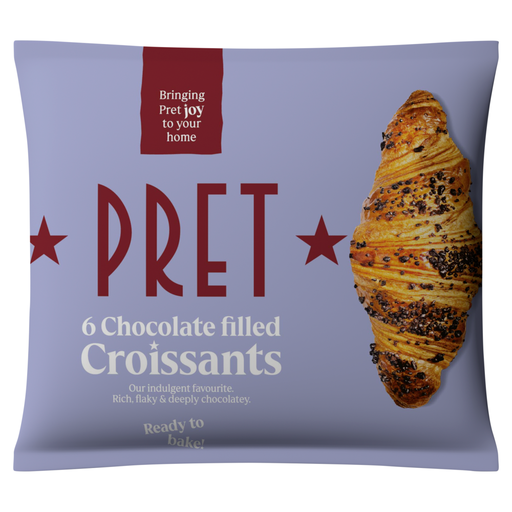 No image available
A six-croissant frozen option for a planned warm snack rather than immediate serving.
Requires 22 minutes of oven cooking from frozen and cooling before serving. Contains wheat or gluten, milk, egg and soya; the listing also states it is not suitable for nut or sesame allergy sufferers.
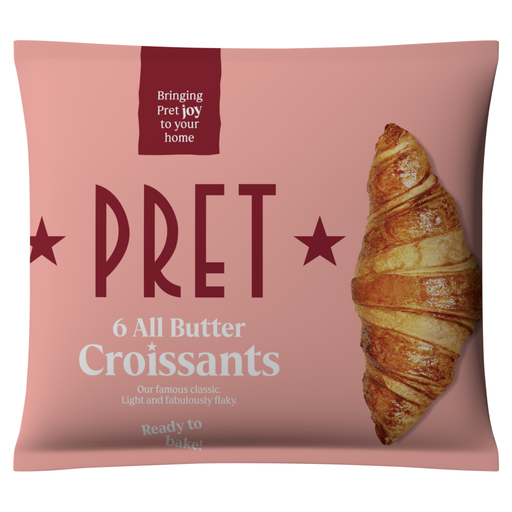 No image available
A frozen all-butter option for households that can plan a warm snack after school.
The listing states a 20-minute bake-from-frozen method and 24% butter. Contains wheat or gluten, milk and egg, and may contain nuts, sesame and soya.
No. The standard products considered here contain wheat or gluten. Choose a product explicitly labelled gluten free only where it meets the individual dietary requirement, then check the current pack because gluten-free croissants can still contain milk and egg.
School Food Standards apply to food and drink provided to pupils on school premises, according to the Department for Education. They do not replace a school’s own allergy-safety or packed-snack rules for food brought from home, so check the individual school policy before packing a croissant.
A clearly labelled prepacked pack can be easier to assess. Lidl states that it cannot guarantee other allergens are not present in loose bakery products, while Waitrose advises people affected by allergy or intolerance to select prepacked ranges with allergen information on the packaging.
They are not an instant option. Waitrose gives an 18–20 minute oven time from frozen for its example, while Sainsbury’s gives a 15–20 minute range; both require cooling before eating.