Who this is for

Hosts serving a mixed group of older guests

Choose croissants that can be portioned and warmed without complicating service, while checking individual dietary needs before selecting one pack. Tesco Finest and Sainsbury’s four-packs include warming instructions, and Tesco states that its pack can also be frozen.

Hosts accommodating coeliac guests

A separately identified gluten-free option is needed rather than assuming an ordinary buttery croissant will suit. Sainsbury’s Taste the Difference Free From croissants are labelled gluten-free and suitable for coeliacs, but they still contain milk and egg.

Hosts limiting saturated fat at tea

Compare nutrition panels on a like-for-like basis, particularly saturates per 100g and the actual croissant portion. M&S states that its reduced-fat all-butter croissants contain 30% less fat than its standard all-butter croissants.

Buying priorities

Check dietary suitability first, then choose a pack size and heating method that fit the number of guests and the time available for serving.

Priority What to check Your needs
Allergen and gluten suitability Read the current ingredient and allergen label; check wheat or gluten, milk, egg, nuts and any trace warnings. Use a clearly labelled gluten-free product only where it meets the guest’s other dietary requirements. I need to avoid serving an unsuitable pastry to someone with coeliac disease or an allergy. A gluten-free croissant can still contain milk and egg, so it is not a universal substitute.
Saturated fat and portion size Compare saturates per 100g between similar products, then look at the portion size. The NHS advises comparing similar foods per 100g; more than 5g saturates per 100g is classified as high. I want an occasional pastry that better fits a guest who has been advised to limit saturated fat. A reduced-fat claim does not remove the need to check the full nutrition panel.
Warm serving Check whether the pack is ready to eat, can be warmed, or needs baking from frozen. Follow the stated cooking method and avoid reheating where the pack advises against it. I want warm croissants without difficult last-minute preparation. A frozen pack can suit a planned tea if there is freezer space, oven capacity and enough time for the batch.

Common buying pitfalls

  • Treating “all butter” as a dietary-suitability claim

    All-butter croissants commonly contain wheat, milk and egg, and their saturated-fat content can vary by product and serving size. The NHS advises comparing similar products by saturates per 100g rather than relying on broad product descriptions.

    For guests limiting saturated fat, compare per-100g saturates and portion size. For allergies or coeliac disease, check the precise label separately because lower-fat and gluten-free claims address different needs.

  • Assuming a gluten-free croissant is free from all common allergens

    Sainsbury’s gluten-free croissant uses non-wheat ingredients, but its label includes butter, milk powder and egg.

    Choose a gluten-free product only after confirming the guest’s individual requirements, and provide another suitable option where milk or egg must be avoided.

  • Buying loose bakery croissants when reliable allergen information is needed

    Counter-service items can carry trace risks and may not provide the same packaging detail as an intact prepacked product. Waitrose advises shoppers affected by allergy or intolerance to select prepacked ranges with allergen information on the packaging.

    For an allergy-sensitive guest, prioritise an intact prepacked product with a readable current ingredient list rather than relying on a generic bakery description.

  • Planning around a promotional price or local stock

    Offers, bakery ranges and local availability can change before the afternoon-tea date, including the availability of a chosen dietary option.

    Recheck the current pack and local availability shortly before purchase, and keep a label-checked backup option if a guest has a necessary dietary requirement.

Relevant brand references

M&S

Offers standard all-butter croissants alongside a reduced-fat all-butter alternative for hosts comparing a classic pastry with a lower-fat route from the same retailer.

  • M&S states that its reduced-fat all-butter croissants contain 30% less fat than its all-butter croissants.
  • Both the standard and reduced-fat products contain wheat, milk and egg; the reduced-fat pack is also not suitable for nut, peanut, sesame or soya allergy.

Tesco Finest

A four-pack all-butter option for a small group, with stated warming guidance from ambient or frozen.

  • The pack contains four croissants, and Tesco gives oven instructions for both ambient and frozen croissants.
  • Each 61g croissant lists 8.4g saturates and contains wheat, milk and egg.

Sainsbury’s

Provides a standard Taste the Difference four-pack and a separately labelled gluten-free all-butter two-pack for groups with mixed gluten requirements.

  • The Free From croissants are labelled gluten-free and suitable for coeliacs.
  • The gluten-free pack still contains butter, milk powder and egg, so it is not dairy-free or egg-free.

Waitrose

Offers individual counter-style all-butter croissants and multipacks, which can help when only a small serving count is needed.

  • An individually sold croissant can be practical for one or two guests.
  • The individual croissant contains wheat, milk and egg and may contain nuts; a prepacked option is more suitable where detailed allergen information is required.

Lidl

An in-store all-butter bakery option for shoppers able to check local availability and current bakery allergen information at purchase.

  • The product page lists milk, wheat and egg among its allergens.
  • It also carries trace warnings including nuts, sesame and soya, so the current label matters for allergy-sensitive guests.

Asda

A bake-from-frozen all-butter croissant listing is relevant for hosts considering a freezer-to-oven serving route.

  • The bake-from-frozen format may suit a planned warm serving.
  • Check the current pack label and store listing for ingredients, allergens, portion count and preparation details before relying on it for a dietary or hosting decision.

Joybuy product options

Joybuy product options for a warm croissant course at afternoon tea. These frozen Pret A Manger varieties need oven planning and careful allergen checks.
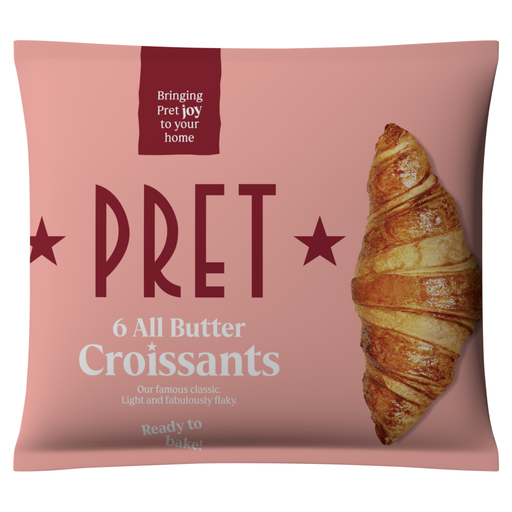
Pret A Manger Butter Croissants 330g

Pret A Manger Butter Croissants 330g

A plain frozen all-butter option for hosts planning to serve croissants warm from the oven.

Ready to bake from frozen in 20 minutes; keep frozen at -18°C or colder.

Contains wheat/gluten, milk and egg, and may contain nuts, sesame and soya. It lists 15g saturates per 100g and should not be reheated after cooling.

Joybuy
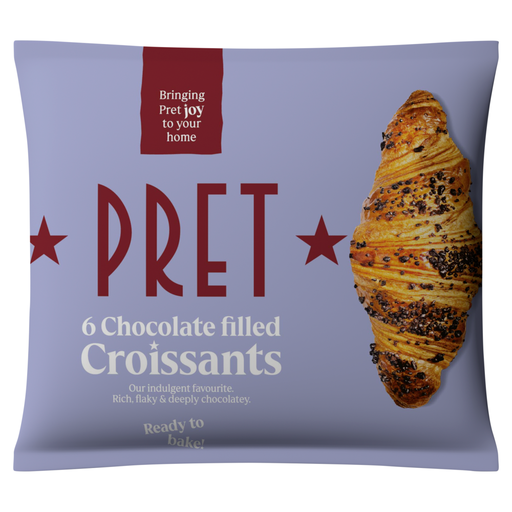
Pret A Manger 6 Chocolate Filled Croissants 420G

Pret A Manger 6 Chocolate Filled Croissants 420G

A six-pack for a small gathering where a chocolate-filled warm pastry suits the planned tea.

The frozen pack has a stated 22-minute oven method and contains six croissants.

Contains wheat/gluten, milk, egg and soya, with nut and sesame allergy warnings. It lists 15g saturates per 100g and 16g sugars per croissant; do not reheat after cooling.

Joybuy
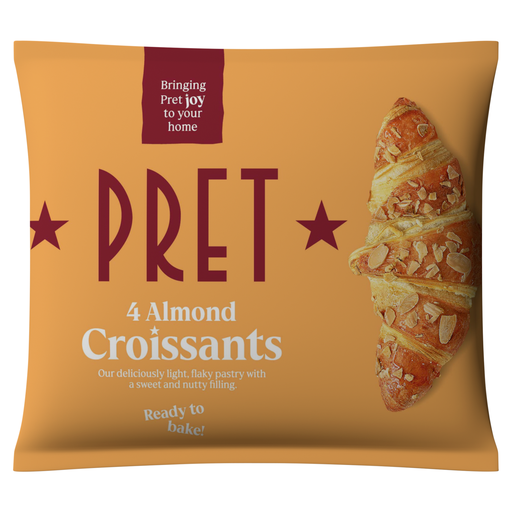
Pret A Manger Almond Croissants 280g

Pret A Manger Almond Croissants 280g

An almond-filled frozen alternative for guests who specifically want an almond pastry and can be served after baking.

Contains almonds, wheat/gluten, milk and egg, and may contain other nuts, sesame and soya.

It lists 12g saturates per 100g. Check the current pack for oven temperature and baking duration before planning service; do not reheat after cooling.

Joybuy

Frequently asked questions

Are ordinary all-butter croissants suitable for a guest with coeliac disease?

Do not assume so. Standard Tesco Finest, Sainsbury’s, M&S and Waitrose croissants listed here contain wheat or wheat gluten. Sainsbury’s separately labels its Free From all-butter croissants as gluten-free and suitable for coeliacs, but the current pack should still be checked because it contains milk and egg.

What allergens should I check before serving bakery croissants?

Check the individual product label against the guest’s specific allergen. The standard croissants discussed here commonly contain wheat or gluten, milk and egg, while some bakery products also carry trace warnings for nuts and other allergens. The Food Standards Agency says allergen information must be provided for both prepacked and non-prepacked food.

How can I choose a croissant with less saturated fat?

Compare the saturates value per 100g first, then check the serving size. The NHS classifies more than 5g saturates per 100g as high and advises comparing similar products this way. M&S reduced-fat croissants list 12.3g saturates per 100g, so a lower-fat claim does not mean the product is low in saturates.

Can I warm croissants ahead of afternoon tea?

Follow the exact pack instructions and prepare only the quantity likely to be served. Tesco Finest gives oven instructions of 4–5 minutes from ambient or 5–6 minutes from frozen, while Sainsbury’s says its croissants can be warmed but should not be reheated once cooled.

Does “white and brown blend” identify a useful croissant type?

No. It is not a product classification used by the UK retailer croissant listings discussed here. Choose using the ingredient list, gluten status, allergens, saturates, pack size and heating method instead.