Who this is for

Hosts serving independent older adults

For a small afternoon tea where guests can manage regular flaky pastry and the priority is a convenient, appropriately sized ready-to-eat serving. Four-packs and individual bakery items offer different ways to manage portions and leftovers. Product information from M&S, Tesco, Sainsbury's and Waitrose supports these format differences.

Family carers checking swallowing safety

For people arranging food for a guest whose chewing strength, choking risk, supervision needs or dysphagia status may affect whether an ordinary croissant is appropriate. The International Dysphagia Diet Standardisation Initiative sets important boundaries for regular easy-to-chew food.

Hosts planning a larger tea in advance

For a gathering where warm pastries are wanted and the host has freezer capacity, an oven and time to follow the cooking and cooling instructions. Tesco product guidance and GOV.UK food-storage guidance are relevant when using frozen pastries.

What to check before buying

Start with the guest's ability to manage ordinary pastry, then match the pack format, allergens and preparation route to the tea you are planning.

Priority What to check Your needs
Texture and swallowing Check whether the guest can bite, chew, moisten and swallow ordinary soft pastry independently. Follow any written texture or swallowing plan. Do not treat smaller pieces as proof of suitability. I need food that the guest can safely manage, rather than assuming that age alone decides what texture is appropriate. The International Dysphagia Diet Standardisation Initiative says its Level 7 Regular Easy to Chew guidance is for people without swallowing problems or an increased choking risk.
Allergens and cross-contact Read the physical pack label for wheat or gluten, milk, egg and any nut or sesame warnings. Take extra care with bakery-counter items where allergen traces may be possible. I need to check the exact item before serving, especially if a guest has an allergy or intolerance. A prepacked product can make the item-specific label easier to review.
Portion and label details Compare the stated serving weight and per-croissant nutrition, rather than treating all croissants as equivalent. Check fillings and toppings as well as the pastry itself. I want a portion that fits the rest of the afternoon tea, including any jam, cream or other sweet foods being served alongside it.
Pack and preparation Match pack count to guest numbers. For frozen products, confirm freezer space, oven access, cooking time and the date label before buying. I want a serving route that fits the event: a ready-to-eat small pack for minimal preparation, or frozen pastries when I can plan the freezer-to-oven process.

Common buying pitfalls

  • Assuming ordinary croissants suit every older guest

    A guest with dysphagia, an increased choking risk or a prescribed texture-modified diet may need a clinician-approved alternative. The International Dysphagia Diet Standardisation Initiative states that Easy to Chew food is not intended for people with an identified increased choking risk.

    Ask the guest, a family member or their care provider about any written dietary and swallowing guidance before finalising the menu. Do not use a croissant as a default texture-modified option.

  • Treating “medium sliced” as a croissant specification

    The reviewed products are sold as individual pastries or multipacks rather than in a standard medium-sliced croissant format. Cutting a pastry does not establish texture suitability.

    Choose by pack count, individual size, filling, ready-to-eat or frozen status, and the guest's actual ability to manage regular pastry.

  • Overlooking pastry allergens and bakery cross-contact

    All-butter croissants commonly contain wheat, milk and egg, while counter and bakery products can also carry trace-allergen warnings.

    Read the physical label for each pack immediately before serving. Do not assume that one retailer's all-butter croissant has the same allergen information as another's.

  • Buying frozen pastries without planning preparation

    Frozen croissants need suitable storage and cooking arrangements. Tesco gives an oven-from-frozen method for its product, and GOV.UK advises keeping frozen food at -18°C and using defrosted food within 24 hours.

    Use frozen products only when cooking arrangements are confirmed; otherwise, a ready-to-eat small pack may be more practical for the event.

    Frozen pastries add storage, cooking and cooling steps that need to fit the timing of the tea.

Relevant supermarket brand references

M&S

UK Foodhall and in-store bakery options include a 75 g all-butter single croissant and a reduced-fat all-butter alternative.

  • A defined individual serving can be useful when serving one guest, and M&S publishes ingredient and nutrition information.
  • M&S says its reduced-fat version has 30% less fat than its own all-butter croissants, but it remains ordinary pastry. Its in-store bakery preparation area uses several allergens and cannot guarantee their absence as traces.

Tesco Finest

A four-pack all-butter croissant option for a small group, described as having French-churned butter and flaky layers.

  • Tesco provides per-croissant nutrition, storage directions and warming instructions, including an oven-from-frozen method.
  • It contains wheat, milk and egg. Tesco lists 8.4 g saturates per 61 g croissant, so compare portions carefully with other products.

Sainsbury's

Everyday four-pack all-butter croissants that are ready to eat and may also be warmed.

  • The four-pack can suit a small tea, with per-croissant nutrition, heating instructions and home-freezing directions available.
  • It contains wheat, butter and egg. Sainsbury's notes that recipes and ingredients can change, so the physical label remains the final check.

Waitrose

Individual bakery-counter all-butter croissants sit alongside prepacked four- and eight-pack options.

  • An individual croissant can avoid opening a multipack for a single guest, while larger formats offer alternatives for groups.
  • The individual all-butter croissant contains wheat, milk and egg and may contain nuts. Waitrose cautions that fresh-service-counter foods may be affected by allergen traces.

Lidl

An in-store bakery all-butter croissant with store-specific availability.

  • Lidl confirms an all-butter croissant and identifies milk, wheat and egg among its allergens.
  • The product may contain traces of further allergens, including nuts, sesame, soya and other cereals containing gluten. Check the selected store and current label before serving.

Joybuy product options

Joybuy frozen bake-at-home croissant options for a planned afternoon tea with freezer storage and oven access.

Pret A Manger Butter Croissants 330g

Pret A Manger Butter Croissants 330g

For hosts planning warm plain croissants and able to bake from frozen.

Stated 24% butter and 27 folds. Keep frozen at -18°C and bake for 20 minutes. Contains wheat or gluten, milk and egg; may contain nuts, sesame and soya. Check the pack for quantity and serving size before planning portions.

Joybuy
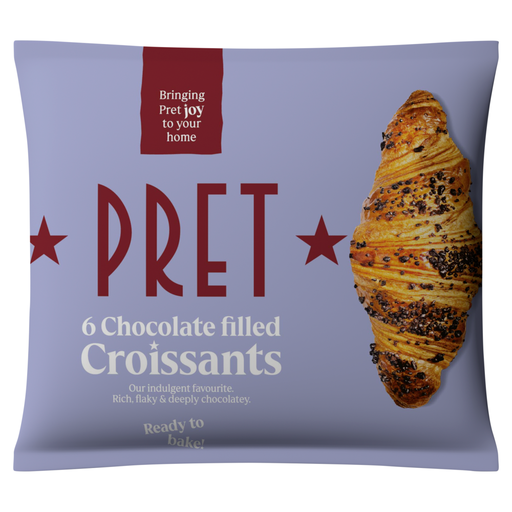
Pret A Manger 6 Chocolate Filled Croissants 420G

Pret A Manger 6 Chocolate Filled Croissants 420G

For a planned tea for several guests when a chocolate-filled pastry fits the menu.

Six frozen croissants with a stated 22-minute oven cooking time. Nutrition is stated per 100 g and per croissant after baking. Contains wheat, milk, egg and soya, and is stated as unsuitable for nut and sesame allergy sufferers.

Joybuy
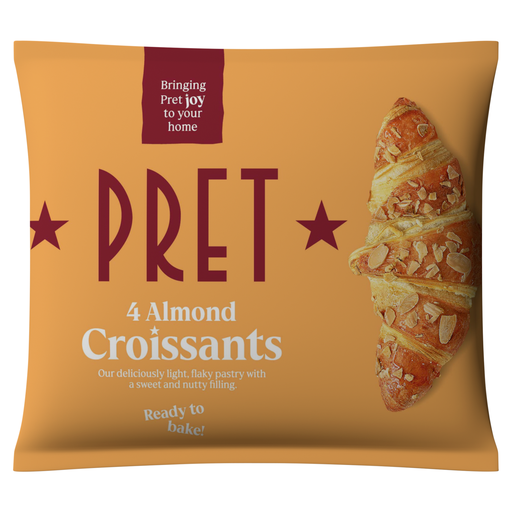
Pret A Manger Almond Croissants 280g

Pret A Manger Almond Croissants 280g

For hosts who want a warm almond-filled croissant and can check allergen needs carefully before serving.

Frozen bake-at-home croissants with almond filling and flaked almonds; store at -18°C. Contains almonds, wheat or gluten, milk and egg, and may contain other nuts, sesame and soya. Once thawed, do not refreeze.

Joybuy

Frequently asked questions

Are croissants suitable for every older person at afternoon tea?

No. Age alone is not a texture assessment. A standard croissant is only a reasonable option when the person can safely chew and swallow ordinary soft, tender food; for someone with dysphagia, an identified choking risk, supervision needs or a prescribed texture-modified diet, follow their written clinical or care-plan guidance instead.

Can I make croissants safer by slicing them into smaller pieces?

No, smaller pieces are not a substitute for an appropriate texture assessment. The International Dysphagia Diet Standardisation Initiative says that Level 7 Easy to Chew still requires a person to bite, chew and moisten soft, tender food safely, and it is not intended for people with an increased choking risk.

Which allergens should I check on a croissant pack?

Check the current product label every time. The reviewed all-butter products commonly contain wheat or gluten, milk or butter and egg; some also state possible nut exposure or bakery-area cross-contact. A retailer web page is not a replacement for the pack label.

Should I choose fresh, frozen or ready-to-eat croissants?

Choose ready-to-eat croissants for the lowest-preparation route. Choose frozen bake-at-home croissants only if you have freezer space, an oven and enough time to follow the exact cooking and cooling directions; Tesco Finest, for example, provides conventional warming and oven-from-frozen instructions.

What do best-before and use-by dates mean for pastries?

A use-by date relates to food safety, while a best-before date relates to quality. Read the label on the actual product and follow its storage instructions; GOV.UK says that food defrosted after freezing should be used within 24 hours.