Budget-conscious BBQ hosts
You are feeding several people and want a multipack that makes portion planning straightforward, rather than relying on individual counter pastries.


Choose ambient croissants when you need a simple ready-to-eat addition to a BBQ spread, with optional warming shortly before serving. Choose frozen ready-to-bake croissants when warm pastries matter more and you have freezer space plus enough oven or air-fryer capacity before guests arrive; keep every croissant pack away from raw-meat utensils and preparation surfaces.
You are feeding several people and want a multipack that makes portion planning straightforward, rather than relying on individual counter pastries.
You want croissants alongside a relaxed grill or brunch spread and can choose between briefly warming ready-to-eat pastries and baking frozen dough from scratch.
You need to check pack-specific allergen information and keep ready-to-eat croissants away from raw-meat equipment and surfaces at the BBQ.
Start with the serving format, then confirm portions, allergen information and the space available for safe preparation.
| Priority | What to check | Your needs |
|---|---|---|
| Pack size and portions | Check the croissant count, whether pastries are ready to eat, and whether the pack suits the number of guests. Compare like-for-like multipacks rather than assuming a smaller pack will cover the same table. | I want enough pastries for a shared buffet without leaving the serving table short when guests arrive. |
| Serving format and timing | Ambient croissants can be served straight from the pack or warmed if the label permits. Frozen products need freezer storage, full cooking from frozen and enough appliance capacity for the batch. | I want warm croissants without competing with the grill for oven or air-fryer time. |
| Allergens and food safety | Read the current allergen statement on the pack, including precautionary warnings. Keep ready-to-eat pastries covered and use separate plates, boards and utensils from raw meat. | I need to know what guests can eat and keep croissants clear of raw-meat preparation areas. The Food Standards Agency and Food Standards Scotland both advise separating raw and ready-to-eat BBQ foods. |
A small pack can be convenient for a few people, but may not provide enough pastries when croissants are part of a larger BBQ buffet.
Count the guests and decide whether croissants are a main brunch item or a supporting pastry before choosing the pack size.
Frozen croissants need freezer storage and cooking shortly before serving. M&S states that its ready-to-bake croissants are raw and must be baked, while ASDA gives separate oven and air-fryer instructions for its frozen pack.
Use ambient pastries for a low-effort buffet. If you choose frozen, schedule baking before guests arrive and follow the exact pack instructions.
The researched products contain common allergens including wheat, milk and egg, and some carry precautionary warnings for nuts, sesame or soya.
Check the actual pack label immediately before serving. For guests with allergies, do not rely on a general product description and prevent cross-contact with other BBQ foods and utensils.
Croissants are ready-to-eat, so they should not share preparation equipment with raw meat. The Food Standards Agency and Food Standards Scotland advise separate utensils, serving dishes, boards and plates for raw and ready-to-eat BBQ food.
Keep croissants covered until serving and use clean tongs, plates and boards that have not been used for raw meat.
A broad croissant range for shoppers considering all-butter, reduced-fat, filled or Made Without options, including a frozen ready-to-bake eight-pack.
A smaller all-butter four-pack for shoppers who prefer a premium-labelled own-brand option alongside Tesco’s larger own-label multipacks.
A practical all-butter four-pack for a small gathering or a buffet where croissants are one part of the food table.
An own-label all-butter option for hosts who want to warm croissants shortly before serving.
A choice between ambient eight-packs for straightforward serving and frozen all-butter croissants for planned baking.
An in-store bakery option for shoppers who can check the local shelf information before buying.
Joybuy options for a planned warm pastry serving, where frozen storage and baking time can be managed before the BBQ or brunch spread begins.
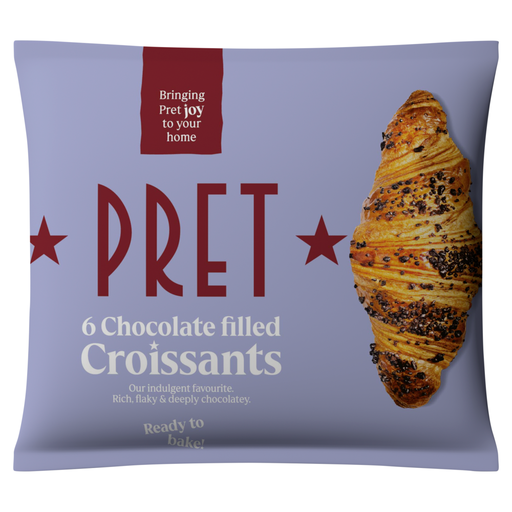 No image available
A frozen option for a planned warm brunch or sweet dessert-style BBQ spread.
Bake from frozen for 22 minutes and store at -18°C. Declared allergens include wheat, gluten, milk, egg and soya; it is not suitable for nut or sesame allergy sufferers.
 No image available
A frozen all-butter option for hosts who can bake shortly before guests eat.
Store at -18°C and bake from frozen for 20 minutes. It contains wheat, gluten, milk and egg, and may contain nuts, sesame and soya; do not reheat once cooled.
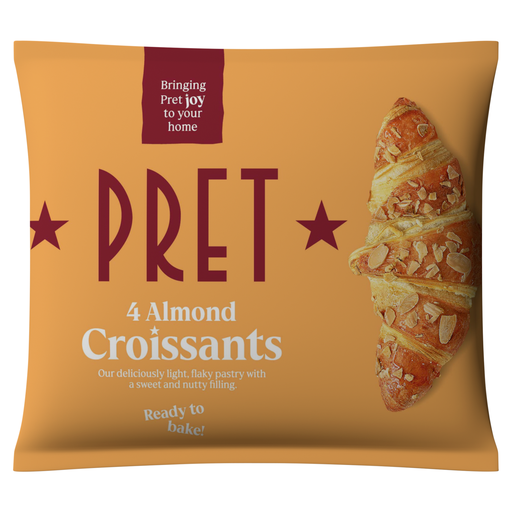 No image available
A frozen almond-filled option for a sweet brunch-style BBQ spread rather than a plain savoury-side pastry.
Keep frozen and bake before serving. It contains wheat, gluten, milk, egg and almonds, and may contain other nuts, sesame and soya; check the pack instructions before planning serving time.
Yes, provided they remain separate from raw meat, raw-meat plates, chopping boards and utensils. The Food Standards Agency advises using separate utensils and serving dishes for raw and ready-to-eat food, and Food Standards Scotland gives the same BBQ cross-contamination warning.
Choose ambient croissants for a simple ready-to-eat buffet item that can be warmed briefly if the pack allows it. Choose frozen ready-to-bake croissants only when you can keep them frozen and have enough oven or air-fryer capacity before serving; M&S states that its frozen product is raw and must be baked, while ASDA says its frozen product must be cooked from frozen.
Check each current pack label rather than assuming all croissants have identical allergen information. The researched examples contain wheat or gluten, milk and egg, while some products also state that they may contain nuts, sesame or soya; UK guidance requires allergen information for both prepacked and non-prepacked food.