Hosts feeding a small barbecue group
Ready-to-eat multipacks can simplify a brunch-style spread or croissants filled after grilling. Frozen packs need oven baking before the event, as described by M&S, Tesco and Sainsbury’s product information.


Choose a ready-to-eat multipack when several guests need a low-preparation option; choose frozen ready-to-bake croissants only when you have freezer space, an oven and time to follow the pack instructions. Smaller packs can suit a short guest list, while bakery-counter options are useful for buying close to serving; check the current label for allergens before sharing.
Ready-to-eat multipacks can simplify a brunch-style spread or croissants filled after grilling. Frozen packs need oven baking before the event, as described by M&S, Tesco and Sainsbury’s product information.
Frozen ready-to-bake croissants suit a gathering where you can keep them frozen and bake before serving. M&S states that its ready-to-bake format must be kept frozen and baked rather than served straight from the pack.
Check the current physical label rather than assuming all butter croissants have the same profile. M&S, Waitrose and Lidl examples list wheat, milk and egg, with some additional allergy or trace warnings.
Start with when and where the croissants will be served, then match the pack format to your guest count and menu.
| Priority | What to check | Your needs |
|---|---|---|
| Preparation and timing | Check whether the product is ready to eat, needs warming, or is raw and requires baking. Confirm freezer storage and oven access where required. | I need croissants that fit the time and equipment available before guests eat. |
| Portion planning | Compare the stated pack count with the guest list and the rest of the spread. Two-, four- and eight-piece formats serve different occasions. | I want enough croissants for the table without creating unnecessary leftovers. |
| Allergen information | Read the current ingredient and allergen declaration on every pack. Check may-contain statements as well as listed ingredients. | Guests may need me to avoid relying on a generic assumption about butter croissant ingredients. |
| Current shopping details | Check the current pack information, local availability and any offer conditions before the event. Store bakery availability can vary by location. | I want to confirm that the format I planned to buy is available when I need it. |
M&S states that its frozen ready-to-bake all-butter croissants are raw, must be baked and must remain frozen. A barbecue location without an oven may leave you without a usable serving option.
For a no-oven barbecue, choose a product confirmed as ready to eat. If you choose frozen croissants, plan freezer storage, baking time and oven access before buying.
Examples from M&S, Waitrose and Lidl contain wheat, milk and egg, and some labels include further allergy suitability or trace warnings. Recipes and labels can change.
Read the current physical label for every pack and keep the packaging available for guests with allergies or intolerances.
Verified formats range from two croissants at Waitrose to four at Sainsbury’s and eight at Tesco and M&S. The right quantity depends on whether croissants are the main bread item or part of a wider spread.
Estimate portions first, then select a two-, four- or eight-piece format that fits the menu and guest list.
An oversized pack can leave unused pastries, while too few can leave the spread short.
GOV.UK warns that raw meat can contaminate ready-to-eat food during outdoor cooking.
Keep croissants, fillings, serving dishes and utensils separate from raw-meat preparation areas. Wash hands and clean equipment before handling ready-to-eat food.
M&S offers ambient all-butter croissants and frozen ready-to-bake all-butter croissants, including an eight-pack for planned oven-baked serving.
Tesco’s range includes Tesco Finest All Butter Croissants in a four-pack alongside own-label all-butter formats in several pack sizes.
A four-croissant all-butter option for a small gathering, described by Sainsbury’s as enriched with creamy French butter.
A two-croissant format for a couple or a small barbecue brunch where avoiding leftovers matters.
An in-store bakery route for shoppers buying close to the event rather than planning an online multipack order.
Joybuy product options for a planned barbecue brunch with freezer storage and oven access. These selections are frozen croissants that need baking before serving.
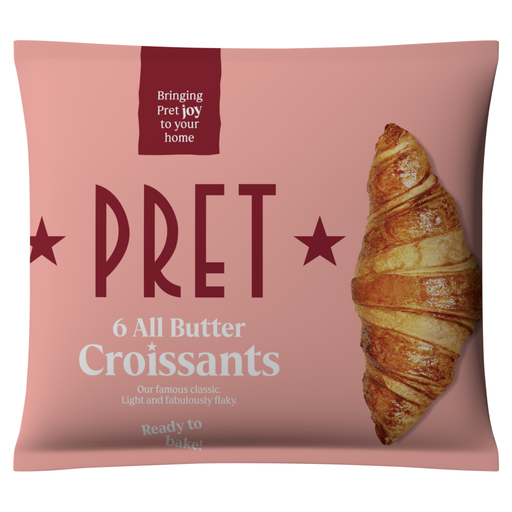 No image available
A plain frozen option for hosts who can bake croissants before a brunch-style barbecue spread.
24% butter, 27 folds and a stated 20-minute bake from frozen. Requires freezer storage at -18°C or colder and contains wheat/gluten, milk and egg; it may contain nuts, sesame and soya.
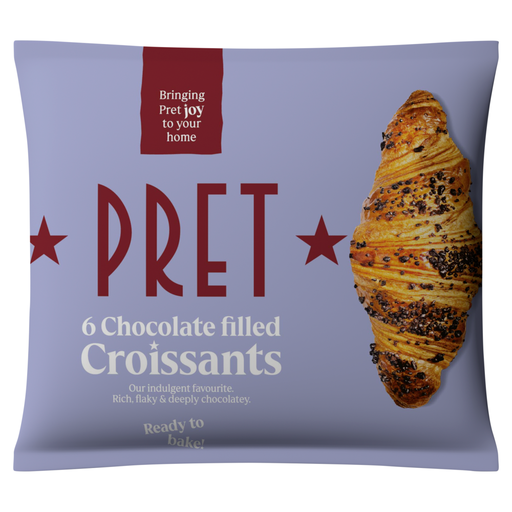 No image available
A sweet pastry option for a planned gathering where six oven-baked chocolate croissants suit the menu.
Six chocolate-filled croissants with dark-chocolate decoration and stated 22-minute oven preparation from frozen. Store at -18°C or colder; contains wheat, gluten, milk, egg and soya, and is not suitable for nut or sesame allergy sufferers.
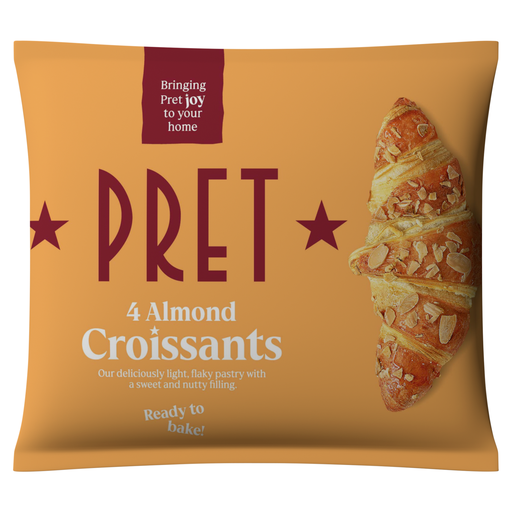 No image available
A sweet almond option for hosts planning to bake frozen pastries before serving.
Almond filling, flaked almonds and 15% butter; bake from frozen. Contains wheat, gluten, milk, egg and almonds, and may contain other nuts, sesame and soya.
Choose ready-to-eat croissants when you need minimal preparation. Choose frozen ready-to-bake croissants only when you can keep them frozen and bake them before serving; M&S states that its frozen eight-pack is raw and must be baked.
Yes, if the product instructions permit it. Sainsbury’s says its Taste the Difference croissants can be oven-heated, while Waitrose No.1 gives an oven-heating instruction; follow the specific pack because instructions differ by product.
Check the physical pack rather than assuming a uniform recipe. The examples from M&S, Waitrose and Lidl list wheat, milk and egg, while M&S and Lidl also show further allergy suitability or trace warnings.
Keep ready-to-eat food covered and chilled until needed, and use clean utensils and serving dishes. GOV.UK advises keeping raw-meat preparation separate from ready-to-eat food because raw meat can contaminate it.