Who these croissants suit

Sunday hosts serving a pastry course

Choose croissants for a relaxed brunch, a savoury filled pastry or coffee after the roast, rather than as a replacement for traditional roast bread. Marks & Spencer, Tesco, Sainsbury’s, Waitrose and Lidl position their products around breakfast, brunch or warm pastry occasions.

Hosts who want freshly baked pastries

If you have freezer space and a reliable oven slot before guests arrive, a bake-at-home pack can provide croissants served straight after baking. Marks & Spencer states that its frozen eight-pack is raw, must be baked and kept frozen until use.

Allergy-aware or gluten-free households

Check wheat, milk, egg, nut and possible cross-contact information before choosing. Standard all-butter croissants reviewed contain wheat, milk and egg; Sainsbury’s separately lists a gluten-free Taste the Difference option, but the current pack label remains essential.

Buying priorities

Start with the serving role, then match the pack format and preparation method to your guest count, oven schedule and dietary requirements.

Priority What to check Your needs
Warm serving Check whether the croissants are ready to eat, need brief warming or must be baked from frozen. Allow for the stated oven time and freezer storage requirements. I want a warm, flaky pastry for guests without disrupting the roast cooking schedule.
Pack and portion fit Match the pack count to the number of servings. Four-packs can suit smaller groups, while frozen larger packs need a plan for storage and use. I need enough pastries for the table without buying a pack that is unsuitable for the occasion.
Allergen information Read the current ingredient list, declared allergens and precautionary allergen statement. Treat a gluten-free label as one check, not a universal allergy conclusion. I need product-specific information before placing pastries on a shared Sunday table.
Richness and portions Compare nutrition per croissant as well as per 100g. Tesco Finest lists 8.4g saturated fat per croissant and Sainsbury’s Taste the Difference lists 9.9g. I want a pastry treat that fits sensibly alongside an already rich roast meal.

Buying pitfalls

  • Treating croissants as a standard roast side

    Croissants are generally positioned as breakfast, brunch, snack or warm pastry food, and their flaky, buttery texture is not designed to replace bread for gravy and a full roast meal.

    Use them before the roast, as a small savoury filled course or with coffee afterwards. Buy a loaf, rolls or Yorkshire puddings separately if you need a roast accompaniment.

  • Assuming all-butter means low in saturated fat

    Premium all-butter croissants can be rich per serving: Tesco Finest lists 8.4g saturated fat per croissant, Sainsbury’s Taste the Difference lists 9.9g and Waitrose No.1 lists 10.1g.

    Plan portions around the rest of the meal and compare the per-croissant nutrition information, not just butter provenance or premium wording.

  • Relying on online ingredient details for an allergy-critical purchase

    Recipes and allergen information can change, while bakery products may carry cross-contact considerations. The Food Standards Agency requires prepacked-for-direct-sale foods to show a full ingredients list with allergen information.

    Read the current pack label or ask for current staff information immediately before serving. For a severe allergy, do not use a general product description or an absent named ingredient as a safety guarantee.

  • Buying a frozen pack without checking the serving plan

    A frozen ready-to-bake pack requires freezer capacity, oven time and enough guests to make the pack format practical. Marks & Spencer states that its frozen all-butter croissants are raw, must be baked and cannot be refrozen after thawing.

    Choose this format only when the oven schedule and expected servings are clear; otherwise, a chilled two- or four-pack may be easier to manage.

    Unplanned freezer storage, oven time and unused servings can make a frozen pack less convenient for a small table.

Relevant brand references

M&S

Relevant for hosts choosing between an in-store 75g all-butter croissant and a frozen eight-pack baked at home.

  • M&S says its in-store croissant uses real butter and lists butter at 30%; its frozen eight-pack is made in France and is raw and bake-required.
  • The in-store product is prepared where multiple allergens are used, while the frozen product is not suitable for people with nut, peanut, sesame or soya allergy.

Tesco Finest

Relevant for a premium chilled four-pack when you want a convenient, warmable all-butter croissant for a smaller gathering.

  • Tesco describes its Finest croissants as made with French-churned butter and layered dough, with a 4–5 minute oven-warming instruction.
  • The listed serving contains 8.4g saturated fat, and the product contains wheat, milk and egg.

Sainsbury’s Taste the Difference

Relevant for a premium four-pack, including a separately listed gluten-free Taste the Difference all-butter alternative.

  • Sainsbury’s describes its standard four-pack as enriched with French butter and says it can be warmed in an oven or air fryer.
  • Its standard pack lists 9.9g saturated fat per croissant. The Free From version is labelled gluten-free, but guests still need the current pack’s allergen information checked.

Waitrose No.1

Relevant for a smaller, individually premium-feeling Sunday serving: a two-pack prepared in France with French butter and flour.

  • Waitrose says its No.1 croissants contain 33% unsalted butter and are intended to be served warm.
  • They contain wheat, milk and egg and may contain nuts; Waitrose notes that recipes can change, so the current label controls allergen information.

Lidl

Relevant for shoppers able to buy from a local in-store bakery and willing to check store-specific availability.

  • Lidl lists an All Butter Croissant as available in store and suitable for vegetarians.
  • It lists milk, wheat and egg, plus possible traces including nuts, sesame and soya, so check the local allergen information for affected guests.

Joybuy product options

Joybuy frozen croissant options for warm pre-roast brunches and coffee-and-pastry serving after a Sunday meal.
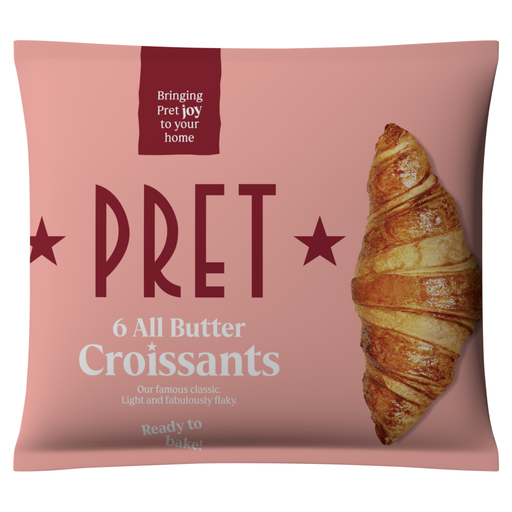
Pret A Manger Butter Croissants 330g

Pret A Manger Butter Croissants 330g

A plain bake-from-frozen option for a planned pre-roast brunch or post-lunch coffee service.

The listing states 24% French-sourced butter, slow fermentation, 27 folds and a 20-minute bake time.

Keep frozen at -18°C or below and do not refreeze after thawing. It contains wheat, gluten, milk and egg, and may contain nuts, sesame and soya; check the current pack label for allergy-critical serving.

Confirm the number of croissants in the 330g pack against your planned servings.

Joybuy
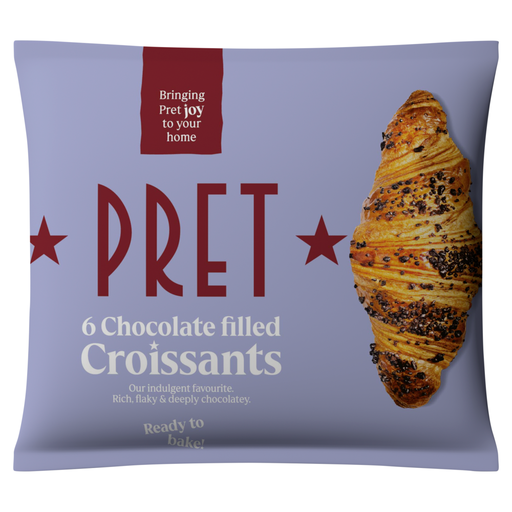
Pret A Manger 6 Chocolate Filled Croissants 420G

Pret A Manger 6 Chocolate Filled Croissants 420G

A sweet warm option for coffee and dessert after a Sunday meal rather than a savoury pre-roast course.

The pack contains six chocolate-filled croissants and gives a 22-minute oven method from frozen.

It contains wheat, milk, egg and soya and is stated as unsuitable for nut and sesame allergy sufferers. Do not reheat once cooled, and check the current pack label before serving.

Joybuy
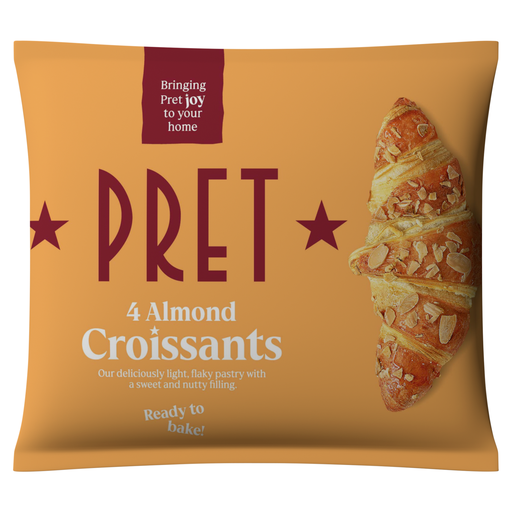
Pret A Manger Almond Croissants 280g

Pret A Manger Almond Croissants 280g

A dessert-led almond croissant for a sweet brunch or coffee serving where almonds are suitable for all guests.

The listing states 15% butter, 14% almond filling and 3% flaked almonds, and describes the product as frozen and suitable for vegetarians.

It contains almonds, wheat, gluten, milk and egg and may contain other nuts, sesame and soya. Keep frozen at -18°C or below and do not refreeze after thawing.

Check the cooking duration and exact pack count before planning oven time and servings.

Joybuy

Frequently asked questions

Are croissants a suitable bread replacement for a traditional Sunday roast?

Not usually. Retailer descriptions place these products around breakfast, brunch, snacks and warm pastry occasions, so use croissants for a pre-roast brunch, a small savoury filled course or coffee after lunch. Choose conventional roast accompaniments if you specifically need bread for gravy.

Should I warm chilled premium croissants before serving?

Warm them only according to the exact pack instructions. Tesco Finest gives 4–5 minutes in an oven, Sainsbury’s provides oven and air-fryer guidance, and Waitrose No.1 says its croissants are best served warm; do not transfer one brand’s timings to another product.

Can I serve bake-at-home croissants straight from the freezer?

No. Marks & Spencer states that its ready-to-bake all-butter croissants are raw and must be baked. Keep them frozen at -18°C, do not refreeze after thawing and follow the pack cooking instructions before serving.

Are all-butter croissants suitable for a guest with a milk, egg, wheat or nut allergy?

No blanket conclusion is safe. The standard all-butter products reviewed contain wheat, milk and egg, while several also state that nuts may be present or that bakery areas use nuts and other allergens. Check the exact item, current packaging and staff information before serving.

Does a gluten-free croissant make the whole pastry course allergy-safe?

No. A gluten-free product addresses gluten ingredients, not necessarily milk, egg, nuts, sesame, soya or other allergens. Confirm the guest’s individual requirements and read the current product label before buying or serving.