Buying priorities for breakfast croissants
Fresh bakery-counter croissants
Choose this when: Breakfast is being served straight away and you want an individual pastry without storing or baking a pack.
Keep in mind: Counter products can have cross-contact cautions, and local availability may vary.
Packaged multipacks
Choose this when: You are feeding several people and can warm croissants shortly before serving.
Keep in mind: Follow the pack’s own storage and reheating instructions rather than assuming every multipack is handled alike.
Frozen ready-to-bake croissants
Choose this when: You can plan oven time and want pastries baked immediately before breakfast.
Keep in mind: This format needs freezer storage and safe handling; M&S says its raw frozen croissants should not be refrozen after thawing.
Start with when you will serve the croissants, then compare the exact pack’s ingredients, portions and preparation instructions.
| Priority |
What to check |
Your needs |
| Serving format |
Check whether the croissant is ready to eat, needs brief oven warming, or is raw and frozen. Confirm freezer storage and available oven time. |
I want the pastry to arrive at the table when breakfast is served, without disrupting the rest of the cooking. |
| Allergen information |
Read the ingredients and allergen statement for the exact product. For loose bakery items, ask staff for product-specific allergen information and cross-contact details. |
I need clear information about wheat, milk, egg or other allergens before I add a pastry to breakfast. |
| Recipe and portion |
Compare the serving size, ingredients and nutrition declaration on the specific pack. “All butter” does not mean recipes or portions are identical. |
I want to compare the actual croissant I am serving rather than relying on a general product description. |
| Pack planning |
Compare the number of croissants in the pack, current unit pricing and any promotion conditions. Check local availability where a retailer requires store selection. |
I need enough pastries for the table without assuming a temporary offer or another shop’s pack size will apply. |
Joybuy product options
Joybuy frozen croissant options for a breakfast pastry, including a plain all-butter choice and filled alternatives for hosts planning oven time.
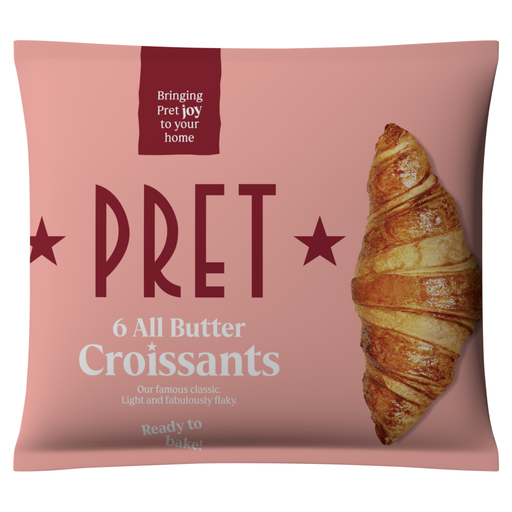 Image unavailable
Pret A Manger Butter Croissants 330g
A plain frozen all-butter option for a planned Full English where warm croissants are wanted from the oven.
Stated 24% butter, 20-minute baking guidance from frozen and storage at -18°C or colder. Contains wheat, gluten, milk and egg; may also contain nuts, sesame and soya. Check the pack count against your guest numbers.
Joybuy
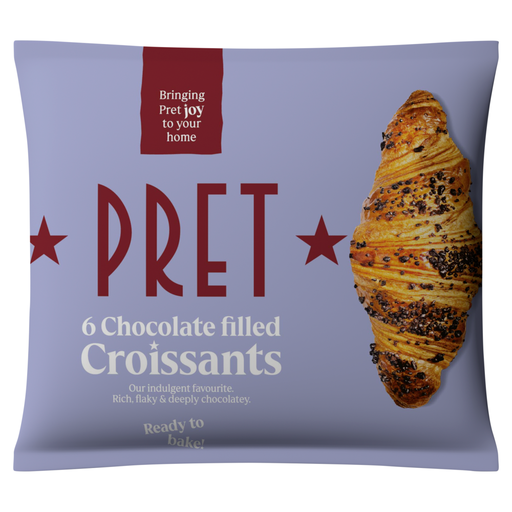 Image unavailable
Pret A Manger 6 Chocolate Filled Croissants 420g
A sweeter frozen pastry option when a chocolate-filled croissant is wanted alongside breakfast rather than a plain croissant.
Six croissants with a stated 22-minute oven method from frozen. Contains wheat, gluten, milk, egg and soya; it is not suitable for nut and sesame allergy sufferers.
Joybuy
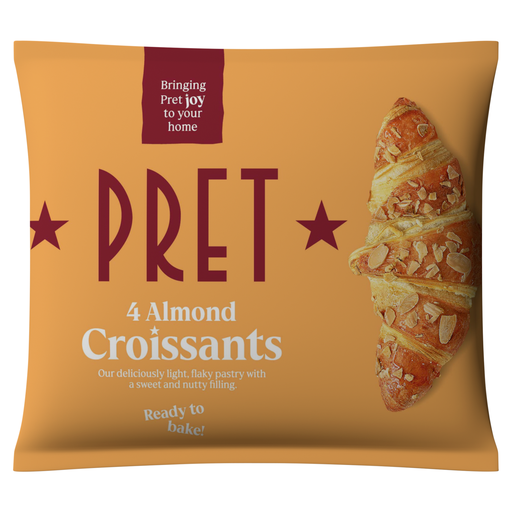 Image unavailable
Pret A Manger Almond Croissants 280g
A frozen almond-filled option for hosts who deliberately want a nutty, sweet pastry rather than a plain croissant.
Almond filling and flaked-almond topping; frozen storage is required. Contains wheat, gluten, milk, egg and almonds, and may contain other nuts, sesame and soya. Confirm current cooking instructions and pack count before planning breakfast timing.
Joybuy
Frequently asked questions
Are croissants suitable alongside a Full English breakfast?
Yes, croissants can work as an optional pastry alongside the cooked breakfast rather than replacing its savoury elements. Choose an individual fresh croissant for immediate serving, a multipack for several people, or a frozen ready-to-bake product when you can bake it shortly before serving.
Should packaged croissants be warmed before serving?
Check the exact pack instructions. Sainsbury’s says its Taste the Difference croissants are ready to eat but can be oven-heated for five minutes, while M&S describes its packaged all-butter croissants as best enjoyed warm; M&S frozen croissants must be baked because they are raw.
Are standard all-butter croissants suitable for people avoiding wheat, milk or egg?
Not among the standard products covered here. M&S, Sainsbury’s, Waitrose and Lidl listings identify wheat or gluten, milk or butter, and egg among ingredients or allergens, so always read the current pack label because recipes can change.
How should I handle allergen information for loose bakery croissants in the UK?
Ask staff for information about your specific allergen before buying. GOV.UK and the Food Standards Agency state that non-prepacked food must have allergen information available, which can be supplied by methods including orally; for food prepacked for direct sale, the label must show the food name, a full ingredients list and emphasised allergens.
Can I freeze a packaged croissant multipack?
Only follow the instructions on the exact pack. Sainsbury’s says its verified four-pack can be frozen before its best-before date and used within one month, while M&S says its raw frozen product should not be refrozen after thawing.


