Home workers needing an immediate lunch
You want a pastry that can be eaten cold or warmed in a few minutes between meetings, rather than one requiring a full bake.


Choose ambient all-butter croissants when lunch needs to be ready immediately or only briefly warmed; choose frozen bake-at-home packs when you have time, freezer space and suitable equipment. If seeds are important, choose bread explicitly labelled as seeded rather than assuming a conventional butter croissant contains them, and check the exact pack’s allergen information.
You want a pastry that can be eaten cold or warmed in a few minutes between meetings, rather than one requiring a full bake.
You can prepare lunch in advance, have freezer and oven or air-fryer access, and are willing to trade speed for freshly baked croissants.
Seeds are an essential attribute, so choose a product explicitly labelled as seeded rather than assuming a standard butter croissant includes them.
Choose this when: lunch needs to be available immediately, with only optional brief warming.
Consider: pack size and opened-life instructions, and do not treat an all-butter croissant as a seeded option.
Choose this when: you can plan ahead, keep pastries frozen and cook them safely before lunch.
Consider: cooking and cooling time, appliance access, freezer space and the exact allergen statement.
Choose this when: seeds are a core part of the lunch rather than a minor preference.
Consider: this is a different bakery category, so check the ingredients and precautionary allergen information on the individual pack.
| Priority | What to check | Your needs |
|---|---|---|
| Preparation time | Check whether the product is ready to eat, suitable for brief warming, or must be baked from frozen. Confirm the stated cooking time and whether your oven or air fryer meets the instructions. | A cold or quickly warmed croissant fits a short break. Frozen pastries make more sense when lunch can be planned around cooking time. |
| Seed content | Look for an explicit seeded product name or seed ingredients. Check the individual croissant pack rather than relying on an all-butter description. | If seeds matter to my lunch, I would choose clearly labelled seeded bread instead of treating a standard croissant as interchangeable. |
| Allergen information | Read the current pack for wheat, milk, egg, nuts, sesame and any precautionary statements. Take extra care with loose bakery items where the product format affects the available information. | I need the precise allergen information for the product I intend to eat, not an assumption based on its name or butter content. |
| Pack size and storage | Compare pastry count with the number of lunches you expect to cover. Follow opened-life, freezing and storage instructions on the label. | A multi-pack works for me only if I can use it within the stated storage period or freeze it according to the pack guidance. |
Conventional all-butter croissants and seeded bread are separate products. M&S identifies seeded bread as a separate range, while its all-butter croissant is not suitable for people with sesame allergy.
If seed content is essential, buy a product explicitly described as seeded and read the ingredient list and allergen statement on the exact pack.
Frozen croissants are not an instant lunch. The Asda frozen example has stated oven and air-fryer methods, while Waitrose’s frozen pack needs 18 to 20 minutes in an oven.
Choose ambient ready-to-eat croissants for an immediate lunch, or bake frozen croissants before your meeting schedule becomes tight.
Packs can range from four to ten pastries, and storage instructions can affect how much of a pack you can use. Some retailer loyalty prices are conditional.
Compare price per pastry only after deciding how many lunches the pack will cover, whether you can freeze it according to the label, and whether a displayed loyalty price applies to you.
Unused croissants can lead to food waste when the pack size does not suit your storage plan.
Lidl’s all-butter croissant listing includes possible traces such as sesame, and loose bakery products may involve additional uncertainty around allergens.
For a medically necessary avoidance diet, check current allergen information before purchase and choose a product format whose pack information meets your needs.
A UK Foodhall retailer with all-butter croissants and a separate seeded-bread range, useful when distinguishing a classic croissant lunch from a seed-led bread lunch.
Tesco’s premium own-label croissant option sits within a wider shelf that includes standard Tesco packs and branded products.
A retailer offering standard, all-butter, Taste the Difference, filled and Free From croissant options.
Waitrose offers ambient all-butter, premium No.1 and frozen bake-at-home croissants for comparing ready-to-eat and planned-bake lunches.
Asda has ambient own-label all-butter multi-packs and frozen bake-at-home croissants for multi-pack and appliance-based lunch plans.
An in-store bakery retailer with an all-butter croissant listed as available in store rather than as a fixed online basket-price option.
These Joybuy options are frozen bake-at-home croissants for a planned working-from-home lunch. None is presented as a confirmed seeded choice.
 No image available
For a planned home lunch with freezer and oven access, these bake-from-frozen croissants need around 20 minutes of baking.
Plain all-butter croissants with 24% butter. Contains wheat, gluten, milk and egg; may contain nuts, sesame and soya. Choose another product if an explicitly seeded option is required.
 No image available
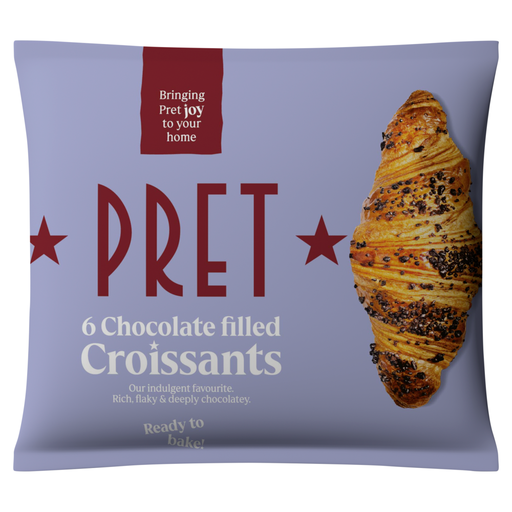
These frozen chocolate-filled croissants suit a planned lunch when you can allow for a 22-minute oven method and slight cooling time.
Six chocolate-filled croissants. Contains wheat, gluten, milk, egg and soya; not suitable for nut or sesame allergy sufferers. They are not labelled as seeded.
 No image available
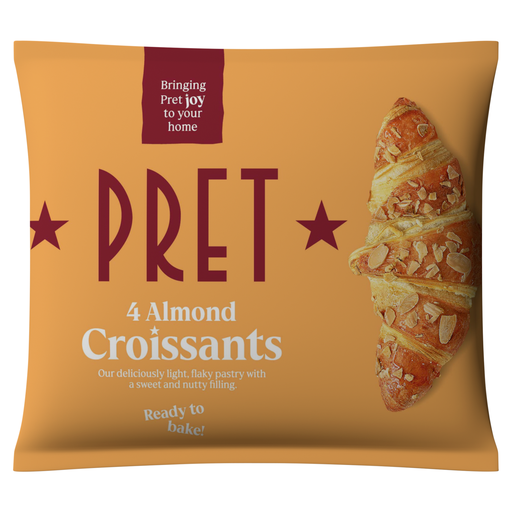
This frozen almond-filled option can fit an advance-planned lunch when you have freezer storage and can follow the preparation instructions on the pack.
Contains almond filling and flaked almonds. Contains wheat, gluten, milk, egg and almonds; may contain other nuts, sesame and soya. Almonds do not make this a confirmed seeded choice.
Not by assumption. M&S presents its seeded bread as a separate range, while its all-butter croissant is not suitable for people with sesame allergy. If seeds are essential, choose a product clearly labelled as seeded and read the individual ingredient and allergen information.
Choose an ambient croissant if you need to eat immediately. Asda lists its ambient option as ready to eat hot or cold, and Waitrose says its ambient pack can be served hot or cold; frozen products are better for planned lunches because their oven cooking times can run from around 14 to 20 minutes depending on the product.
Follow the pack instructions rather than applying one rule to every product. Asda’s ambient ten-pack says opened product should be kept in an airtight container and consumed within two days; UK Government guidance distinguishes use-by dates, which relate to safety, from best-before dates, which relate to quality.
Yes. The listed products commonly contain wheat, milk and egg, and some carry precautionary statements for nuts, sesame, soya or other allergens. Check the current pack before eating, as recipes and supplier information can change.
A best-before date concerns quality rather than safety, whereas a use-by date concerns safety. Follow the storage instructions on the pack; after a best-before date, quality may have reduced, so assess the food appropriately before eating.