Who this is for

Parents packing a school or after-school snack

Choose a croissant only after checking its current ingredients and precautionary allergen wording against both the child’s needs and the individual school policy. Product information from M&S, Waitrose and Lidl shows why a plain product name alone is not enough.

Families sharing a simple tea-time pastry

Compare the size of each croissant, the number in the pack and how it will be served. Smaller standard pastries, larger all-butter options and individually wrapped portions suit different sharing and portioning routines.

Households managing an allergy or intolerance

Check each product label for wheat or gluten, milk, egg, nuts and sesame. Clearly labelled prepacked packs can make it easier to review ingredients and precautionary statements before serving or packing.

What to check before buying

Start with the child’s allergy requirements and the school’s rules, then choose a format that works for serving at home or packing for later.

Priority What to check Your needs
Allergen and school-policy fit Read the full ingredient list, declared allergens and any nut or sesame precautionary wording. Check the exact current pack rather than relying on the product name or an older pack. I need a croissant that fits the child’s allergy plan and the school’s written requirements. A plain all-butter croissant may still carry a nut or sesame warning.
Portion and pack format Compare the number of pastries, the per-croissant size and whether portions are individually wrapped. For frozen products, check storage and cooking instructions. I want enough pastries for tea time without serving more than suits the child. Individually wrapped pieces can help keep unopened portions separate, while frozen croissants need time to bake.
Seeds and fillings Identify the specific seed or filling rather than treating all croissants alike. Check for direct almond or hazelnut ingredients and for sesame declarations or precautionary statements. I want to avoid choosing by the word “seeded” alone. A seed declaration is relevant only when it fits the child’s requirements and the school’s policy.

Common buying mistakes

  • Assuming a plain croissant is acceptable where sesame or nuts are restricted

    A plain all-butter croissant can still carry a precautionary nut or sesame statement. Lidl’s all-butter croissant lists possible nuts and sesame, while M&S says its all-butter croissants are not suitable for sesame allergy.

    Read the exact pack on the day of purchase and compare it with the child’s allergy plan and the school’s written policy.

  • Treating seeds as a universal upgrade

    Seeds are not a shortcut to a more suitable tea-time choice. Sesame is an allergen that may matter for a child or a school setting, and croissant ranges also include fillings with different allergen considerations.

    Identify the seed first, then check the complete ingredient list and allergen wording before deciding whether it can be served or packed.

  • Choosing almond or hazelnut pastries for a general school snack

    Almond and hazelnut fillings contain direct tree-nut ingredients, so they are not interchangeable with a standard butter croissant when allergies or restrictions apply.

    Keep nut-filled croissants for home only when they suit everyone being served, and do not pack them where a school or child restriction rules them out.

  • Comparing packs only by the total pack size

    Standard and premium packs can differ in the size of each pastry. Tesco lists its standard all-butter croissant at 44 g per piece and its Finest all-butter croissant at 61 g per piece.

    Compare the per-croissant weight and the number of pastries in the pack, then choose the portion that fits the rest of tea time.

Relevant croissant ranges

Tesco Finest

Tesco Finest offers a larger all-butter four-pack for households comparing per-croissant portions.

  • Tesco lists 61 g and 253 kcal per croissant for its Finest all-butter four-pack.
  • The product contains wheat, milk and egg; check the current pack for any school or allergy requirement.

Tesco

Tesco’s standard all-butter four-pack is a smaller-per-piece option for family tea time.

  • Tesco lists 44 g and 168 kcal per croissant for the standard four-pack.
  • Its ingredients include wheat, butter from milk and egg, so it does not suit those allergens.

Sainsbury’s

Sainsbury’s range includes standard, all-butter, free-from, filled and bake-at-home croissant formats.

  • The range gives families a choice of plain, almond, chocolate-hazelnut and free-from options.
  • A category listing cannot confirm allergen suitability for a particular child; check the exact product page and pack.

M&S

M&S offers a prepacked all-butter croissant for home serving alongside a Made Without Wheat alternative in its croissant range.

  • The all-butter pack is freezable, which can help with planned home serving.
  • M&S lists wheat or gluten, milk and egg, and states that this all-butter product is not suitable for nut, peanut, sesame or soya allergy.

Waitrose

Waitrose offers fresh bakery-style and packaged croissants, including single and four-pack all-butter options.

  • The range includes different pack formats for one-at-a-time serving or family sharing.
  • Waitrose lists wheat, milk and egg in its single all-butter croissant, with a possible nut warning; it advises allergy-affected shoppers to use prepacked products for their packaging information.

Lidl

Lidl bakery includes all-butter and chocolate-hazelnut croissants for in-store purchase.

  • The range provides both plain-style and filled pastry choices.
  • Lidl’s all-butter croissant lists milk, wheat and egg and may contain nuts and sesame; the chocolate-hazelnut version declares hazelnuts.

Joybuy croissant options

These Joybuy options are frozen bake-at-home croissants for planned home tea time. Check the current physical-pack allergen wording before serving or packing.

Pret A Manger Butter Croissants 330g

Pret A Manger Butter Croissants 330g

For planned home tea time when an adult can bake and cool the croissants before serving.

Frozen storage at -18°C or below; bake from frozen in 20 minutes. Contains wheat or gluten, milk and egg, and may contain nuts, sesame and soya.

Joybuy
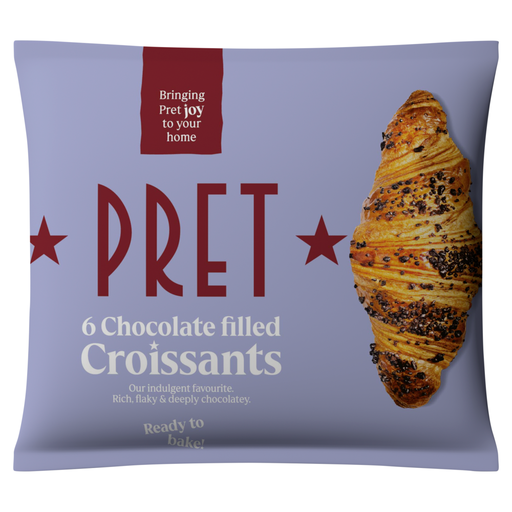
Pret A Manger 6 Chocolate Filled Croissants 420G

Pret A Manger 6 Chocolate Filled Croissants 420G

A chocolate-filled option for planned home serving where its stated allergen restrictions suit everyone being served.

Six frozen croissants with 22-minute oven cooking instructions. Contains wheat or gluten, milk, egg and soya; the product is not suitable for nut or sesame allergy sufferers.

Joybuy
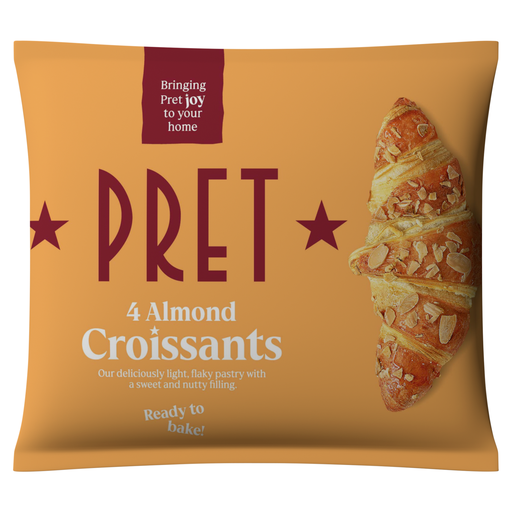
Pret A Manger Almond Croissants 280g

Pret A Manger Almond Croissants 280g

An almond-filled choice for planned home tea time only when almonds and the stated precautionary allergens suit everyone being served.

Contains 14% almond filling and 3% flaked almonds. Keep frozen and bake before serving; contains wheat or gluten, milk and egg, and may contain other nuts, sesame and soya.

Joybuy

Frequently asked questions

Should I specifically buy seeded croissants for kids’ tea time?

Not by default. Retailer ranges from Tesco and Sainsbury’s include plain butter, almond, hazelnut, chocolate, free-from and frozen choices, so treat seeds as an ingredient and school-policy check rather than a shortcut to choosing a croissant.

Can a plain all-butter croissant go into a nut-free or sesame-free school?

Only if the current pack label and the school’s own policy allow it. M&S, Waitrose and Lidl product information shows that plain all-butter croissants can still have nut or sesame warnings.

Which allergens are common in croissants?

Wheat or gluten, milk and egg are declared in several plain butter croissants. Filled products may contain almond or hazelnut, while some plain products carry precautionary nut or sesame statements, so check each current package rather than another brand’s label.

Are frozen croissants ready to pack or serve immediately?

Not necessarily. The Pret A Manger frozen croissants listed on Joybuy require freezer storage and baking from frozen, so they suit planned home tea time rather than an immediate packed snack.

What school rule applies to croissants in the UK?

Check the individual school’s policy. The Department for Education says that schools in England must support pupils with medical conditions including allergies and publish an allergy safety policy; this does not create one rule for Scotland, Wales or Northern Ireland.