Who this is for

Parents and carers packing occasional pastry-based lunches

For people deciding whether a croissant can fit into a secondary-school lunchbox and how to complete the meal with protein and fruit or vegetables. NHS packed-lunch guidance advises including foods from the main food groups.

Families managing declared allergies or intolerances

For households distinguishing standard wheat-containing all-butter croissants from a gluten-free alternative, while checking milk, egg, nuts and cross-contact information on the current pack.

Shoppers choosing between multipacks and bakery items

For shoppers who need clear pack-level allergen information, storage instructions and a predictable number of portions for school lunches.

What to check before buying

Start with the pupil’s dietary requirements and the school’s current allergy arrangements, then check how the croissant will fit into the rest of the lunchbox and your storage plan.

Priority What to check Your needs
Allergen information Read the current ingredient list, declared allergens and any cross-contact statement. Check whether the school has food arrangements relevant to the pupil or other children. I need the exact pack information before packing food for a pupil with an allergy, intolerance or food-management plan.
Lunchbox balance Decide whether the croissant is one carbohydrate item rather than the main lunch. Add a separate protein food plus fruit or vegetables; NHS guidance also suggests choosing wholegrain where possible for the main lunchbox base. I want the lunch to include more than a pastry on its own.
Pack size and storage Compare the number of croissants in the pack with the lunches you expect to prepare. Follow the product’s stated freezing and storage instructions where relevant. I need a pack that can be used before quality declines, or stored according to the label.
All-butter pastry Compare saturated fat using the serving size stated on the pack. Tesco Finest lists 8.4 g saturated fat per 61 g croissant, while Waitrose lists 7.1 g per croissant for its four-pack product. I want to keep an all-butter croissant as an occasional lunchbox component rather than making it the automatic daily main item.

Mistakes to avoid

  • Treating gluten as present in every croissant

    Many standard all-butter croissants list wheat or cereals containing gluten, but M&S sells a Made Without Wheat product labelled gluten free. A category-wide assumption can therefore rule out a relevant option or overlook an unsuitable one.

    Check the exact pack. Where a gluten-free product is needed, also check milk, egg and any cross-contact statement.

  • Choosing a croissant solely because it fits the lunchbox

    A croissant is a convenient carbohydrate item, but it does not by itself provide the variety described in NHS packed-lunch guidance. Tesco Finest and Waitrose also list notable saturated-fat amounts per pastry on their product pages.

    Pack it with a separate protein item and fruit or vegetables, or choose a more substantial wholegrain-based main item on other days.

  • Assuming bakery-counter and prepacked croissants offer the same allergen certainty

    Loose bakery products can carry broader cross-contact concerns. Lidl lists several possible trace allergens for its all-butter croissant, while Waitrose advises allergy-affected shoppers to select prepacked ranges with packaging details.

    For an allergy-sensitive lunch, choose a current, fully labelled prepacked product and follow the school’s individual allergy policy.

  • Buying a large multipack without a storage plan

    Pack sizes differ: Tesco Finest and Waitrose offer four-packs, while Sainsbury’s lists an eight-pack. Several products can be frozen, subject to their own date and storage instructions.

    Match the pack count to expected use and freeze only as the product label directs.

    Unused pastries can create avoidable food waste when the pack is not used or frozen in time.

Relevant supermarket range references

Tesco Finest

A premium own-label all-butter four-pack for shoppers who want a smaller sealed multipack for planned lunches.

  • Tesco lists wheat flour, butter (milk) and pasteurised egg, and states that the product is suitable for vegetarians and freezing.
  • One 61 g croissant lists 8.4 g saturated fat, and the product is unsuitable where its listed allergens are excluded.

Sainsbury’s

An own-label eight-pack of all-butter croissants for households needing more portions from one pack.

  • The product is ready to eat, suitable for vegetarians and can be frozen before its best-before date.
  • It contains wheat flour, butter and whole egg; the larger pack needs a plan for prompt use or freezing.

M&S

Relevant for its Made Without Wheat All Butter Croissants, a gluten-free route rather than a standard wheat-based croissant choice.

  • M&S labels this product gluten free and freezable.
  • Its ingredients include butter (milk), pasteurised egg and dried whole milk, so it is not an allergy-free substitute. M&S advises shoppers to read the label because recipes and allergen information can change.

Waitrose

A prepacked four-croissant option for shoppers seeking online ingredient, nutrition and allergen information.

  • Waitrose lists wheat flour, butter (milk), wheat gluten and egg, and says the product is suitable for freezing.
  • The product may contain nuts and lists 7.1 g saturated fat per croissant. Waitrose advises people affected by allergy or intolerance to select prepacked ranges.

Lidl

A bakery all-butter croissant for convenience purchases rather than detailed preplanned multipack selection.

  • Lidl identifies milk, wheat and egg as allergens for its all-butter croissant.
  • It also lists possible traces including celery, lupin, mustard, nuts, sesame and soya, making close allergen decisions less straightforward.

Joybuy product options

Joybuy product options for an occasional croissant-based lunchbox carbohydrate element, where the current allergen information suits the pupil and the pastry is paired with other lunch foods.
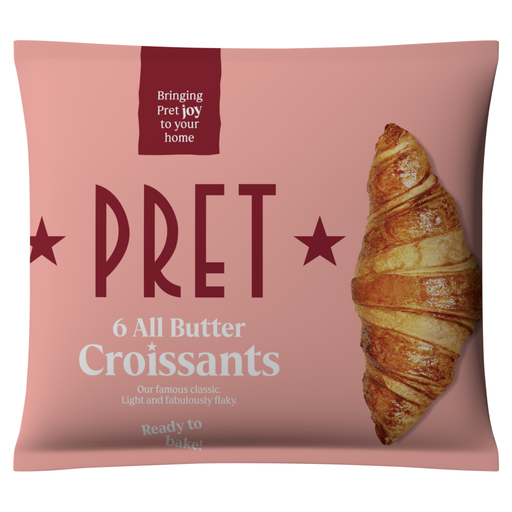
Pret A Manger Butter Croissants 330 g

Pret A Manger Butter Croissants 330 g

Consider this for planned lunches only when its current allergen label suits the pupil, and pack it with separate protein food and fruit or vegetables.

Joybuy

Frequently asked questions

Are ordinary all-butter croissants suitable for a pupil avoiding gluten?

Usually not. Tesco Finest, Sainsbury’s and Waitrose standard all-butter croissants list wheat or cereals containing gluten. M&S Made Without Wheat All Butter Croissants are labelled gluten free, but the current label still needs checking because the product contains milk and egg and product information can change.

Can I pack a croissant as the whole school lunch?

Use it as one part of the lunch rather than the whole meal. NHS guidance recommends basing the main lunchbox item on starchy foods, choosing wholegrain where possible and adding vegetables; other NHS packed-lunch guidance recommends a protein portion plus fruit and vegetables.

Is a loose bakery croissant suitable when allergens must be closely controlled?

A prepacked croissant with a current ingredient label is the clearer option for checking ingredients and allergen statements. Waitrose advises allergy-affected shoppers to choose prepacked ranges because packaging details allergen information, while Lidl lists several declared and possible trace allergens for its loose all-butter croissant.

Do schools in England have allergy-related duties relevant to packed food?

Yes. Department for Education guidance for England says schools must publish an allergy safety policy covering arrangements to reduce exposure to known allergens and emergency responses. Check the individual school’s current policy before sending foods that could affect another pupil’s allergy-management arrangements.

Can croissants be frozen for later packed lunches?

Some products can be frozen, but follow the specific pack instructions. Tesco Finest says to freeze by the use-by date, while Sainsbury’s and M&S give freezing instructions linked to their stated date marks and storage periods.