Do not assume an all-butter or artisan-style croissant is sourdough: listings from M&S, Tesco, Sainsbury’s and Waitrose present croissants separately from sourdough bakery ranges. Choose a plain all-butter croissant for flexible sweet or savoury sharing, a frozen bake-at-home option for timed warm service, or an explicitly labelled sourdough bakery item when sourdough character is essential; always check the exact item’s label and allergen information.
Who this suits
Hosts planning a mixed sweet-and-savoury sharing table
A plain all-butter croissant is a flexible starting point for several toppings or fillings. If fermented sourdough character is essential, choose a bakery item explicitly labelled as sourdough instead.
Hosts serving warm pastries to timed guests
Frozen croissants can suit warm service when there is freezer storage and oven time. Waitrose states that its frozen butter croissants bake from frozen in 20 minutes.
Guests or hosts managing food allergies or intolerances
Check allergen information for the exact pack or counter item. GOV.UK guidance requires food businesses to provide allergen information for both prepacked and non-prepacked food, while loose bakery items can carry trace-allergen uncertainty.
What to check before buying
Labelled sourdough bakery
Choose it when: Sourdough flavour or bread texture is central to the menu.
Consider: This may mean choosing bread, baguettes or another bakery format rather than a croissant.
Fresh all-butter croissants
Choose it when: You want classic flaky pastry for sweet spreads, cheese or savoury fillings.
Consider: All-butter describes the pastry, not sourdough status, and common allergens need checking.
Frozen bake-at-home croissants
Choose it when: Warm pastries matter and you can plan oven time close to serving.
Consider: You need freezer storage, oven capacity and the exact pack’s preparation instructions.
| Priority |
What to check |
Your needs |
| Sourdough status |
Look for explicit sourdough wording on the exact product title and ingredients statement. A separate sourdough bread range or an all-butter description does not establish that a croissant is sourdough. |
I need the bakery item to deliver a recognisable sourdough element for the menu, rather than simply a buttery pastry. |
| Serving format |
Choose between plain, filled and loaf formats according to the accompaniments. Check whether the item is an individual pastry or toastable sliced product. |
A plain croissant gives me room for both sweet and savoury toppings; filled options suit a more defined dessert-style course. |
| Warm service |
Read the exact heating or baking directions. Frozen products need freezer storage and oven time; fresh products may have different reheating instructions. |
I want warm pastries without interrupting the serving schedule or relying on timings from a different pack. |
| Allergen information |
Check the exact label or ask for current counter-item information. Review wheat/gluten, milk, egg and nut information, especially for filled pastries. |
I need enough item-level information to serve guests safely, particularly where an allergy or intolerance affects the choice. |
Common buying pitfalls
-
Assuming all-butter or artisan wording means sourdough
Retailer ranges can list croissants and sourdough bakery products separately, leaving a menu without the sourdough element you intended.
Use the exact product title and ingredients statement as the decision point. If sourdough is essential, do not substitute a standard croissant without changing the menu expectation.
-
Choosing a filled croissant without considering pairings
Almond-filled pastries contain nuts and have a sweeter, more specific flavour profile than plain croissants, which can limit savoury pairings.
Use plain croissants for a flexible sweet-and-savoury table, and keep almond or chocolate-filled pastries for a clearly defined dessert-style option after checking allergens.
-
Buying loose pastries for an allergy-sensitive guest without item information
Loose bakery handling can make trace-allergen certainty difficult. GOV.UK requires allergen information for bakery food, but product appearance alone is not enough to assess suitability.
Ask for current allergen information for the exact item. Where appropriate, choose a prepacked product with a readable ingredient label.
-
Planning warm service without checking preparation requirements
Fresh and frozen croissants have different preparation conditions. A frozen product may need oven time from frozen, while a fresh product can have different warming instructions.
Count oven slots and serving time before buying, then follow the directions for the exact pack rather than applying one product’s timing to another.
Relevant supermarket ranges
M&S
Relevant for shoppers looking for an in-store bakery with separately promoted sourdough and croissant options.
- M&S describes slow-proved sourdough and buttery croissants within its in-store bakery.
- Its bakery description does not establish that a particular croissant is sourdough.
Tesco Finest
Relevant for shoppers seeking a premium-positioned own-label all-butter croissant in a broad online croissant range.
- Tesco lists Tesco Finest All Butter Croissants alongside standard, filled and branded alternatives.
- The all-butter listing does not make a sourdough claim.
Sainsbury’s
Relevant for choosing between standard all-butter, Taste the Difference, gluten-free and filled croissant formats.
- Sainsbury’s lists plain, gluten-free and filled croissant options in distinct formats.
- Its sourdough products are separately listed, so check an individual croissant for an explicit sourdough statement.
Waitrose
Relevant for individual premium-style croissants, frozen bake-at-home croissants and separate sourdough bread options.
- Waitrose lists all-butter, No.1 and frozen ready-to-bake croissant options.
- Waitrose advises allergy-affected shoppers to consider prepacked ranges where packaging details allergen information.
Lidl
Relevant for loose in-store bakery pastries where local availability and allergen checks are important.
- Lidl lists an All Butter Croissant and identifies milk, wheat and egg among its allergens.
- Lidl says it cannot guarantee other allergens are absent from loose bakery products; availability is store-specific.
Joybuy product options
Joybuy product options for a world food night centred on frozen bake-at-home croissants. These products suit warm pastry service, but check the pack if sourdough character is essential.
 No image available
Pret A Manger Butter Croissants 330g
Suitable for warm sweet or savoury service when freezer storage and oven time are available.
Frozen; 24% butter; 27 folds; bake from frozen in 20 minutes.
Contains wheat/gluten, milk and egg; may contain nuts, sesame and soya. Do not reheat once cooled.
Joybuy
 No image available
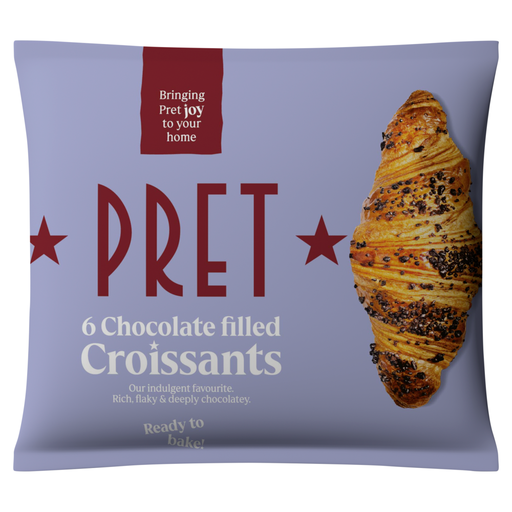
Pret A Manger 6 Chocolate Filled Croissants 420g
A dessert-style option for a planned chocolate-focused course served warm.
Six frozen butter croissants with chocolate filling and decoration; bake from frozen in 22 minutes.
Contains wheat/gluten, milk, egg and soya; not suitable for nut and sesame allergy sufferers. Do not reheat after cooling.
Joybuy
 No image available
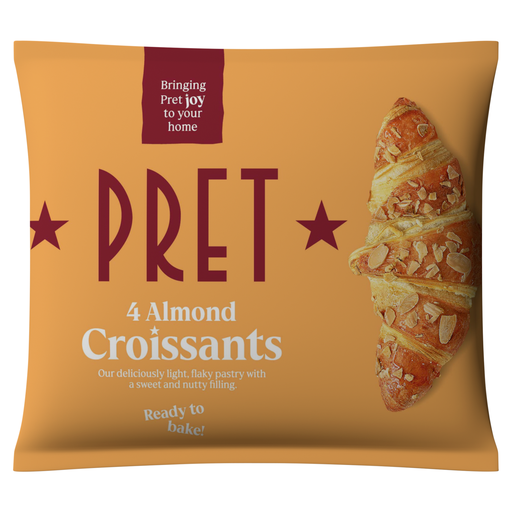
Pret A Manger Almond Croissants 280g
A defined almond dessert-style option for a menu planned around nut-led pastries.
Frozen croissants with 14% almond filling and 3% flaked almonds; bake from frozen for warm service.
Contains almonds, wheat/gluten, milk and egg; may contain other nuts, sesame and soya. Check pack instructions before planning serving time.
Joybuy
Frequently asked questions
Can I assume an all-butter croissant is a sourdough croissant?
No. M&S, Tesco, Sainsbury’s and Waitrose listings distinguish all-butter croissants from separately promoted sourdough bread or bakery ranges. Buy only an item explicitly labelled as sourdough when that matters to the menu.
Which format is practical for serving croissants warm?
A frozen bake-at-home option can suit warm service if you have freezer space and oven capacity near serving time. Waitrose states that its frozen butter croissants bake from frozen in 20 minutes; for fresh products, follow the heating instructions on that exact pack.
What allergen information should I check for croissants bought in the UK?
Check the exact product’s allergen information before purchase. GOV.UK guidance requires food businesses to provide allergen information for prepacked and non-prepacked food; wheat/gluten, milk and egg occur in all-butter croissant examples, while filled pastries can add nuts.
Are loose-counter croissants suitable for someone with a serious food allergy?
Only after current allergen information is available for the specific item and it is considered suitable by the person concerned and, where appropriate, their clinician. Lidl states that it cannot guarantee other allergens are absent from loose bakery products, while Waitrose advises allergy-affected shoppers to consider prepacked ranges with labelled allergen information.


