Busy weekend households
Ready-to-eat four-packs and larger multipacks can suit a breakfast for several people with minimal preparation. Check how many people will be eating before choosing a pack.


Choose a ready-to-eat all-butter multipack when breakfast needs to be quick, and choose frozen bake-at-home croissants when serving them warm matters more than preparation time. Compare the exact recipe, pack size and allergen information: “all butter” does not mean a croissant is suitable for people avoiding milk, wheat or egg.
Ready-to-eat four-packs and larger multipacks can suit a breakfast for several people with minimal preparation. Check how many people will be eating before choosing a pack.
Frozen bake-at-home packs suit a planned breakfast when you have freezer space and can allow time to use the oven before serving.
Check current ingredients and allergen information for each product rather than relying on the words “all butter”. Relevant croissants may contain wheat, milk and egg, and loose bakery items need particular care over allergen and cross-contact information.
Choose it when: You want croissants on the table without freezer planning or oven time.
Consider: Recipes and butter proportions can differ between packs, so compare the exact label rather than the retailer name alone.
Choose it when: A planned brunch calls for pastries served warm from the oven.
Consider: You need freezer capacity and enough time to follow the pack’s cooking instructions.
Choose it when: You only need one or two pastries rather than a full multipack.
Consider: Availability varies by store, and current allergen information is essential for anyone with an allergy or intolerance.
| Priority | What to check | Your needs |
|---|---|---|
| Preparation | Check whether the croissants are ready to serve or require frozen storage and oven cooking. Follow the cooking instructions on the exact pack. | Breakfast needs to be ready straight away, or I am happy to plan ahead for warm pastries from the oven. |
| Recipe and flavour | Read the ingredient list and compare declared butter proportion where it is shown. Treat French-butter or French-flour wording as a product description, not an independent quality ranking. | I want to compare the actual pastry recipe rather than assume that every all-butter croissant tastes the same. |
| Pack size | Count the croissants in each pack and compare equivalent quantities. Check any offer conditions on the current retailer listing. | I need enough pastries for the people at the table without buying more than I am likely to use. |
| Allergen information | Read the current pack label for ingredients and allergens. For loose bakery items, ask for the current in-store allergen information and check any cross-contact warning. | I need to know whether the exact product contains allergens that matter to my household. |
Products described as all butter can have different declared butter proportions and nutrition information. Asda’s cited standard pack lists 18% butter, while its Exceptional product lists 25%.
Compare the ingredient list, declared butter proportion where available, serving size and nutrition panel for the exact pack.
Loose bakery products can contain declared allergens and may have cross-contact considerations. The Food Standards Agency says allergen information must be available for non-prepacked foods, including bakery items.
Ask for current allergen information, read any precautionary statements and avoid the item if the information is incompatible with your dietary requirements.
Frozen croissants can help with a warm brunch, but they need freezer storage and oven time unlike a ready-to-eat pack.
Choose frozen only when you can store the pack correctly and allow the cooking time stated on its label.
Freezer space and oven use are additional practical considerations.
Relevant for shoppers choosing between ready-to-eat all-butter croissants and a frozen eight-pack for baking at home.
Relevant for a premium-positioned ready-to-eat four-pack when a small brunch pack is enough.
Relevant for shoppers comparing a Taste the Difference four-pack with other supermarket all-butter options.
Relevant for both standard chilled four-packs and frozen bake-at-home croissants.
Relevant for ready-to-eat all-butter croissants in a standard four-pack and an Exceptional line.
Relevant for an in-store individual croissant when you need one pastry rather than a multipack.
These Joybuy options are frozen bake-at-home croissants for planned weekend breakfasts. The chocolate-filled and almond-filled choices are flavoured alternatives rather than plain butter croissants.
 No image available
A frozen bake-at-home option for a planned breakfast or brunch, with a stated 20-minute bake from frozen.
The listed recipe specifies 24% French-sourced butter and layered pastry.
Requires storage at -18°C or colder. Contains wheat, gluten, milk and egg; may contain nuts, sesame and soya.
 No image available
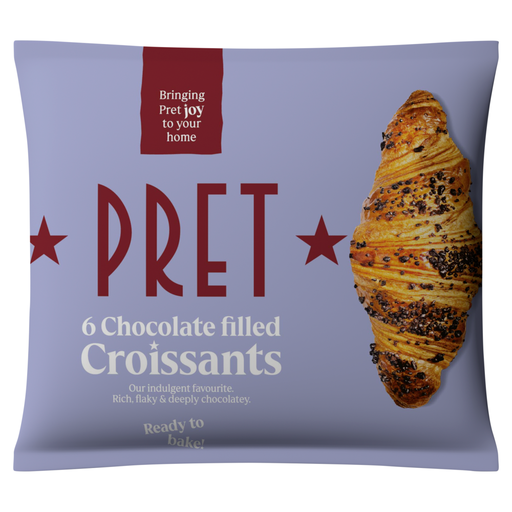
A six-croissant frozen option for a planned warm breakfast when a chocolate-filled pastry is wanted.
The product has chocolate filling and dark-chocolate decoration, with a stated 22-minute oven method.
Requires freezer storage and contains wheat, gluten, milk, egg and soya. It is stated as unsuitable for nut and sesame allergy sufferers.
 No image available
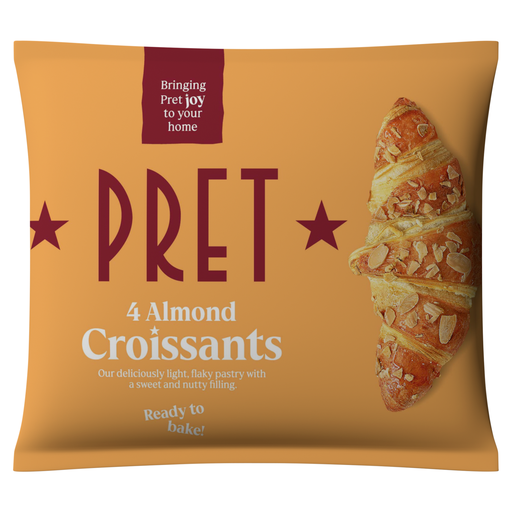
A frozen bake-at-home choice for shoppers planning a warm almond-flavoured pastry.
The listed recipe includes 15% butter, 14% almond filling and 3% flaked almonds.
Requires storage at -18°C or colder. Contains wheat, gluten, milk, egg and almonds; may contain other nuts, sesame and soya.
Choose chilled or in-store croissants when you need them immediately. Choose frozen bake-at-home croissants when you can plan freezer storage and baking time and want to serve them warm; Waitrose says its cited frozen product bakes from frozen in 20 minutes.
No. “All butter” describes the fat used in the pastry recipe, not allergy suitability. Relevant products declare milk, wheat and egg, so check the current ingredient and allergen information for the exact pack or loose bakery item.
Food businesses must provide allergen information for non-prepacked food, including loose bakery items. Ask for current in-store allergen information and do not assume a product is suitable where a cross-contact warning conflicts with your requirements.
For prepacked-for-direct-sale food, commonly called Natasha’s Law, labels must show the food name and a full ingredient list with the 14 regulated allergens emphasised. The Food Standards Agency and Food Standards Scotland state that this has been a legal requirement since 1 October 2021 where food is packed at the same place from which it is sold before the customer selects or orders it.
No. The Food Standards Agency distinguishes between the two: a use-by date concerns safety, while a best-before date concerns quality. Follow the storage instructions and do not eat food past its use-by date.