
24/7 Customer Support

Free returns

Same-day & Next-day Delivery

Quality Guaranteed

Unlock Your Welcome Offers: FREE Delivery | Up to 80% OFF | Free 30-day JoyPlus trial
Download the APP
A crossbody phone lanyard can make crowded commutes, shopping trips and festivals more convenient. Your phone stays within reach, while both hands remain available for luggage, rail cards or coffee. However, not every phone crossbody strap offers the same level of comfort, compatibility or attachment security.
Before buying, watch for three common pitfalls:
The right choice depends on your phone, case, daily routine and preferred wearing position. The following guide explains which specifications matter and highlights suitable options for different users.
Start with the connection point rather than the colour or style. A universal phone lanyard normally works with most smartphones when paired with a case that has a dedicated lanyard hole or tab. Some models use a thin connector pad that sits inside a compatible case, so no pre-drilled hole is needed.
For Apple users, check whether an iPhone crossbody strap is compatible with your specific phone and case. Magnetic designs may be intended for selected MagSafe cases rather than every iPhone cover. A magnetic attachment should be properly aligned before wearing, and the strap should not carry additional weight beyond the phone and compatible case.
A case connector should sit flat without obstructing the charging port, buttons or camera lenses. If the lanyard tab is loose, cracked or pulling away from the case, replace it rather than continuing to use it.
A 1.2-metre lanyard is a practical size for many users who want a hands-free phone strap worn around the neck, over one shoulder or across the body. It can also be looped around the wrist, although a dedicated phone wrist lanyard may be more convenient for short periods of use.
Some adjustable designs cover a broader range. The Apple iPhone Crossbody Strap, for example, has a stated length range of 108 to 208 cm, allowing it to be worn over one shoulder or across the body. Consider your height, coat thickness and preferred position before ordering. A strap that is too long can swing against furniture or catch on surrounding objects; one that is too short may feel restrictive.
Look for a soft, flexible strap with a connector that feels secure without adding unnecessary bulk. Recycled PET yarn is used in some options, including Apple crossbody straps and the Fanhangxinsheng recycled design. This describes the material content, but it does not by itself confirm a particular durability level.
For everyday reliability, inspect the connector, stitching, magnetic parts and attachment tab regularly. Avoid sharp objects, excessive pulling and activities where the phone could swing into people or equipment. A lanyard is a carrying accessory, not a climbing aid, restraint or guarantee against damage.
Under UK consumer protection principles, product information should be clear enough to support an informed purchase. Check the product page for the manufacturer, compatible devices, care instructions and safety warnings. A compliance marking, where relevant, should not be treated as proof of drop performance.
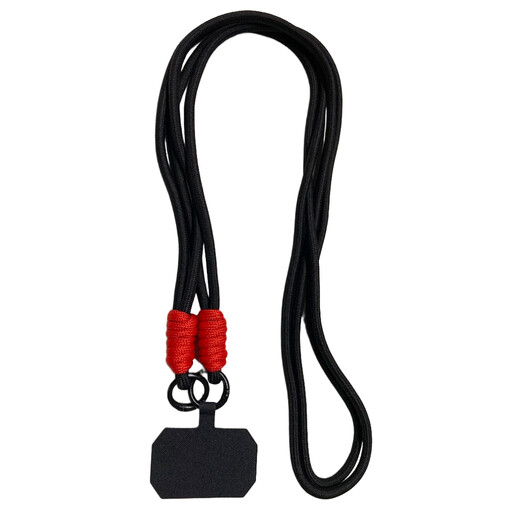
Why This Fits Their Persona: A straightforward 1.2-metre option for commuters, students and shoppers who want hands-free access without choosing a specialised magnetic system.
Its compatibility depends on a lanyard-ready case, making the required setup clear rather than implying that every bare phone is suitable.
1.2-metre length; soft, flexible construction; black colour suits everyday clothing.
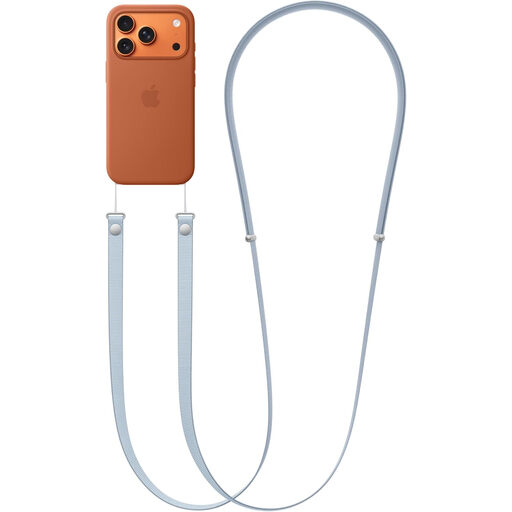
Why This Fits Their Persona: Designed for owners of compatible iPhone 17, iPhone 17 Pro and iPhone Air MagSafe cases who value a coordinated Apple accessory and adjustable fit.
The listed compatible cases and magnetic attachment method make it easier to check fit before purchase.
108–208 cm adjustment; 100% recycled PET yarn; stainless steel sliders and flexible magnets.
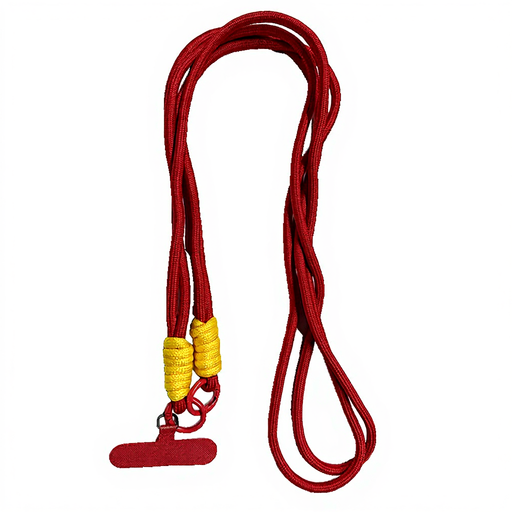
Why This Fits Their Persona: The bright red 1.2-metre design suits festival-goers, travellers and outdoor users who want their phone visible and accessible.
It clearly requires a lanyard-ready case and regular connector checks, avoiding the assumption that a strap alone guarantees phone security.
Strong, lightweight construction; flexible strap; suitable for wearing around the neck or wrist.
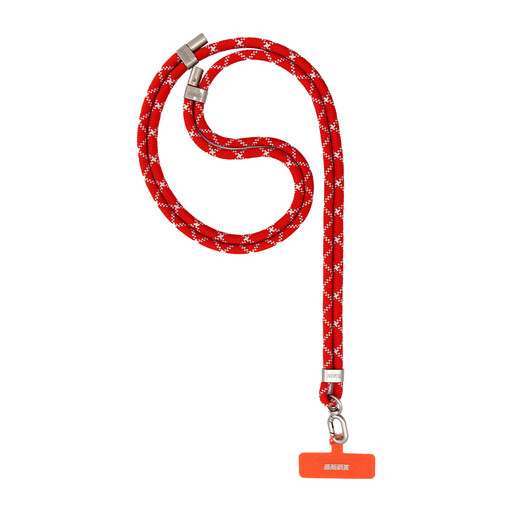
Why This Fits Their Persona: Suitable for shoppers seeking a recycled phone lanyard with multiple wearing styles for commuting, travel and daily errands.
Its no-drill connector pad is specified for cases without a lanyard hole, while the product information still advises checking attachment security.
Recycled PET material; adjustable length; supports hand, wrist, neck and crossbody use.
We have compiled a complete, real-time list of products that fully satisfy these strict selection criteria and UK safety regulations.
Before wearing your hands-free phone strap:
A visible colour such as yellow, orange or red may help you locate your phone quickly, but colour does not improve attachment strength. Choose it for visibility and personal preference rather than as a safety specification.
It can provide convenient access when stopped, but it should not swing freely while cycling. Secure the phone close to your body, avoid distracting use and follow the product’s safety instructions. For active riding, a dedicated handlebar or secure storage solution may be more appropriate.
Lifespan depends on daily use, friction, moisture and pulling force. There is no universal replacement interval. Inspect the strap and connector regularly, particularly before travel or festivals, and replace the item at the first sign of fraying, loose stitching, cracking or weakening.
Most designs require a case with a lanyard tab or a compatible connector pad. A MagSafe phone strap generally requires a specified MagSafe-compatible case. Check the product listing before purchase; attaching a lanyard directly to an unsuitable phone can lead to an insecure connection.