
24/7 Customer Support

Free returns

Same-day & Next-day Delivery

Quality Guaranteed

Unlock Your Welcome Offers: FREE Delivery | Up to 80% OFF | Free 30-day JoyPlus trial
Download the APP
A crossbody phone lanyard can make commuting, shopping, travelling and festival visits more convenient. Your phone stays close enough for quick photos, contactless payments and navigation, while your hands remain free.
However, not every smartphone lanyard is suitable for daily use. A low-quality connector may pull away from the case, a fixed-length strap can feel awkward, and a product described as “universal” may still require a compatible phone case. Before buying, check the details that affect comfort, fit and everyday reliability.
Most phone lanyards do not attach directly to the smartphone itself. They usually connect to a phone case lanyard attachment, reinforced tab or separate connector pad. If your case has no suitable attachment point, the strap may not sit securely.
Check whether the listing requires:
A universal phone lanyard normally means compatibility with a wide range of phones when used with the right case, not guaranteed compatibility without one.
An anti-theft phone lanyard is designed to help keep your phone attached to you and reduce accidental drops. It is not a guaranteed barrier against snatching, cutting or deliberate force. Avoid placing the strap where it can catch on doors, railings or moving equipment.
Before each use, check the connector, stitching and attachment point. Replace the strap if you notice fraying, looseness or damage.
Bright colours can make a phone easier to locate in a crowded bag or festival setting, but colour does not indicate strength. Look for clear information about:
A soft strap can be more comfortable for long periods, while a lightweight design avoids adding unnecessary bulk to your phone.
A 1.2 m phone strap is a common length for crossbody and neck-wearing styles. It generally provides enough room to lift the phone for viewing while keeping it close to the body. Your preferred fit depends on height, clothing and whether you want to wear the phone across your chest or closer to the neck.
An adjustable phone lanyard is useful if several people will use it or if you switch between crossbody, neck and wrist carrying. A shorter strap may suit crowded transport, while a longer design can make photography and navigation more convenient.
The attachment is the most important part of a phone drop protection strap. A secure connector should sit firmly on a suitable case tab or attachment pad. Do not rely on a loose case edge, adhesive that is not intended for the purpose or a thin decorative loop.
For added protection, use the lanyard with a robust phone case and confirm that the connector is fully positioned before lifting the device.
A phone wrist strap can be useful for shopping, taking photographs or carrying a phone briefly. A crossbody design is more suitable when you need both hands free for longer periods.
Look for a strap that is:
If you cycle, walk near traffic or take part in active outdoor activities, keep the strap secured and avoid allowing it to become loose or caught. A phone lanyard helps with carrying, but it is not impact protection and does not eliminate the need for sensible handling.
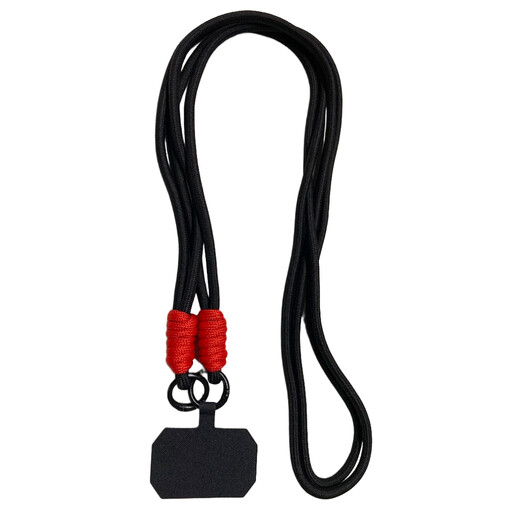
Why This Fits Their Persona: A straightforward black 1.2-metre option for commuters, shoppers and anyone trying a hands-free phone holder for the first time.
The listing specifies a 1.2 m strap, a case-based attachment system and the need for regular connector checks, rather than suggesting that compatibility is automatic.
Black colour for discreet everyday styling; strong yet lightweight construction; designed for use with a compatible lanyard-ready case.
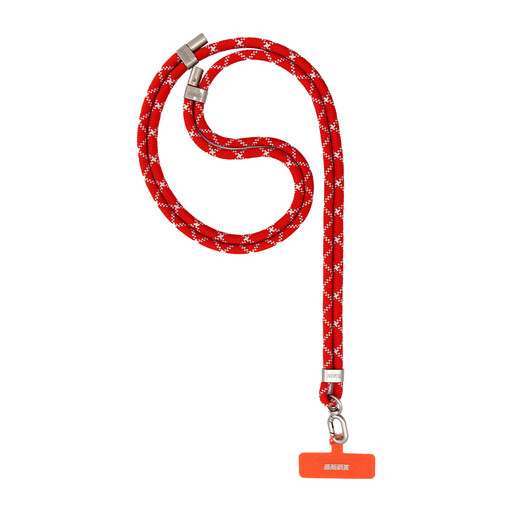
Why This Fits Their Persona: Suitable for users who value adjustable wearing styles and product information that identifies recycled PET material.
The product description states that its connecting pad is designed for cases without a pre-drilled lanyard hole, helping address a common compatibility issue.
Recycled PET construction stated in the listing; adjustable length; supports hand, wrist, crossbody and neck-wearing styles.
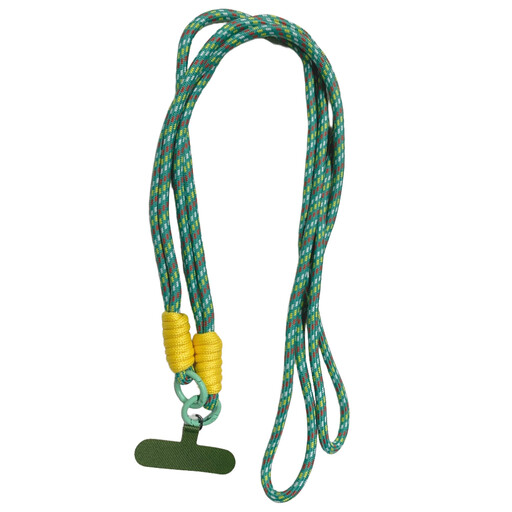
Why This Fits Their Persona: A visible green 1.2 m strap for people who regularly move between commuting, shopping, travel and outdoor activities.
Its product information clearly identifies the case attachment requirement and advises checking the connector and strap for wear, rather than promising complete protection.
1.2 m length; soft, flexible strap described for wrist or neck wear; compatible with most smartphones when paired with a suitable lanyard-ready case.
We have compiled a complete, real-time list of products that fully satisfy these strict selection criteria and UK safety regulations.
No. It should be used with a case that has a suitable lanyard tab or with a compatible attachment pad. Always check the product details and confirm the connector is secure before wearing the phone.
Lifespan depends on frequency of use, exposure to friction and the weight of the phone. Inspect it regularly rather than relying on a fixed timeframe. Fraying, stretched stitching, a damaged connector or a loose attachment point indicates that it should be replaced.
Some designs support both positions, while others are intended mainly for crossbody use. A flexible phone wrist strap or adjustable design offers more options, but check the stated length and attachment system before purchasing.