
24/7 Customer Support

Free returns

Same-day & Next-day Delivery

Quality Guaranteed

Unlock Your Welcome Offers: FREE Delivery | Up to 80% OFF | Free 30-day JoyPlus trial
Download the APP
Navigating the spreads aisle can feel like a chore. Jars of crunchy peanut butter shout about being 'natural' or 'high-protein', but the labels often hide details that lead to a disappointing purchase. Many of us have been caught out by a 'healthy' spread that is loaded with sugar, or a premium-priced jar that offers poor value. The goal is simple: find a delicious, satisfying spread that fits your lifestyle without falling into common marketing traps.
This guide cuts through the clutter. We will highlight the two most common pitfalls UK shoppers face and break down the essential factors to check before you buy. Whether you are a fitness enthusiast, a busy parent or simply a peanut butter aficionado, this will help you choose with confidence.
bulk peanut butter 1kg options means paying a premium for packaging rather than product.To make an informed choice, focus on these three core parameters. They are the true indicators of quality and suitability.
The gold standard for natural peanut butter is a short, simple ingredient list. Ideally, you want to see one thing: peanuts. A small amount of salt is also perfectly acceptable for flavour.
For a fair comparison, always use the 'per 100g' column on the nutritional label. A high protein peanut butter typically contains over 25g of protein per 100g, making it an excellent choice for supporting an active lifestyle. Contrast this with the sugar content. A quality peanut butter will have around 5-7g of naturally occurring sugar per 100g, whereas those with added sugars can have significantly more.
For many, especially families with young children, allergies are a primary concern. School 'nut-free' policies mean traditional peanut butter is off the table for lunchboxes. Fortunately, there is a growing market for peanut butter alternative spreads.
Options like sunflower seed butter or toasted soya spreads offer a similar texture and satisfying taste, making them a fantastic nut free spread. When choosing one, it is crucial to check that it is produced in a dedicated nut-free facility to eliminate the risk of cross-contamination.
Based on these practical criteria, we have matched a few standout products to different needs.
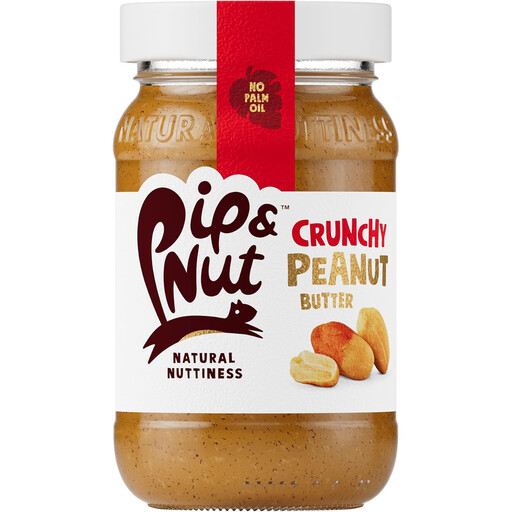
Why This Fits Their Persona: This is for the individual who reads every label. They want clean ingredients and no unnecessary additives for their toast, porridge or smoothies.
It directly counters the "Healthy Halo" trap with a transparent list of just two ingredients: 99.4% hi-oleic peanuts and sea salt. There is no palm oil and no added sugar.
Contains high levels of monounsaturated fats from hi-oleic peanuts and delivers a high protein content of 27g per 100g.
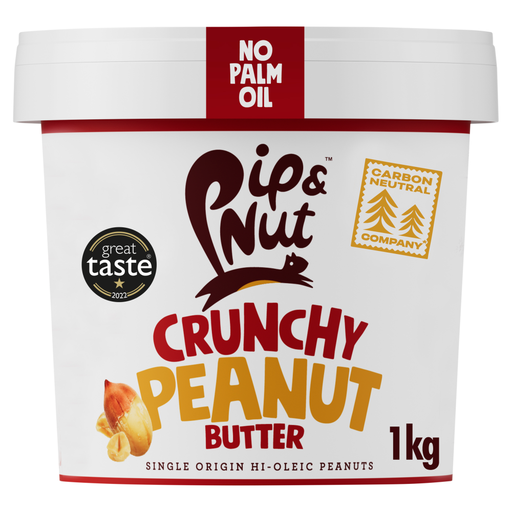
Why This Fits Their Persona: Perfect for families, athletes or anyone who considers peanut butter a daily staple. They need a high-quality product that does not break the bank when purchased frequently.
This 1kg tub directly solves the "Value Illusion". It provides the same premium, no-palm-oil recipe as the smaller jars but at a much more economical cost-per-gram.
Excellent value for heavy users without compromising on quality. The large format reduces packaging waste and ensures you are always stocked up.
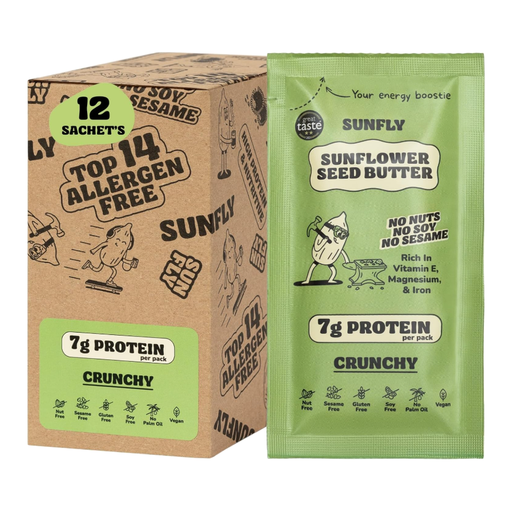
Why This Fits Their Persona: This is for parents packing school lunches or anyone with a nut allergy who misses out on crunchy spreads. Safety and convenience are their top priorities.
It provides a direct, safe and delicious nut-free alternative. It is made in a dedicated facility, eliminating cross-contamination fears that come with many other spreads.
Completely school-safe and free from the top 14 allergens. The individual 32g sachets are perfectly portioned for on-the-go snacking and lunchboxes.
We have compiled a complete, real-time list of products that fully satisfy these strict selection criteria and UK safety regulations.
Oil separation is a completely normal and expected sign in natural peanut butters that do not contain added emulsifiers like palm oil. The oil is simply the natural oil from the peanuts. It indicates that your spread is free from unnecessary stabilising agents. A quick, thorough stir is all that is needed to restore its creamy, consistent texture.
Yes, it is one of the more popular plant-based healthy spreads UK consumers choose for protein. Most quality crunchy peanut butters provide between 25g and 28g of protein per 100g. This makes it a valuable addition to a balanced diet, particularly for post-workout recovery or for adding a protein boost to meals and snacks.
Hi-oleic peanuts are a specific variety of peanut that contains a higher concentration of monounsaturated fat—the same type of 'good' fat found in olive oil and avocados. This gives them a slightly different fatty acid profile compared to standard peanuts. Brands like Pip & Nut and ManiLife use them for this reason, and many people find they have a subtly sweeter, richer flavour.