
24/7 Customer Support

Free returns

Same-day & Next-day Delivery

Quality Guaranteed

Unlock Your Welcome Offers: FREE Delivery | Up to 80% OFF | Free 30-day JoyPlus trial
Download the APP
From a simple spread on toast to a key ingredient in global cuisine, crunchy peanut butter and snacks are a staple in many UK households. Yet, the journey from shelf to pantry is often filled with confusing labels and hidden compromises. Many products marketed as "healthy" or "natural" can conceal added sugars, palm oil and artificial additives. This guide will help you navigate the market, understand what truly matters and find the right peanut product for your needs.
As the Joybuy Product Recommendation Officer, my role is to help you see past the marketing jargon. Let's look at the common pitfalls to avoid and the key factors to check before you buy.
To make a confident choice, focus on these three essential parameters. They will empower you to look beyond the front label and assess the true quality of the product.
The most reliable indicator of quality is the ingredients list. For a truly 100% peanut butter, the list should be incredibly short: peanuts and perhaps a little salt.
Not all roasts are created equal. The roasting process has a profound impact on the final flavour.
Your intended use will guide your choice.
Based on these criteria, here are a few standout options tailored to different needs and preferences.
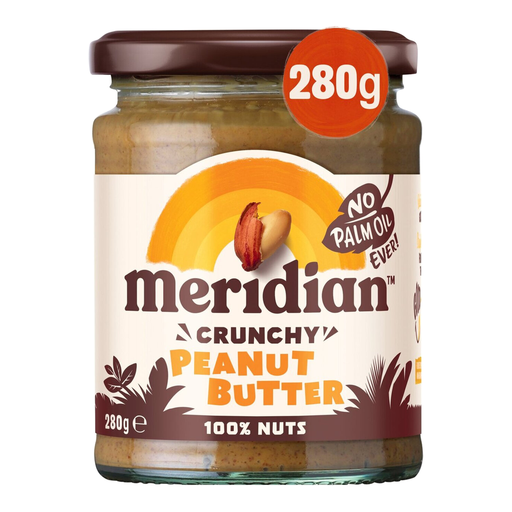
Why This Fits Their Persona: This is for the consumer who wants absolutely nothing but peanuts in their peanut butter. It's a staple for those on clean-eating plans or anyone who prefers to control their own salt and sugar intake.
It completely sidesteps the "Natural Illusion" trap. The ingredient list is simply "Roasted PEANUTS Skins On (100%)". There is no room for hidden sugars, salt or palm oil.
Made with 100% peanuts, with the skins left on for a richer flavour and added nutrients. It is naturally free from palm oil, added sugar and salt.
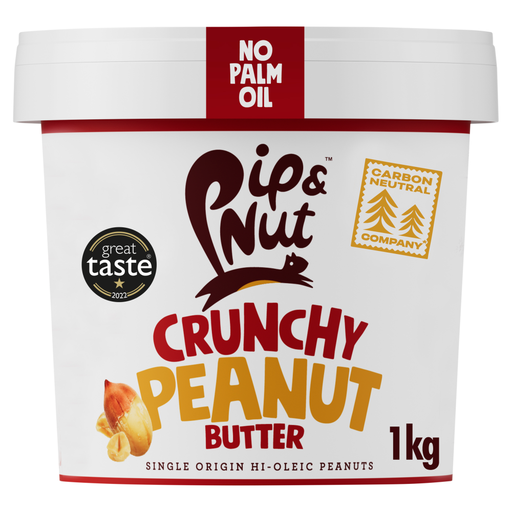
Why This Fits Their Persona: Perfect for families, fitness enthusiasts or anyone who gets through a lot of peanut butter. The 1kg tub is economical and reduces packaging waste, while still delivering a high-quality product.
This bulk buy doesn't compromise on quality. It avoids the trap of hidden additives by being completely palm oil-free and using just Argentinian hi-oleic peanuts and sea salt.
Excellent value in a large format. Made with hi-oleic peanuts, which are higher in monounsaturated fats than standard peanuts. High in protein and fibre.
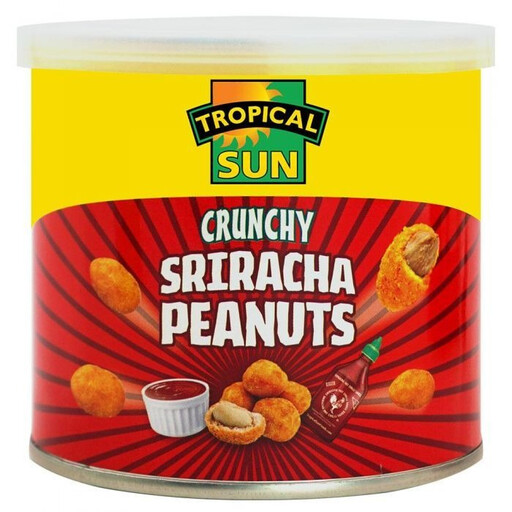
Why This Fits Their Persona: For the foodie who is bored with plain salted nuts and wants a snack with a kick. These are perfect for pairing with a cold drink, adding to a party snack bowl or even crushing over a noodle dish.
It avoids the "Flavour Without Substance" trap by using a real chilli sauce with chilli and garlic as key ingredients, delivering an authentic Southeast Asian flavour rather than a generic "spicy" powder.
A unique and bold flavour profile combining fiery chilli and pungent garlic. The crispy coating provides a satisfying textural contrast to the roasted peanut inside.
We have compiled a complete, real-time list of products that fully satisfy these strict selection criteria and UK safety regulations.
Many consumers prefer peanut butter without palm oil for both environmental and health reasons. From a product perspective, palm oil acts as an emulsifier, preventing the natural peanut oil from separating and creating a smoother, more consistent texture. Products without it, often labelled 100% peanut butter, will require a good stir before use. The choice comes down to personal preference: convenience and a consistent texture (with palm oil) versus a purer product that requires stirring (without palm oil).
The difference lies in the roasting time of the peanuts. A deep roast peanut butter is made from peanuts that have been roasted for longer at a high temperature. This results in a darker colour and a significantly richer, more intense and almost caramel-like flavour compared to the milder, nuttier taste of a standard roast. If you find regular peanut butter a bit one-dimensional, a deep roast variety is worth trying.
Because it lacks preservatives and stabilisers, natural peanut butter is best stored in a cool, dry place like a pantry or cupboard. After opening, ensure the lid is tightly sealed. While some people refrigerate it to slow down oil separation, this can make it very hard and difficult to spread. Most brands recommend storing it at room temperature and consuming it within three months of opening. Remember to give it a good stir when you first open it to mix the separated oil back in.