
24/7 Customer Support

Free returns

Same-day & Next-day Delivery

Quality Guaranteed

Unlock Your Welcome Offers: FREE Delivery | Up to 80% OFF | Free 30-day JoyPlus trial
Download the APP
Whether you need a lunchbox filler, a desk-drawer pick-me-up or something to share with friends, crunchy snacks come in a wide range of formats. From peanut snacks and spicy coatings to granola clusters, chocolate biscuit snacks and portioned spreads, the right choice depends on more than texture alone.
Joybuy Product Recommendation Officer guidance focuses on the details that are easy to overlook: allergen information, serving size, storage and whether the product suits the occasion.
Peanuts, seeds and nut snacks can provide protein, but they may also contain considerable fat, sugar or salt. For example, a peanut snack may offer around 17–24g of protein per 100g while still containing over 500 kcal per 100g. Check the per-serving figures, not only the front-of-pack wording.
Protein snacks such as peanut butter bars can be convenient after exercise or during a commute, but they should be selected according to your overall diet rather than treated as a substitute for a balanced meal.
A product labelled as peanuts may contain a coating made with wheat flour, starch, sugar, oils or seasonings. Spicy peanuts can include chilli, garlic, soya and mustard, while coconut peanuts typically contain wheat as well as coconut cream.
Read the ingredients list from start to finish. Ingredients are listed by weight, so the position of peanuts, sugar, coconut or seasoning helps you understand what the product mainly contains.
Crunch depends heavily on packaging and storage. A 400g or 500g bag may offer better value for sharing, but it can lose its crispness if it is left open. Look for resealable packaging, individual sachets or a storage instruction that suits how quickly you expect to finish the product.
For peanut butter, natural oil separation is not automatically a fault. It may simply require thorough stirring before use. Once opened, follow the label’s storage guidance and use-by recommendations.
UK food labels should identify relevant allergens, usually through emphasised text in the ingredients list. Common allergens across this category include:
Halal snacks and vegetarian or vegan products should be checked against the product packaging and certification details rather than assumed from the flavour or brand name. For instance, some coconut peanut products are listed as vegan and halal, while other coated snacks may contain egg, milk or soya.
Choose the format according to use:
Hard pieces may present a choking risk for younger children. Always follow the age and safety guidance printed on the packaging.
Use the nutrition table to compare products consistently. Peanut-based snacks can be energy dense, while coated or chocolate biscuit snacks may contain more sugar. Salt levels can also vary significantly between plain, garlic, wasabi and Sriracha varieties.
For everyday use, compare energy, saturates, sugars, fibre, protein and salt. A smaller 32g or 42g portion may be easier to manage than eating directly from a large bag.
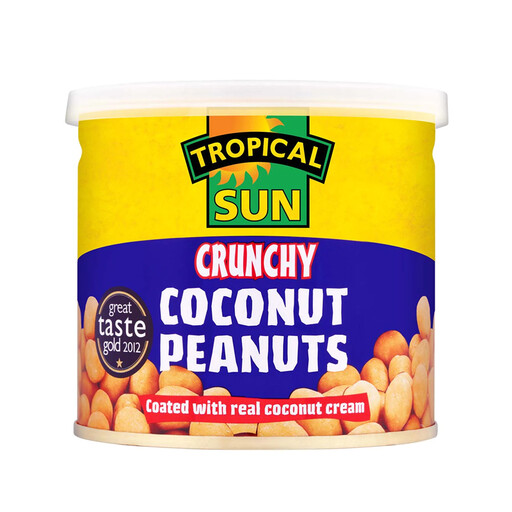
Why This Fits Their Persona: A manageable pack for shoppers trying international snacks without committing to a large tin. The sweet coconut coating and roasted peanut centre suit tea breaks, sharing and casual snacking.
The listing clearly identifies peanuts and wheat, plus a 53% peanut content and 3% coconut cream, helping shoppers understand the coated format.
165g size; 17g protein and 533 kcal per 100g; listed as vegan and halal.
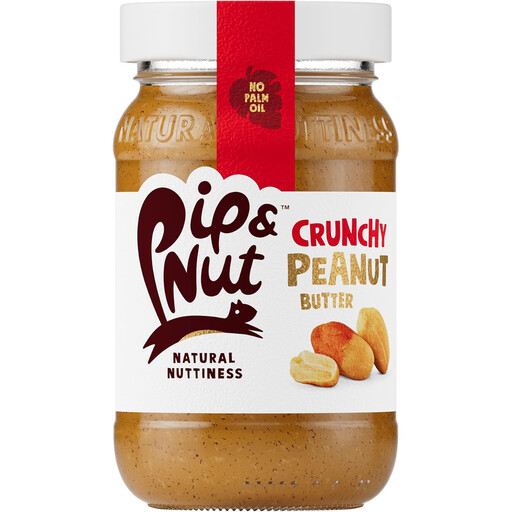
Why This Fits Their Persona: Suitable for shoppers wanting a simple spread for toast, porridge, smoothies or desserts, with a short ingredient list and visible crunchy pieces.
The ingredients list contains 99.4% hi-oleic peanuts and 0.6% sea salt, rather than a long list of sweeteners or flavourings.
300g jar; 27g protein and 7.5g fibre per 100g; no palm oil listed.
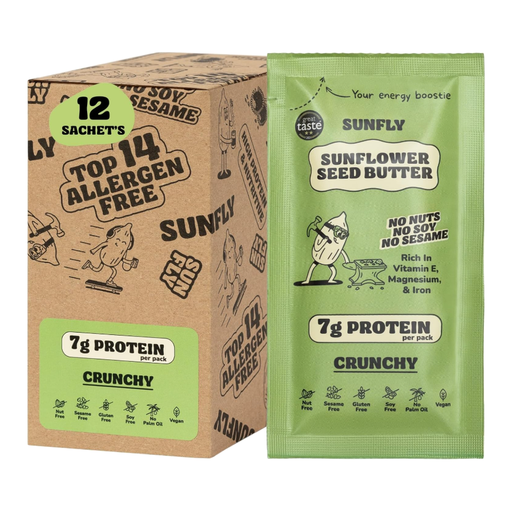
Why This Fits Their Persona: A practical option for travel, sports bags, work drawers and packed lunches where portion control and portability matter.
Each 32g sachet is individually portioned, reducing the need to handle a large jar and helping preserve freshness after opening.
12 x 32g sachets; 6.8g protein per sachet; sunflower-seed-based and listed without common allergens.
We have compiled a complete, real-time list of products that fully satisfy these strict selection criteria and UK safety regulations.
Some are, but check the school or nursery’s nut policy first. Peanut snacks, peanut butter and mixed nut snacks may be unsuitable where nut-free rules apply. Individual sunflower seed butter sachets can be considered where appropriate, but always review the full allergen statement and age guidance.
Store unopened products in a cool, dry place away from direct sunlight. After opening, reseal bags tightly or transfer contents to an airtight container. Peanut butter may need stirring because of natural oil separation, while coated snacks should be consumed promptly after opening to preserve their texture.
Choose compact, individually wrapped or resealable formats. Protein bars, 32g seed-butter sachets, 50g clip-strip packs and small chocolate biscuit snacks are convenient for bags and desk storage. For longer journeys, check packaging condition, allergens and whether the product could melt or soften in warm conditions.