
24/7 Customer Support

Free returns

Same-day & Next-day Delivery

Quality Guaranteed

Unlock Your Welcome Offers: FREE Delivery | Up to 80% OFF | Free 30-day JoyPlus trial
Download the APP
Navigating the world of children's toys can be a challenge, especially with popular brands that offer a wide variety of options. The Cry Babies doll range is a perfect example; with so many models that cry, walk and interact in different ways, how do you choose the right one for your child?
As the Joybuy Product Recommendation Officer, my role is to help you understand the key differences between these popular dolls. This guide will break down the features of the Cry Babies range, offering practical advice to help you find a toy that will genuinely delight your little one and support their developmental play.
Before diving into specific models, here are a few points to consider that can help narrow down your choice.
Consider what kind of play your child enjoys most. Are they a natural caregiver who loves feeding and comforting? A feeding doll with mealtime accessories might be a perfect fit. If they are more active and love to be on the move, a walking doll could encourage physical play. For children who enjoy collecting and customisation, the world of collectible mini dolls offers endless fun. Matching the doll's features to the child's play style is key to long-lasting engagement.
The signature feature of a Cry Babies doll is that it cries real tears, but the technology can differ. Some larger dolls use water to produce tears, while others feature safe, light-up LED tears. Beyond crying, these dolls offer a range of sounds, from giggles to babbles and movements. Understanding these different levels of interaction will help you choose an interactive baby doll that meets your expectations.
Most Cry Babies dolls are designed for children aged 18 months and up. However, it's always important to check the specific product recommendations. Some sets, particularly the Cry Babies Magic Tears range, contain small accessories like pacifiers and charms that could be a choking hazard for very young children. Always review the packaging for safety warnings to ensure the toy is appropriate for the child's age and developmental stage.
Here are our recommendations from the Cry Babies collection, chosen to highlight the different types of play they offer.
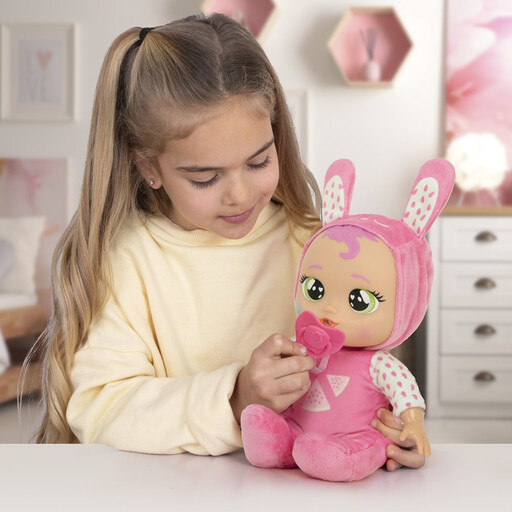
Why It Stands Out: The Cry Babies Meal Time Julie doll brings a fun and surprising twist to nurturing play. She is designed to react to her food accessories, happily accepting the "right" food but playfully spitting out the "wrong" one. This cause-and-effect feature adds an element of humour and discovery to pretend feeding sessions.
Pros:
Who is it for? This doll is ideal for toddlers and young children who are captivated by nurturing play toys and enjoy role-playing activities like feeding and caring for a baby.
View Cry Babies Meal Time Julie on Joybuy
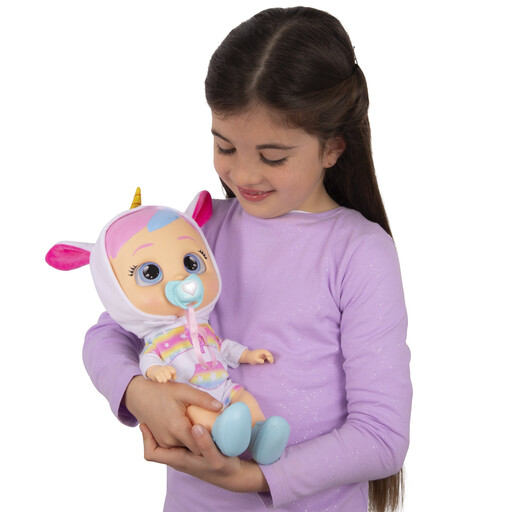
Why It Stands Out: The Cry Babies First Steps Dreamy doll encourages active play by taking her very first steps with a child's help. By holding her hands and guiding her forward, children can watch her walk while making cheerful baby sounds. This feature is excellent for promoting balance, coordination and movement.
Pros:
Who is it for? This walking doll is a great choice for active toddlers who are ready to move beyond stationary play and would enjoy the rewarding experience of helping their doll learn to walk.
View Cry Babies My First Steps Dreamy on Joybuy
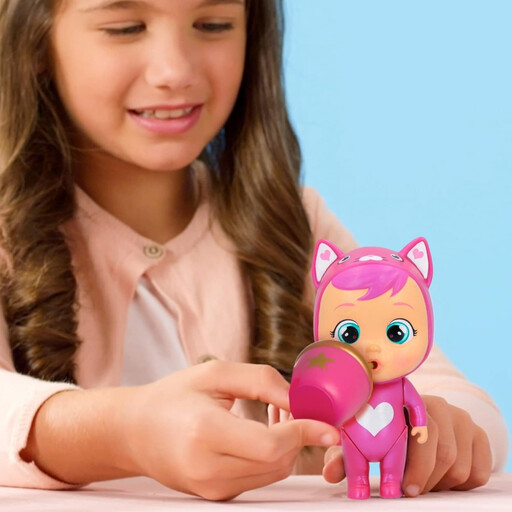
Why It Stands Out: Part of the Cry Babies Magic Tears collection, this Coney mini doll focuses on collectability and customisation. The set includes six charms that can be pinned onto the doll's pyjamas or attached to a wearable bracelet for the child. This adds a creative, fashion-forward element to the classic nurturing play.
Pros:
doll that cries real tears uses water for a realistic effect.Who is it for? This is perfect for children who love collectible mini dolls, surprises and personalising their toys. The wearable bracelet also makes it a fun accessory.
View Cry Babies Magic Tears Coney on Joybuy
The Cry Babies range offers fantastic interactive experiences, but they are just one part of the vast world of dolls available. If you're looking for different styles, features or characters, there are many other toddler dolls that encourage imaginative and nurturing play.
To discover a wider selection, we invite you to explore our full collection of toddler dolls.
Explore All Toddler Dolls on Joybuy
For the models that cry water-based tears, there is a small reservoir in the back of the doll's head. You can fill this with clean water using the provided bottle or a small funnel. Once filled, pressing a button or, on some models, gently squeezing the doll's head will cause tears to well up in her eyes. Models with LED tears do not require water.
Most dolls in the Cry Babies range are recommended for children aged 18 months and older. However, it is crucial to check the specific product's age grading and warnings. Sets like the Cry Babies Magic Tears often include small parts and are typically recommended for children aged 3 and up.
It depends on the model. The larger, more interactive dolls like the Cry Babies First Steps Dreamy or Cry Babies Meal Time Julie require batteries (usually AA or AAA) to power their sounds, movements and light-up tears. The smaller, collectible mini dolls that cry water tears typically do not require batteries. Always check the product description for battery requirements.