Cupboard-first meal planners
Keep dried pasta on hand to combine with staples such as tinned tomatoes, beans or lentils when plans for fresh ingredients change. Tesco Real Food describes pasta and tomato sauce as a storecupboard meal option.


For flexible meals assembled from cupboard staples, keep dried pasta in a shape that works with the dishes you make, then add ingredients such as tinned tomatoes or pulses when cooking. Choose wholewheat when a higher-fibre option suits your diet, or specifically labelled gluten-free pasta when gluten avoidance is required. Small shapes suit soup-style dishes, while a jarred sauce reduces preparation steps but needs its own ingredient and allergen check.
Keep dried pasta on hand to combine with staples such as tinned tomatoes, beans or lentils when plans for fresh ingredients change. Tesco Real Food describes pasta and tomato sauce as a storecupboard meal option.
Consider wholewheat pasta if it suits your diet, and plan what vegetables and protein foods to serve with it. The NHS names wholewheat pasta as a higher-fibre or wholegrain choice.
Distinguish wheat pasta from specifically labelled gluten-free pasta, and check sauces separately for ingredients and allergens. Barilla lists a corn-and-rice gluten-free pasta range; Dolmio lists milk in its creamy tomato pasta-bake sauce.
For meals built from cupboard ingredients, settle any dietary requirement first, then choose a format and pack size you can use and store.
| Concern | What to check | Who this matters to |
|---|---|---|
| Storage and flexibility | Check the pack’s storage directions and date label; choose a shape suited to your usual dishes. | If plans change, I want dry pasta ready to combine with other cupboard ingredients. About 31% of consumers put that flexible meal base first. |
| Pack size | Choose a quantity that fits your cupboard and the meals you expect to make. | A large pack takes up space, so I would rather keep an amount I can use across planned meals. For about 25% of consumers, a manageable pack is the primary concern. |
| Wholewheat option | Look for wholewheat pasta if suitable; consider the other ingredients needed for the meal. | I want a higher-fibre pasta choice alongside vegetables and a suitable protein food. That is the leading need for about 19% of consumers. |
| Dietary suitability | For gluten avoidance, check the exact pasta label; read any sauce’s ingredients and allergen declaration separately. | Before I choose a shape or sauce, I need to know whether each product meets my dietary requirements. About 25% of consumers place that check first. |
GOV.UK lists dried pasta among foods carrying a best-before date, which concerns quality; a use-by date concerns food safety.
Read the date type and storage directions on the product you buy. Do not apply best-before guidance to a use-by product.
Recipes vary. Dolmio lists milk in its creamy tomato pasta-bake sauce, so another sauce in the range cannot stand in for that jar’s allergen information.
Check the current jar’s ingredients, allergens and nutrition panel, including per 100g values if you are comparing sauces.
Wholewheat is a wheat-based choice. The NHS identifies it as a higher-fibre option, but that does not make it suitable for someone who needs to avoid gluten.
Choose according to the requirement: wholewheat if suitable and wanted, or specifically labelled gluten-free pasta when gluten avoidance is necessary.
Barilla’s UK range includes conventional shapes, wholegrain pasta and gluten-free pasta, offering different formats for cupboard meals.
Tesco’s grocery catalogue lists dried pasta in several shapes and pack sizes, including quick-cook, wholewheat and free-from options.
Dolmio makes jarred sauces that can be paired with dried pasta or used for a pasta bake.
These selections cover wholewheat pasta, gluten-free lasagne and a portioned flavoured pasta meal. The flavoured bowl is a different choice from plain pasta for mixing with your own ingredients.
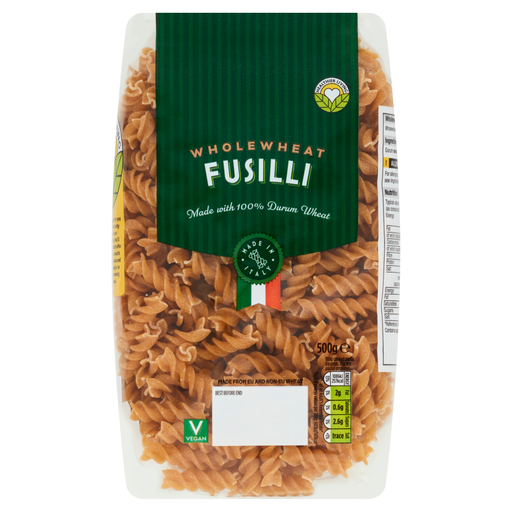 Image unavailable
Choose this dried fusilli if you want a wholewheat pasta for meals assembled with your own sauce and other ingredients. It contains wheat, so it is not the gluten-free option; wholewheat may also be unsuitable for someone following a clinically advised low-fibre diet.
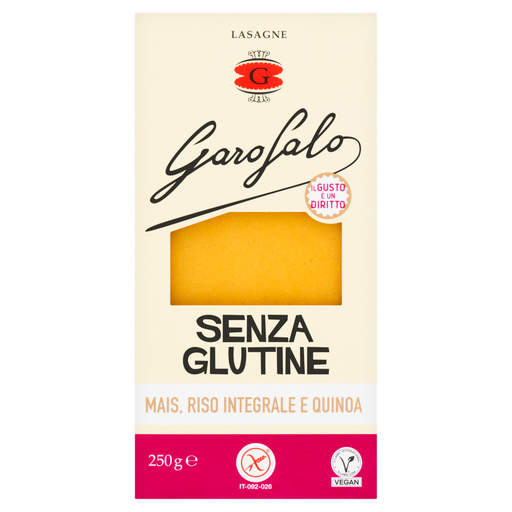 Image unavailable
Consider this specifically labelled gluten-free lasagne when you are planning a baked pasta dish rather than looking for a general-purpose shape. Check the current pack for your dietary requirements, its date and storage directions before stocking up.
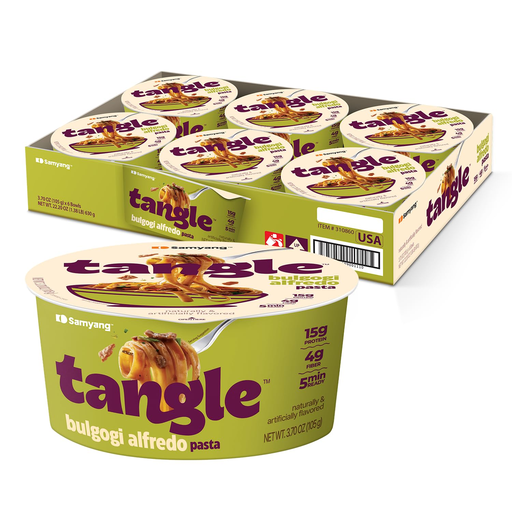 Image unavailable
This case of six flavoured bowls suits someone seeking a portioned pasta meal rather than plain pasta to use across different recipes. The listing flags wheat and soya; check the current pack for allergens, storage and preparation directions.
Yes, when it is stored as its pack directs. GOV.UK lists dried pasta as a best-before food, and Barilla advises keeping its pasta in a cool, dry cupboard or pantry.
A best-before date concerns quality, unlike a use-by date, which concerns food safety. Check the pasta’s storage directions and condition; do not apply this distinction to a food labelled with a use-by date.
Consider wholewheat pasta if it suits your diet. The NHS names it as a higher-fibre or wholegrain choice; it remains wheat-based and may not suit someone following a clinically advised low-fibre diet.
Choose specifically labelled gluten-free pasta when gluten avoidance is required, then check the current pack. Read a sauce’s label separately: Barilla describes a corn-and-rice gluten-free pasta range, while Dolmio lists milk in its creamy tomato pasta-bake sauce.
A jarred sauce can reduce preparation, but you still need to choose the pasta and any other ingredients you want to serve with it. Check that particular sauce’s cooking directions, ingredients and nutrition panel rather than assuming jars are interchangeable.