
24/7 Customer Support

Free returns

Same-day & Next-day Delivery

Quality Guaranteed

Unlock Your Welcome Offers: FREE Delivery | Up to 80% OFF | Free 30-day JoyPlus trial
Download the APP
Finding suitable curly hair products can be difficult when labels promise instant definition, long-lasting moisture and humidity protection. A product that works well for loose waves may leave coily hair under-conditioned, while a rich curl cream can flatten fine curls. The right choice depends on your hair’s texture, porosity, density and daily styling needs.
This guide explains the main buying pitfalls, the specifications worth checking and a selection of products for different UK haircare routines.
Strong hold is not automatically better. A mousse, jelly or defining spray may shape curls, but dry or damaged hair can still feel rough if the routine lacks conditioning ingredients. Look for a balance between moisture, slip and hold, rather than selecting the product with the strongest styling claim.
Ingredients such as glycerin, panthenol, aloe vera, shea butter, rosehip oil and hyaluronic acid derivatives can support a moisturising routine. However, individual results vary, particularly in damp UK weather. Use a small amount first to avoid creating heavy, coated curls.
Some anti-frizz hair products are designed to create a smooth, brushed finish using heat and tension. This may not suit someone who wants soft, separated curls. Heat-activated smoothing sprays can be useful for sleek styling, but curl-focused sprays, creams and jellies are generally more appropriate for maintaining natural shape.
Check the directions carefully. A product that requires blow-drying may not be suitable for an air-dry routine or for anyone trying to minimise heat styling.
A product described as suitable for all curls may still behave differently on fine waves, dense coils and colour-treated hair. Pay attention to the texture of the formula:
Patch-test new products on a small area of skin, follow the packaging directions and stop using a product if irritation develops.
People with fine, loose waves may prefer lightweight curl defining products, such as a spray or mousse. These can provide shape without making the roots appear flat. Medium to thick curls may benefit from a cream or jelly with conditioning agents.
For products for wavy and coily hair, application is equally important. Start with a small amount on damp hair, distribute through sections and scrunch. Add more only where definition is needed.
A sulphate-free shampoo for curly hair may be preferable if your hair feels dry after washing or if you regularly use styling products. Check the full ingredient list rather than relying only on front-label wording. Some shampoos use alternative cleansing agents, and the result can still vary according to hair type and washing frequency.
The John Frieda Dream Curls Shampoo range is labelled sulphate-free and SLS/SLES-free, with a formula intended for curly and wavy hair. It is available in both 250ml and 500ml sizes, which can help you compare convenience and value.
The UK’s changing weather makes humidity protection for hair a practical consideration. Look for products that specifically state how they are applied and whether they need heat activation. A curl jelly or defining cream may help hold shape, while a refreshing spray is more convenient between wash days.
Do not layer several heavy products immediately. Build your routine gradually so you can identify which formula is responsible for softness, definition or unwanted build-up.
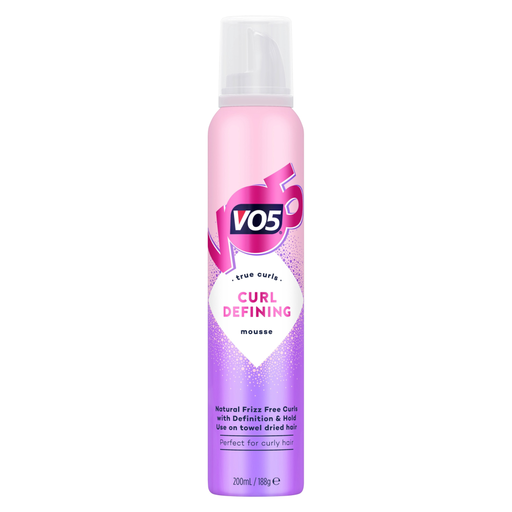
Why This Fits Their Persona: A practical starting point for shoppers who want lightweight definition, volume and a straightforward styling step for wavy or curly hair.
The mousse format avoids committing to a heavy cream or rich leave-in before you know how much weight your curls can handle.
The 200ml mousse is designed for curl definition, frizz control and volume, with stated heat-protection properties.
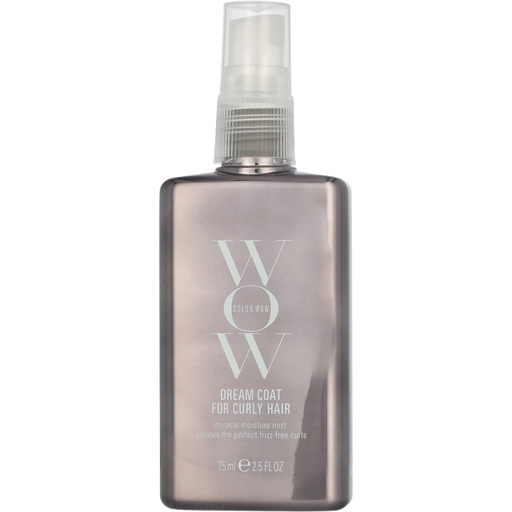
Why This Fits Their Persona: A compact option for shoppers who want one curl-focused spray for definition, hydration and styling on trips or busy weekdays.
Its directions specify application to clean, damp, towel-dried hair and allow air-drying or diffusing, making the usage method clear.
The 75ml spray contains glycerin, hydrolysed keratin and styling polymers, with stated 24-hour frizz control and heat protection.
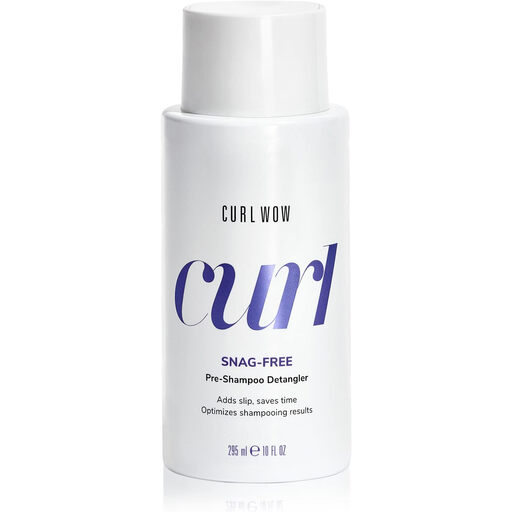
Why This Fits Their Persona: Suitable for people with dense, coily or frequently tangled hair who need a dedicated pre-wash step before shampooing.
It is used before shampooing, so detangling is treated as a separate step rather than relying on a styling product to solve severe knots.
The 295ml spray contains cetrimonium chloride, panthenol and glycerin, and is designed to rinse away during shampooing.
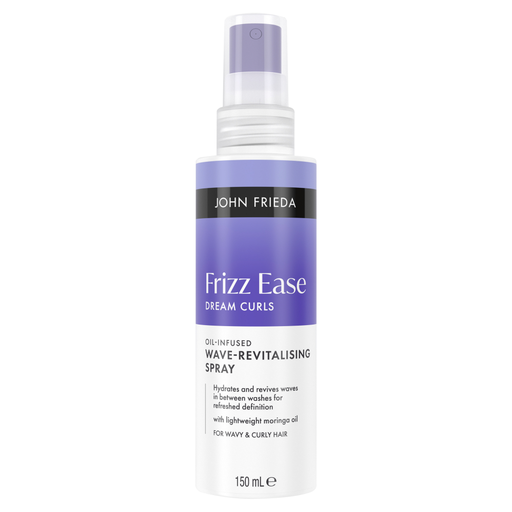
Why This Fits Their Persona: A convenient choice for commuters, gym users and anyone wanting to revive curls or waves between washes without fully restyling.
The instructions specifically allow use on dry or damp hair and advise starting with a small amount, helping reduce over-application.
The 150ml spray is formulated with moringa oil and styling polymers, and is listed as free from silicones, sulphates and ethanol.
We have compiled a complete, real-time list of products that fully satisfy these strict selection criteria and UK safety regulations.
A useful routine does not need every product category. Start with:
Cleansing frequency depends on your scalp, lifestyle and product build-up. Styling products can be used whenever needed, but apply them sparingly and clarify or cleanse thoroughly if hair starts to feel coated, dull or difficult to reshape.
A mousse is often easier to use on fine hair because it provides lightweight body and definition. A curl cream may be more suitable for thicker, drier curls, although the amount applied matters. Start with a small quantity and assess the result after drying.
Yes, but choose according to your styling goal. Curl jellies and defining sprays can help maintain curl shape, while heat-activated smoothing treatments are designed for a sleeker finish. Always check whether the product needs blow-drying and whether it is intended for damp or dry hair.