
24/7 Customer Support

Free returns

Same-day & Next-day Delivery

Quality Guaranteed

Unlock Your Welcome Offers: FREE Delivery | Up to 80% OFF | Free 30-day JoyPlus trial
Download the APP
Curly, wavy and coily hair can change noticeably with the weather, water quality and styling routine. A product that feels light in a dry bathroom may leave hair limp in humid conditions, while a formula that provides strong hold can create stiffness or build-up.
The challenge is choosing curly hair products based on hair needs rather than impressive-sounding packaging. Whether you are comparing curl-defining products, anti-frizz hair products or a leave-in conditioner for curly hair, these checks can help you avoid wasted purchases.
A rich cream or oil blend may feel nourishing, but fine waves can quickly lose volume when overloaded. Look for the product texture and intended hair type. Lightweight curl sprays and mousses are often easier to distribute through fine or loose waves, while thicker curl creams and serums may suit dry, coarse or coily hair.
A product described as offering extended hold or humidity resistance may rely on film-forming ingredients. These can be useful for definition, but they may also create build-up if layered repeatedly without suitable cleansing. Alternate styling products where necessary and follow the label instructions rather than applying more for extra control.
“Natural”, “clean” and “salon-style” are broad marketing terms, not guarantees of suitability. Check for potential allergens, fragrance and ingredients you personally prefer to avoid. If your hair is coloured, seek clearly labelled colour-safe curl products. Those looking for sulphate-free curly hair products should still check the current packaging, as formulas can change.
Different products solve different parts of a curl routine:
A styling spray cannot necessarily replace a conditioner, and a rich pre-shampoo treatment is not intended to be left in the hair.
Fine 2A–2C waves often respond better to lightweight mousse or spray. Medium curls may benefit from a cream combined with a gel or flexible-hold spray. Dense 3C–4C curls and coils can require more slip for detangling and a richer conditioning layer. The product description may give a suggested curl range, but your strand thickness and porosity also affect the result.
Application instructions matter. Some products are intended for clean, damp hair; others can be applied to dry hair for refreshing. Heat-activated formulas require a specific blow-drying method, while aerosol mousses must be kept away from heat and flames. Always avoid eye contact, carry out a small patch or strand check if sensitivity is a concern, and keep products away from children unless they are specifically labelled for their age group.
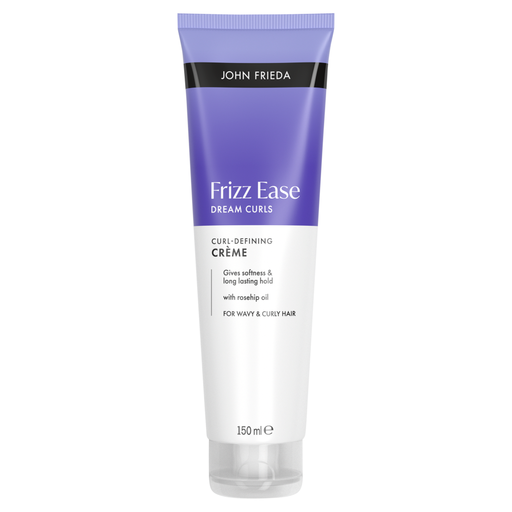
Why This Suits Their Persona: A straightforward option for shoppers beginning a curl routine, particularly those with 2A–3C curls who want one leave-in styling step.
The instructions recommend starting with a small, pea-sized amount, helping reduce the risk of over-application and weighed-down curls.
150ml format; designed for damp hair and small amounts can also be used to refresh curls on day two.
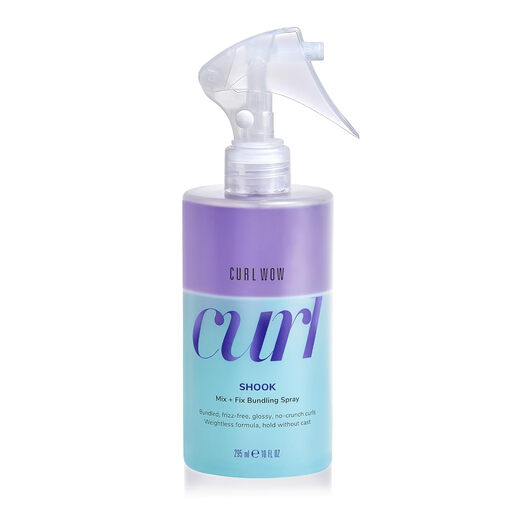
Why This Suits Their Persona: Suits shoppers who want a flexible spray that can be used alone or combined with other styling products for a customised finish.
The spray format makes it easier to apply through lengths in sections, rather than placing a large amount of cream in one area.
295ml size; can be applied to damp hair, diffused or air-dried, and reapplied to dry hair for a refresh.
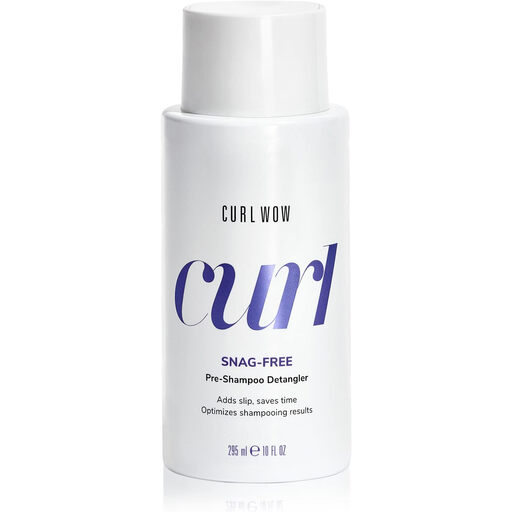
Why This Suits Their Persona: A practical match for dense, coily or frequently tangled hair where wash-day detangling is the main concern.
It is used before shampooing on dry, unwashed hair, so detangling is separated from the friction of the washing stage.
Designed for curly, coily and textured hair; 295ml size supports regular wash-day use.
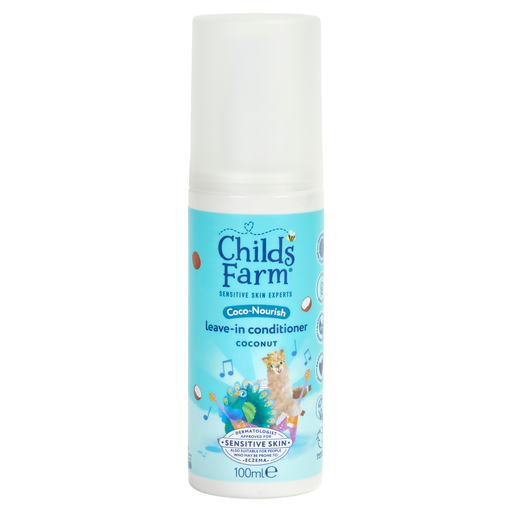
Why This Suits Their Persona: Suitable for parents seeking a simple curl-defining and detangling step labelled for children aged 0+ months.
The product is intended for wet or dry hair, helping parents avoid buying separate detangling and refreshing formats.
100ml spray; includes coconut, shea, baobab and tamanu oils; check the label before use.
We have compiled a complete, real-time list of products that fully satisfy these strict selection criteria and UK safety regulations.
Start with a gentle cleansing product, then use conditioner or a pre-shampoo treatment according to how easily your hair tangles. Apply styling products to damp hair in sections and scrunch rather than repeatedly brushing through the curl pattern. For second-day hair, use a small amount of curl refresh spray or water-based styling product, then reshape with your fingers.
If you use several curl gels, curl mousses or creams, clarify the routine when hair begins to feel coated or loses bounce. Product quantity matters as much as product choice: begin with less and add gradually.
A practical starting set is a suitable shampoo, conditioner or leave-in conditioner, plus one defining product. Choose a mousse or spray for lighter waves, and a cream or richer formula for drier, denser curls. Add a detangler if knots make wash day difficult.
Many people refresh between washes when curls lose shape, feel dry or become frizzy. Apply a small amount of curl refresh spray to dry or slightly damp hair and scrunch gently. Avoid repeatedly layering large amounts, as build-up can reduce movement and volume.
Not for everyone. Sulphate-free formulas may appeal to people who prefer gentler cleansing or find traditional shampoos drying, but suitability depends on the complete formula and your hair’s needs. Always check the current ingredient list and product directions before buying.