
24/7 Customer Support

Free returns

Same-day & Next-day Delivery

Quality Guaranteed

Unlock Your Welcome Offers: FREE Delivery | Up to 80% OFF | Free 30-day JoyPlus trial
Download the APP
Finding suitable curly hair products in the UK can be surprisingly difficult. A product may promise flexible hold yet leave hair stiff, or claim to control humidity without explaining whether it is designed for air-drying or heat styling. The right choice depends less on impressive packaging and more on your hair pattern, porosity, density and daily routine.
Hydrating ingredients such as glycerine, panthenol, oils and conditioning agents can improve softness, but they may not provide enough structure for curls that lose shape quickly. Conversely, a strong styling polymer may hold a curl pattern while leaving dry or coarse hair feeling rigid.
Look for a product that matches your priority:
Frizz caused by humidity is not the same as flyaways caused by static, dryness or mechanical friction. Some anti-frizz products for curly hair work by forming a coating that needs blow-drying to activate, while others are designed for scrunching and air-drying.
Check the directions carefully. A heat-activated humidity barrier may not be the practical choice if you normally let your hair dry naturally. Likewise, a lightweight refresh spray may not provide enough hold for a full wash-day routine.
Layering several products with similar film-forming ingredients can create build-up, dullness or limp curls. Those with fine hair may need lighter textures, while coarse, coily or very dry hair often benefits from richer conditioning products.
If your hair is colour-treated, check whether the product is labelled colour-safe and review the ingredient list. Fragrance ingredients can also matter if your scalp or skin is sensitive. Always follow the packaging directions and stop using a product if irritation occurs.
Hair classification is only a guide, but it can help narrow down products for curly hair, products for wavy hair and products for coily hair.
“Flexible hold” usually indicates movement rather than a firm cast. If you need curls to remain defined during commuting, work or overnight wear, compare the product’s directions and styling format rather than relying on the front label.
For a soft finish, apply a small amount and scrunch. For more definition, use sections and apply product evenly from mid-lengths to ends. Diffusing on a low setting can help shorten drying time while retaining shape.
Humidity-resistant hair products can be useful in wet or changeable conditions, but some require thorough blow-drying with tension. This is different from a curl refresher intended for dry hair.
Before purchasing, check:
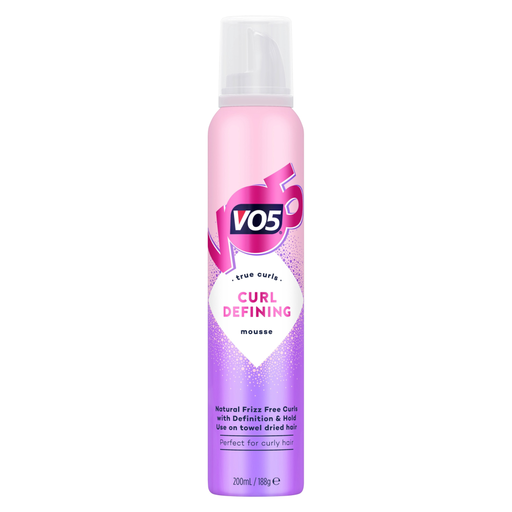
Why This Fits Their Persona: A practical starting point for people with wavy or curly hair who want lightweight shape, volume and a straightforward application method.
Its mousse format avoids the heavier feel that can occur when beginners apply too much cream or oil-based product.
200ml format; designed for scrunching into towel-dried hair; listed with heat-protection properties.
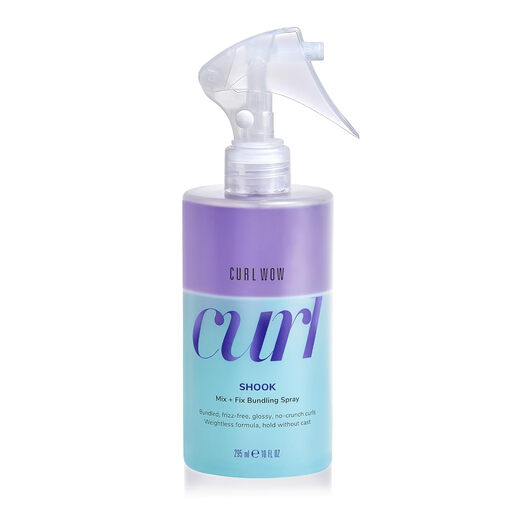
Why This Fits Their Persona: Suitable for shoppers seeking a flexible curl-defining spray that can be used alone or mixed with other styling products.
The directions explain use on damp hair, scrunching, air-drying or diffusing, helping shoppers match expectations to their routine.
295ml size; includes panthenol and hydrolysed keratin; listed as suitable for colour-treated hair.
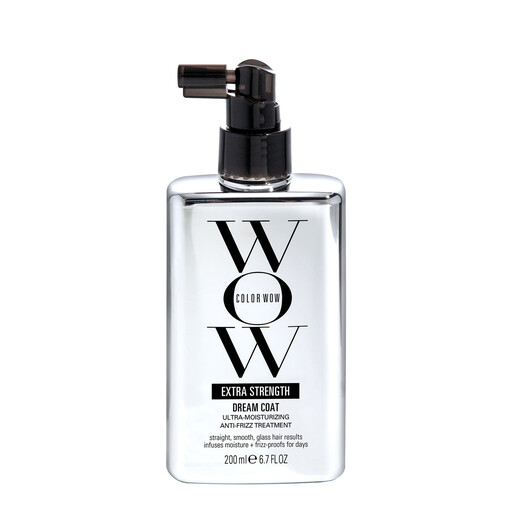
Why This Fits Their Persona: A targeted option for thick, coarse or highly frizz-prone hair exposed to damp commutes, rain and variable UK humidity.
It clearly requires thorough blow-drying to activate the formula, so buyers can decide whether the heat-based routine suits them.
200ml bottle; designed for humidity-related frizz; listed as suitable for colour-treated hair.
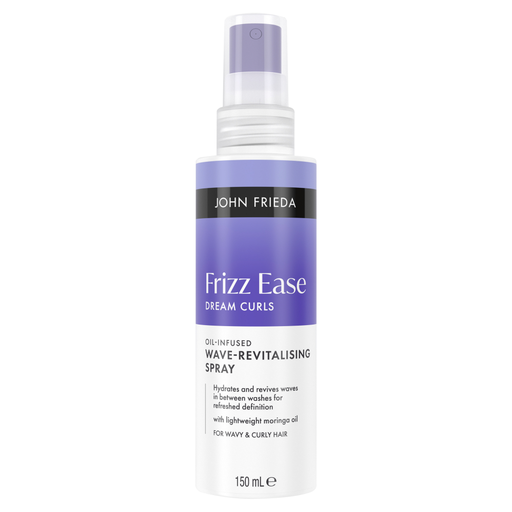
Why This Fits Their Persona: Useful for people who want to revive curls or waves between washes without adding water, shampoo or heat.
Its stated dry-hair application makes it distinct from wash-day styling products that need saturated, damp hair.
150ml format; includes moringa seed oil; listed as free from silicones, sulphates and ethanol.
We have compiled a complete, real-time list of products that fully satisfy these strict selection criteria and UK safety regulations.
Start with less product than you think you need, especially when combining curl defining products. Apply to wet or damp hair according to the label, distribute through sections and scrunch upwards to encourage the natural pattern. If your hair feels coated after drying, reduce the quantity or simplify the routine rather than adding another product.
For second-day styling, lightly mist a curl refreshing spray onto dry hair, then scrunch or twist individual sections. Avoid applying rich creams directly at the roots if volume is important. Keep aerosol mousses and hairsprays away from heat, flames and high temperatures, and follow all packaging warnings.
A lightweight mousse or flexible defining spray is often easier to control than a heavy cream layered with oil and gel. Start with one styling product, assess the result after drying, then adjust the quantity or add a conditioner-based product if your hair still feels dry.
Use them when curls lose shape between washes, following the product directions. A small amount is usually more practical than repeatedly saturating the hair. If the hair becomes dull, sticky or heavy, clarify according to your normal wash routine and reduce product layering.
Some are labelled colour-safe, but this varies by formula. Check the individual product description and packaging rather than assuming every anti-frizz spray is suitable. Also follow the recommended heat-setting method, as a humidity barrier designed for blow-drying may not perform as intended when air-dried.