
24/7 Customer Support

Free returns

Same-day & Next-day Delivery

Quality Guaranteed

Unlock Your Welcome Offers: FREE Delivery | Up to 80% OFF | Free 30-day JoyPlus trial
Download the APP
Finding suitable curly hair styling products can be surprisingly difficult. A spray that gives bounce to fine waves may leave dense curls under-supported, while a rich cream can make lightweight hair look flat. UK weather adds another challenge: damp, rainy conditions can quickly expose weak hold and poor frizz control.
Before buying, look beyond phrases such as “all-day definition” or “salon finish”. The formula, application method and level of hold are more useful indicators of whether a product fits your routine.
Strong hold does not automatically mean better results. Fine or wavy hair may become stiff or weighed down when layered with heavy creams and sprays. Coily or dense hair may need more moisture and a structured styling routine before a hairspray can maintain the shape.
Choose based on your texture:
Frizz can be influenced by moisture levels, friction, heat, humidity and the way hair is dried. A product labelled as an anti-frizz curl product may help smooth the surface, but it cannot replace gentle detangling, suitable conditioning or careful drying.
Also check whether the formula contains fragrance, silicones, alcohol or ingredients you prefer to avoid. The full ingredient list on the packaging is the most reliable reference, particularly for colour-treated or sensitive hair.
A larger product may cost less per millilitre, but usage varies considerably. A concentrated curl cream may require only a pea-sized amount, whereas a spray could be applied more liberally. Aerosol products also need appropriate storage and disposal.
Compare net content, recommended application and how often you style. A smaller bottle can also be practical for travel, gym bags or testing whether a formula suits your hair.
Look for a texture that matches your hair’s density. Glycerin, panthenol, plant oils and conditioning agents may support a softer feel, while polymers can provide structure and shape retention. However, ingredient performance varies between formulas, so start with a small amount and build gradually.
For dry curls, a curl cream or leave-in product may provide more conditioning than a mousse. For fine products for wavy hair, a spray or mousse can deliver definition with less residue.
A soft hold supports movement and touchable texture. A firm hold is more suitable when you need long-lasting curl hold, a defined updo or extra resistance during wet UK weather. Flexible hairspray can be applied after styling, while mousse and cream are generally worked through damp hair.
If you dislike crunch, check whether the product is designed to brush out, layer or restyle. No formula will suit every curl pattern, so application quantity matters as much as the advertised hold.
If you use a diffuser, check whether the product is described as offering heat protection for curls. Apply styling products evenly before drying and use a low or moderate setting where possible.
For humid conditions, look for wording such as humidity-resistant hair styling, but treat this as a formulation feature rather than a guarantee in every climate. Spray lightly and allow the style to set before handling it.
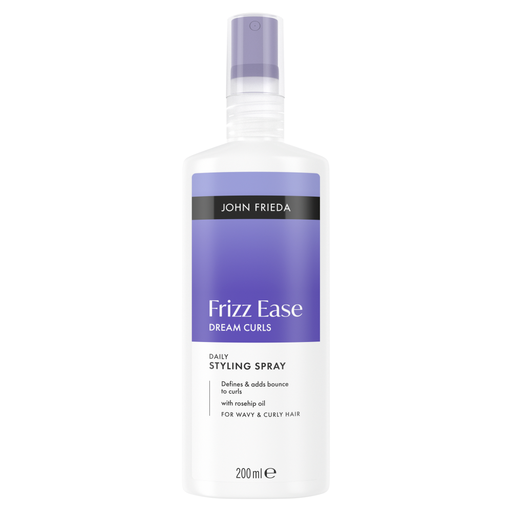
Why This Fits Their Persona: A straightforward option for people beginning a curl routine or refreshing waves between washes. It can be applied to damp hair and scrunched before air-drying or diffusing.
The spray format makes it easier to control quantity than a dense cream. Its listed features include frizz smoothing, curl definition and heat protection.
200ml size; listed as vegan and suitable for colour-treated hair; includes rosehip oil and heat protection.
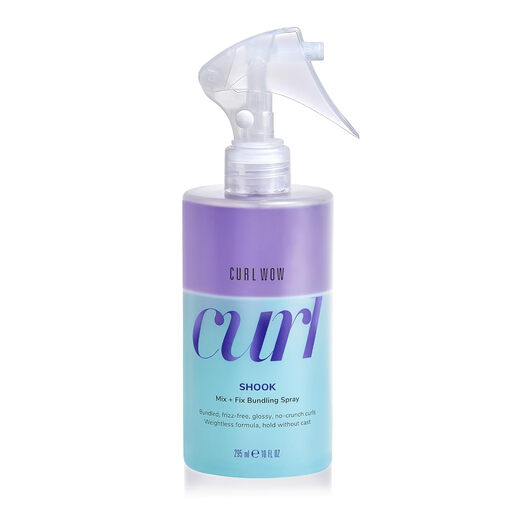
Why This Fits Their Persona: Suitable for shoppers who want to adjust their routine and combine products for different finishes, whether styling loose waves or more defined curls.
It is positioned as a lightweight spray that can be used alone, mixed with other products or reapplied to dry hair, helping avoid a one-product-fits-all routine.
295ml size; designed to bundle curls and waves; listed as suitable for colour-treated hair.
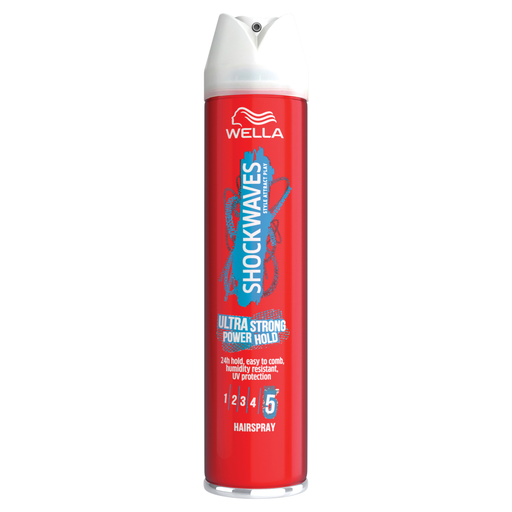
Why This Fits Their Persona: A practical finishing spray for elaborate styles, outdoor events or anyone who needs stronger fixation after curls have been formed.
It is used on dry, styled hair rather than replacing a defining cream or mousse. The listed formula is designed to provide strong hold with a non-sticky, brushable finish.
250ml aerosol; listed humidity resistance and UV protection; intended for application around 20cm from the hair.
We have compiled a complete, real-time list of products that fully satisfy these strict selection criteria and UK safety regulations.
Apply styling products to clean, damp hair unless the label states otherwise. Divide dense hair into sections so the product reaches the lengths evenly. Scrunch upwards to encourage curl formation, then air-dry or use a diffuser on a suitable setting.
For second-day hair, mist a curl refresh spray onto dry sections and reshape with your fingers. Use a very small amount of curl cream where needed rather than coating the whole head. Finish with hairspray only after the curls have dried and settled.
Check packaging warnings carefully. Aerosols are flammable and must be kept away from heat, flames and temperatures above the stated limit. Avoid contact with the eyes, use products externally only and discontinue use if irritation occurs.
Start with a lightweight curl defining spray or curl mousse. Apply a modest amount to damp hair and avoid layering several rich products at once. If the result lacks hold, add a light hairspray after drying.
Use a defining product first and a humidity-resistant finishing spray where appropriate. Allow hair to dry fully before brushing or touching it, as handling damp curls can increase frizz. Results depend on hair type, weather and application.
Shelf life varies by formula and packaging. Check the product label, batch information and any open-jar symbol. Store creams and sprays in a cool, dry place, and follow aerosol safety instructions. A change in smell, colour or texture is a reason to stop using the product.