
24/7 Customer Support

Free returns

Same-day & Next-day Delivery

Quality Guaranteed

Unlock Your Welcome Offers: FREE Delivery | Up to 80% OFF | Free 30-day JoyPlus trial
Download the APP
A truly great curry made at home is a joy, but navigating the world of curry ingredients can often lead to disappointment. You might buy a powder labelled "hot" only to find it lacks any real punch, or an "authentic" paste that delivers a generic, one-note flavour. Many home cooks in the UK find themselves with cupboards full of products that don't live up to their promise.
This guide is designed to help you bypass the common pitfalls. We will break down the essential factors to consider, ensuring your next purchase of curry ingredients results in a delicious, satisfying meal, whether you're craving a rich Japanese katsu or a fiery Caribbean stew.
Before you add anything to your basket, be aware of these frequent issues:
To make a confident choice, focus on these three core parameters.
The format of your curry ingredients dictates the cooking process and final texture.
Don't just look for "curry." Look for the region to get the flavour you expect.
To avoid disappointment, look for more detail than just a single word. Some packaging may specify the type of chilli used or provide a numbered heat scale. For a medium hot curry, you want a pleasant warmth that complements the other spices. For a truly fiery experience, look for products specifically labelled extra hot Japanese curry or those that mention potent chillies in their ingredients.
We have matched some standout curry ingredients to different home cook profiles, helping you find the right product for your kitchen.
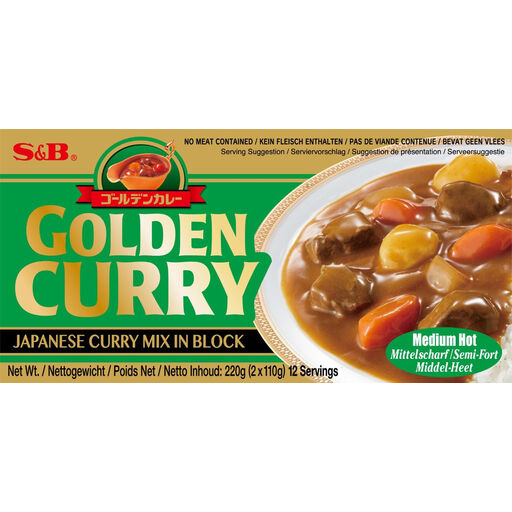
Why This Fits Their Persona: This is the ideal solution for a quick, satisfying and family-friendly meal. The roux block format removes all the guesswork from making a thick, flavourful Japanese curry sauce, perfect for serving over rice or with chicken katsu after a long day.
It solves the "problematic format" pitfall. The solid curry block melts smoothly and evenly, creating a lump-free sauce every time without the risk of separation or a gritty texture.
Delivers a consistent and reliable flavour and texture. The medium hot curry level is balanced, making it suitable for a wide range of palates.
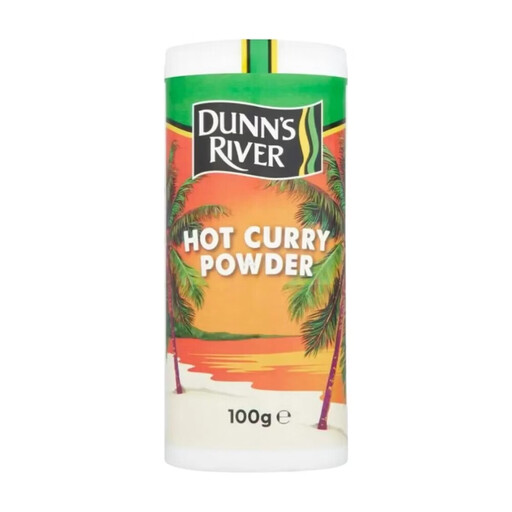
Why This Fits Their Persona: For the cook who wants to recreate the specific, vibrant taste of the islands. This powder is perfect for making dishes like goat curry or curried chicken with a flavour profile that is distinctly Caribbean, not just generically "spicy."
It sidesteps the "authentic flavour myth" by providing a genuine Caribbean curry powder blend, including key spices like mustard and fennel that set it apart from South Asian varieties.
The powder format allows for complete culinary control, enabling you to build layers of flavour. The "Hot" rating delivers a satisfying and robust heat.

Why This Fits Their Persona: This is for the home cook who is consistently underwhelmed by products labelled "hot." This extra hot Japanese curry delivers a powerful, lingering heat that stands up to rich ingredients like fried pork or beef, providing a genuinely spicy challenge.
It directly solves the "inconsistent heat levels" trap. The "Extra Hot" label is accurate, providing a level of spice that is noticeably more intense than standard hot varieties, satisfying those with a high tolerance for heat.
Combines intense heat with the signature savoury-sweet flavour of Japanese curry. It uses the same convenient roux block format for a thick, easy-to-make sauce.
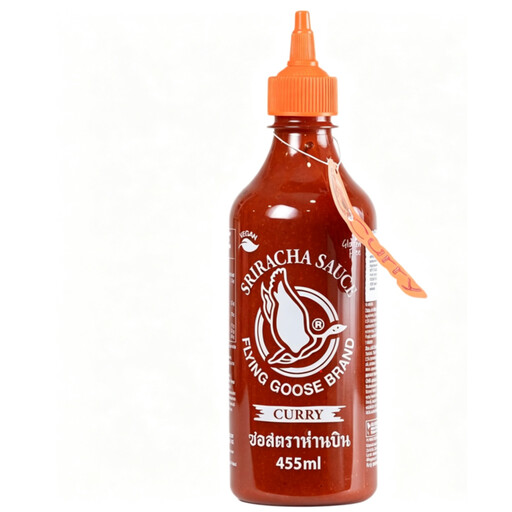
Why This Fits Their Persona: This isn't a traditional curry base, but a versatile condiment for the modern foodie. It's perfect for drizzling over noodles, adding a kick to marinades or using as a dip, combining the familiar tang of Sriracha with the aromatic warmth of curry spices.
By being a unique fusion product, this Flying Goose sriracha curry avoids the "authenticity" trap entirely. It creates its own flavour category, offering a novel taste experience rather than a traditional one.
Extremely versatile and ready to use straight from the bottle. It adds instant, complex flavour to a huge variety of dishes with zero preparation time.
We have compiled a complete, real-time list of products that fully satisfy these strict selection criteria and UK safety regulations.
A Japanese curry roux is a solid block made from flour, oils and a blend of sweet and savoury spices. It's designed to be a complete sauce base that creates a thick, mild and slightly sweet curry. An Indian curry powder is a dry mix of ground spices like turmeric, cumin and coriander. It provides the flavour foundation, but you need to build the sauce yourself using other ingredients like onions, ginger, garlic and tomatoes, giving you more control over the final taste and consistency.
The most common reason for a raw or powdery taste is that the spices haven't been cooked enough. To solve this, always "bloom" your curry powder. Heat a little oil or ghee in your pan, add the powder, and stir it constantly over medium-low heat for about 60 seconds until it becomes fragrant. This process cooks the raw spices and releases their essential oils, resulting in a much deeper and smoother flavour.
For curry powder, transfer it to an airtight container and store it in a cool, dark cupboard away from sunlight and heat. This will help it retain its potency for up to six months. For a curry block or roux, it's best to keep any unused portions in an airtight container in the refrigerator. This prevents it from absorbing other odours and helps maintain its texture. Always check the packaging for specific storage instructions.