
24/7 Customer Support

Free returns

Same-day & Next-day Delivery

Quality Guaranteed

Unlock Your Welcome Offers: FREE Delivery | Up to 80% OFF | Free 30-day JoyPlus trial
Download the APP
Curry instant noodles can be a practical cupboard staple for students, busy professionals, families and anyone who wants a hot meal without extensive preparation. However, the range includes small snack cups, bulk noodle packs, Japanese curry ramen, masala noodles and laksa kits, so choosing by flavour name alone can lead to disappointment.
This guide explains the main buying pitfalls, the product details worth checking and our top recommendations for 2026, based on preparation time, pack size, ingredients and intended use.
A 63–90g pot or packet may suit a light lunch or snack, but it may not be enough for a substantial dinner. King-size pots and noodle kits can provide a larger portion, while multipacks offer convenience rather than a larger individual serving.
Check the net weight and serving information before comparing prices. A low-cost single packet may appear attractive, but a larger multipack can be more practical if you regularly buy quick noodle meals.
Curry noodles can range from warm and aromatic masala seasoning to fiery chilli curry, creamy laksa or mildly sweet Japanese curry ramen. Product names do not always explain the heat level or texture.
Look at the ingredient list for chilli, cayenne pepper, coconut, lemongrass, galangal and curry spices. A laksa kit usually needs sauce preparation and may contain prawns, while a basic instant curry noodle packet is generally designed for boiling water or a short stovetop cook.
Asian instant noodles and curry noodle kits may contain wheat, soya, milk, egg, mustard, peanuts, sesame, fish or crustaceans. Laksa products commonly include prawn ingredients, even where the product name focuses on noodles or curry.
Always read the bold allergen information on the current UK packaging. Frozen wonton laksa products also require freezer storage, unlike ambient noodle packets. Check the best-before date, packaging condition and post-opening instructions before buying in bulk.
Choose the format that matches your routine:
Preparation times in this category commonly range from around 2 to 5 minutes, but follow the instructions on the packaging rather than relying on the product title.
For masala noodles, expect spices such as turmeric, cumin, coriander, chilli and cardamom. Japanese curry ramen may include clove, cinnamon, fennel or nutmeg, creating a rounded, savoury broth. Thai curry noodles and laksa kits often use coconut, lemongrass, galangal and chilli.
If you prefer stronger heat, products containing a separate chilli sachet allow some adjustment. For a milder meal, choose a curry cup or Japanese-style seasoning described with gentle spices, then add fresh chilli only if needed.
Instant noodles are convenient, but many contain seasoning, palm oil, flavour enhancers and notable levels of salt. Compare the per-serving nutrition panel, not just the per-100g values, and remember that adding sauces, stock or processed toppings may increase the overall salt content.
Vegetarian suitability varies. Some products are marked suitable for vegetarians, while laksa kits may contain shrimp paste or prawn. Noodle ingredients also differ: wheat noodles are common, while rice noodles may suit shoppers seeking a different texture. Neither option should be assumed suitable for an allergy without checking the label.
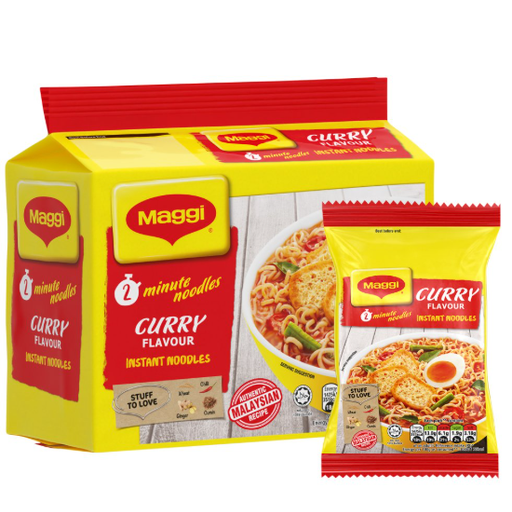
Why This Fits Their Persona: A five-pack gives students and first-time buyers several individual portions without committing to a large case.
The five 74g portions make the quantity clear, helping avoid mistaking a single snack packet for a multi-serving purchase.
Individual packets; wheat-based noodles with a curry seasoning sachet; suitable for quick stovetop preparation.
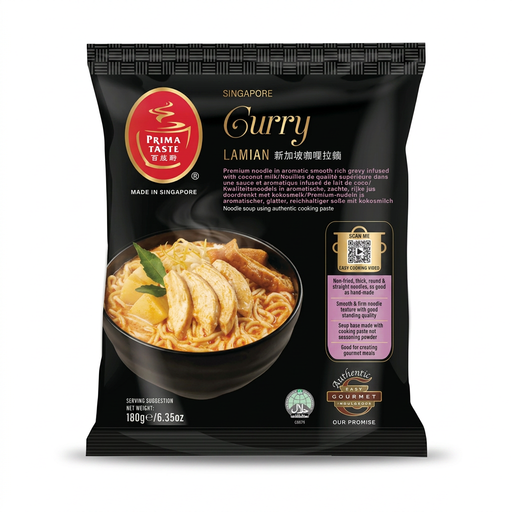
Why This Fits Their Persona: Suitable for shoppers wanting a more involved laksa-style bowl with separate noodles and curry paste.
The 178g kit is clearly positioned as a prepared noodle meal rather than a small cup snack; its ingredient list also identifies coconut, soya, wheat and shrimp.
Includes la mian noodles and laksa curry paste; instructions specify boiling the noodles and simmering the sauce.
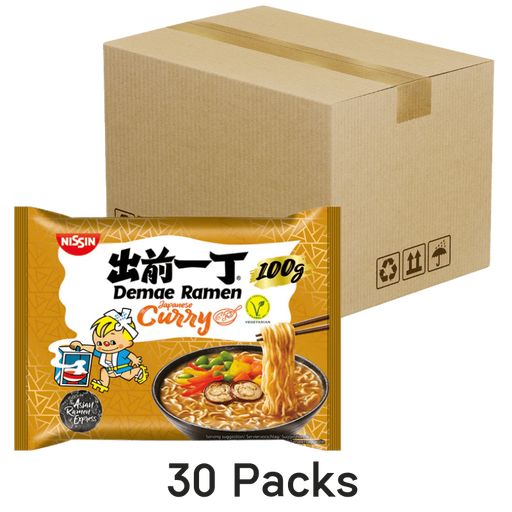
Why This Fits Their Persona: The 30-pack format suits shared households, office cupboards and regular buyers who want bulk instant noodles available.
The listed 30 x 100g quantity makes the stock-up purpose transparent, so shoppers can compare total weight rather than only the packet price.
Japanese curry seasoning; 30 individual packets; cooking instructions specify 500ml water and approximately 3 minutes.
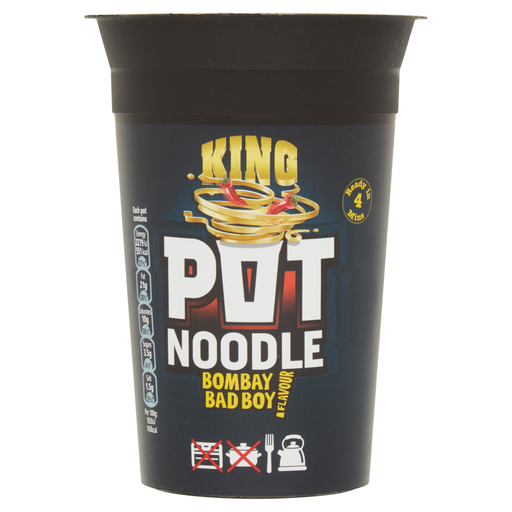
Why This Fits Their Persona: A king-size vegetarian pot with a separate chilli sauce sachet suits those who want a quick, strongly spiced lunch.
The 114g size is stated clearly and the chilli comes separately, allowing better control over the final heat level.
Ready with boiling water; includes a fiery chilli sauce sachet; product information lists it as suitable for vegetarians.
We have compiled a complete, real-time list of products that fully satisfy these strict selection criteria and UK safety regulations.
Yes. Cup noodles and packets can usually be prepared within a few minutes, making them suitable for work lunches, student kitchens and snacks. Kits may take longer because the sauce and noodles are prepared separately.
Unopened products generally keep until the best-before date printed on the packaging when stored correctly. Shelf life varies by product, so check each packet or outer carton rather than assuming every brand has the same storage period.