
24/7 Customer Support

Free returns

Same-day & Next-day Delivery

Quality Guaranteed

Unlock Your Welcome Offers: FREE Delivery | Up to 80% OFF | Free 30-day JoyPlus trial
Download the APP
A flavourful, aromatic curry is a staple in many UK households, offering a comforting and satisfying meal. With a good quality curry mix, you can recreate everything from a rich Japanese katsu to a classic chip shop curry in your own kitchen. However, the sheer variety of pastes, powders and blocks can be overwhelming, and not all products deliver on their promises. Many home cooks find themselves disappointed by a sauce that is bland, overly sweet or has a grainy texture.
As the Joybuy Product Recommendation Officer, my role is to help you navigate the options and find a curry mix that genuinely suits your needs. This guide will highlight the common pitfalls to avoid and break down the key factors to consider, ensuring your next home-cooked curry is a success.
Choosing the wrong product can lead to a disappointing meal. Here are three common traps to watch out for:
To avoid these issues, focus on a few core parameters that determine the quality and suitability of a curry mix.
The format of the curry mix dictates its use and final texture.
Don't just grab any "curry mix." Match the product to the specific dish you want to create.
Based on these criteria, here are a few recommendations tailored to different home cooks.

Why This Fits Their Persona: This is a go-to for a quick, crowd-pleasing weeknight dinner. The mild, slightly sweet flavour of this classic Japanese curry roux is a hit with both adults and children, and the large 220g pack contains enough for several family meals.
It delivers a consistent and recognisable Japanese curry flavour, not a generic one. The block format melts perfectly to create a thick, smooth sauce without any graininess.
Extremely convenient and reliable. The solid curry sauce block is easy to portion and guarantees a lump-free sauce every time.
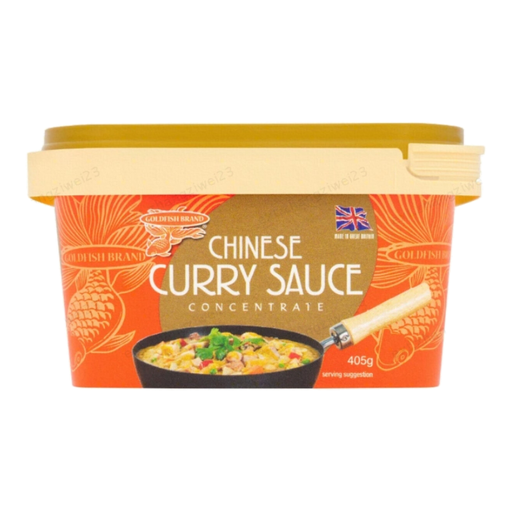
Why This Fits Their Persona: For anyone craving that specific, savoury flavour of a Chinese takeaway or chip shop curry, this concentrate is the perfect solution. It's designed explicitly to replicate that taste at home, making it ideal for pouring over chips or creating a quick chicken curry.
It sidesteps the "generic flavour" pitfall by targeting a very specific and beloved flavour profile. As a curry paste concentrate, you control the thickness by adding water, avoiding a thin or gloopy result.
Delivers the iconic Chinese curry concentrate flavour. The large 405g tub is economical and provides enough for many servings.

Why This Fits Their Persona: For those who find most "hot" curries to be a let-down, this Extra Hot version from S&B delivers a genuine, robust heat. It maintains the rich, aromatic base of the Golden Curry line while adding a significant and satisfying spicy kick.
This product directly solves the "unreliable heat level" problem. S&B's graded heat system is well-regarded for its consistency, so "Extra Hot" means exactly that.
Provides a strong, reliable level of spice without sacrificing the complex flavour of the underlying Japanese curry roux.
We have compiled a complete, real-time list of products that fully satisfy these strict selection criteria and UK safety regulations.
A curry sauce block, or roux, is a solid product made with flour, fat and spices. It's designed to melt into hot liquid and act as both the flavouring and thickening agent, creating a smooth, gravy-like sauce. It's most common in Japanese cuisine. A curry paste is a wet, concentrated blend of herbs and spices. It provides intense flavour but usually requires a separate liquid (like coconut milk or stock) and sometimes a thickener to achieve the desired sauce consistency.
To elevate any curry mix, start by sautéing fresh aromatics like chopped onion, garlic and ginger in a little oil until softened. This builds a fragrant base. Using a quality chicken or vegetable stock instead of plain water will also add significant depth. For a creamier finish, stir in a splash of coconut milk towards the end of cooking. A final squeeze of fresh lime or lemon juice can brighten up all the flavours.
This depends on the format. A dry Indian curry kit or powder can last for several months if stored in a cool, dark place in an airtight container. A wet curry paste or a solid curry sauce block has a shorter shelf life. Once opened, they should be kept in an airtight container in the refrigerator and are generally best used within 3-4 weeks to preserve their flavour and prevent spoilage. Always refer to the storage instructions on the packaging.