
24/7 Customer Support

Free returns

Same-day & Next-day Delivery

Quality Guaranteed

Unlock Your Welcome Offers: FREE Delivery | Up to 80% OFF | Free 30-day JoyPlus trial
Download the APP
A good curry can be the highlight of the week, but choosing the right curry mix from a crowded supermarket aisle can be a gamble. Many of us have been there: you follow the recipe, but the result is a bland, one-dimensional dish that tastes nothing like the vibrant meal you were hoping for. It's a common frustration that often stems from a few easily avoidable purchasing pitfalls.
As the Joybuy Product Recommendation Officer, my role is to help you see past the marketing jargon and make informed choices. Before you spend your money, let's look at the most common traps that lead to a disappointing dinner and how to sidestep them.
hot curry powder or a mild curry sauce can feel like a lottery. You either end up with a dish that lacks the desired kick or one that's too fiery to enjoy, wasting both ingredients and effort.To ensure you get the flavour you're looking for, it pays to understand the key differences between the types of curry mix available. Focusing on these three parameters will help you match the product to the meal you want to create.
The physical form of the mix is the first indicator of its use and convenience level.
curry powder is highly versatile for building flavour from scratch in stews and marinades. A masala mix is often a more specific blend tailored to a traditional Indian or Pakistani dish, such as Korma or Karahi.curry sauce mix, perfect for a classic katsu curry mix. They offer a fantastic balance of convenience and authentic flavour.tikka masala sauce or other Indian curry sauce is ready to be heated with your choice of protein or vegetables, making it ideal for very busy evenings.To avoid the "one-flavour-fits-all" trap, choose a mix designed for your target cuisine.
Japanese curry blocks. They deliver the signature sweet, savoury and mildly spicy flavour that is distinct from other curries.curry powder, or a dedicated masala mix for dishes like Chana Masala or Nihari.Caribbean curry powder will have a different spice base, often including allspice and mustard, giving it a unique, earthy warmth that is essential for authentic island dishes.chip shop curry sauce mix will do. It's a category all its own.Always read the label. The ingredients are listed by weight, so the first few items tell you what you're really paying for. Spices like turmeric, coriander and cumin should appear high on the list, not salt or wheat flour. The presence and type of chilli will also give you a better clue about the heat level than the "mild" or "hot" label on the front.
To help you navigate the options, here are a few products matched to different home-cooking needs.

Why This Fits Their Persona: For those needing a quick, reliable and delicious meal after a long day, these Japanese curry blocks are a lifesaver. They create a complete, flavourful sauce for a Katsu or simple chicken curry in minutes, making them perfect for family dinners.
It delivers a specific, authentic Japanese curry flavour, not a generic taste. The heat level is clearly defined as mild, removing the guesswork.
The solid block format is easy to portion and melts smoothly into a thick, lump-free sauce every time. The 220g box contains enough for several family meals.
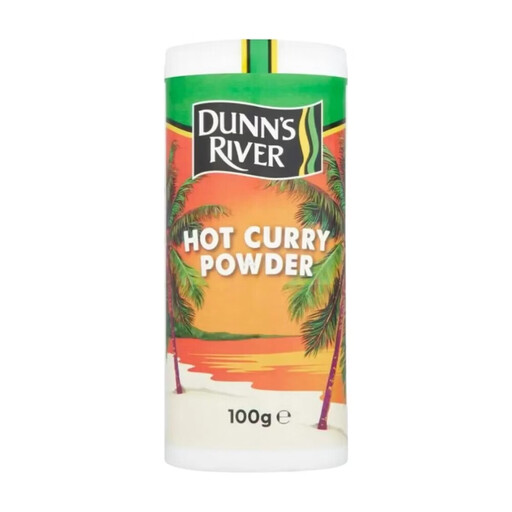
Why This Fits Their Persona: For the home cook eager to venture beyond the usual, this powder provides an authentic gateway to Caribbean cuisine. It's perfect for experimenting with goat curry, spicy chicken stews or flavouring rice and peas.
This is a cuisine-specific Caribbean curry powder, not a generic blend. It delivers a distinct flavour profile with mustard and a bold kick from cayenne, avoiding the "one-size-fits-all" pitfall.
It's a versatile powder that can be used as a base for curries, a dry rub for barbecued meats or a seasoning for stews, offering excellent value and multiple uses from a single purchase.
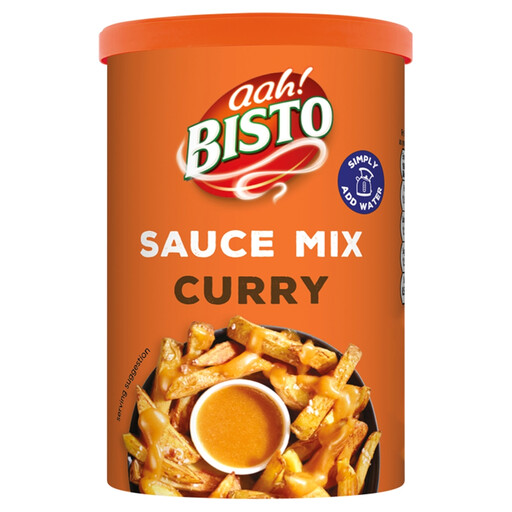
Why This Fits Their Persona: This is for the person who isn't looking for a global culinary journey, but for the specific, comforting and slightly sweet taste of a classic British chip shop curry sauce to pour over chips or a simple pie.
It doesn't pretend to be an authentic Indian or Thai curry. It is unapologetically a chip shop curry mix, so it meets expectations perfectly and avoids the disappointment of a generic flavour.
Ultimate convenience. The granular mix is ready in moments by simply adding boiling water, delivering that familiar, nostalgic flavour with minimal effort.
We have compiled a complete, real-time list of products that fully satisfy these strict selection criteria and UK safety regulations.
While both are spice blends, a curry powder is often a Westernised invention, providing a more generic, all-purpose flavour. A masala mix (masala simply means 'spice blend') is typically more authentic to South Asian cuisine and is formulated for a specific dish or regional style, such as Chana Masala, Korma or Karahi. Using a specific masala mix is a great way to achieve a more traditional taste.
For dry products like a curry powder or masala mix, it's best to transfer them to an airtight container and store them in a cool, dark cupboard. They will retain their best flavour for around six months. Japanese curry blocks should also be kept in an airtight container, often in the refrigerator, and will last for several months. For ready-made sauces in jars or pouches, always refrigerate after opening and consume within 3-5 days, as advised on the packaging.
Certainly. A mild curry powder can be a versatile ingredient in any kitchen. Try adding a teaspoon to scrambled eggs, mixing it with mayonnaise for a spiced dip for sandwiches or using it as a rub for roasted chicken or vegetables. The possibilities are endless, making it a useful staple to have on hand.