
24/7 Customer Support

Free returns

Same-day & Next-day Delivery

Quality Guaranteed

Unlock Your Welcome Offers: FREE Delivery | Up to 80% OFF | Free 30-day JoyPlus trial
Download the APP
Curry paste can turn a weekday dinner into a fragrant meal with very little preparation. However, the wide choice of Thai curry paste, masala mixes, curry roux and Malaysian rendang paste can make comparison difficult. A small jar may be highly concentrated, while a larger tub may offer better value only if you will use it before opening quality declines.
Before buying curry paste, look beyond front-of-pack descriptions and check the ingredients, serving format and storage instructions. These details help prevent the most common purchasing mistakes.
Most curry pastes are concentrated ingredients, not finished meals. They usually need coconut milk, water, oil, meat, tofu or vegetables. For example, a red curry paste may need frying briefly before coconut milk is added, while Japanese curry roux is designed to dissolve into simmering water or stock.
Always check whether the product says cooking required. Eating concentrated paste directly can expose you to a much stronger chilli and salt flavour than expected.
Red, green and yellow curry pastes do not simply represent different colours. A red curry paste commonly has dried red chillies and warm aromatics. A green curry paste may include green chilli, Thai basil, lemongrass and lime leaves. A yellow curry paste generally includes turmeric and warming spices such as cumin, coriander and cardamom.
Panang curry paste is often selected for a richer, more aromatic curry, while Massaman curry paste typically suits slow-cooked dishes with potatoes, beef, chicken or vegetables. Read the ingredient list rather than assuming that a brighter colour means a hotter paste.
Several Thai curry pastes contain shrimp paste, and Tom Yum paste may contain fish sauce as well as crustaceans. Other products can include soya, milk, wheat, sesame, peanuts or tree nuts. Products with similar names can have completely different allergen profiles.
Salt also varies considerably. Concentrated pastes may contain several grams of salt per 100g, so compare nutrition panels and use the paste as directed. If cooking for someone with an allergy, check the current packaging for highlighted allergens and “may contain” information before purchase.
Choose the format that matches the meal you want to make:
A 50g sachet or jar can suit a first attempt or a single meal, while 200g to 400g jars are more practical for regular curry nights. Check the suggested quantity per serving rather than comparing pack prices alone. A larger jar is not necessarily economical if it must be used within a short period after opening.
Look for chilli position in the ingredients list and follow the preparation instructions. Frying the paste in oil can release its aroma, but it does not remove its heat or salt. Coconut milk softens the texture and adds richness, while extra water or stock creates a lighter sauce.
For a milder dish, start with less paste and add more gradually. This is particularly useful when trying an authentic curry paste with a concentrated chilli profile.
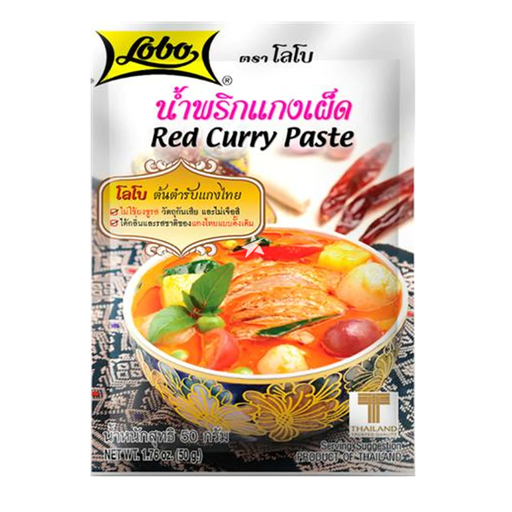
Why This Fits Their Persona: The compact 50g pack is suitable for a first Thai curry or occasional cooking in a smaller UK household. It can be combined with coconut milk, meat, tofu or vegetables.
The small format reduces the risk of storing a large jar that is not used promptly. It is a concentrated paste, so it should be cooked rather than eaten directly.
Includes lemongrass, galangal, kaffir lime peel and dried red chilli. Contains shrimp, making allergen checking essential.
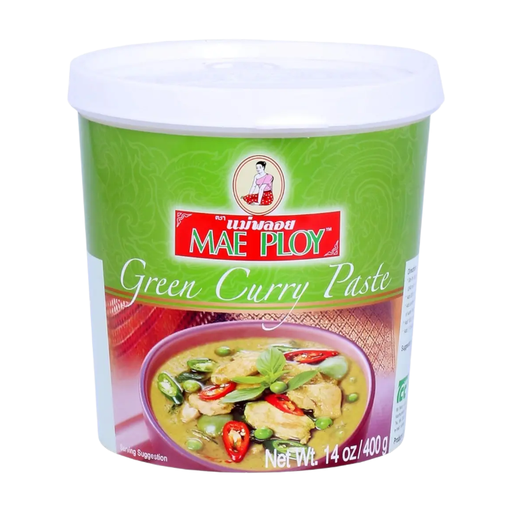
Why This Fits Their Persona: Regular Thai food cooks may prefer a larger jar for repeated curries, stir-fries, soups or marinades.
The pack size is clear, and the usage guidance states that it should be fried briefly before adding coconut milk. Refrigerate after opening.
The listed blend includes green chilli, lemongrass, garlic and galangal. It contains shrimp and may contain traces of soya and milk.
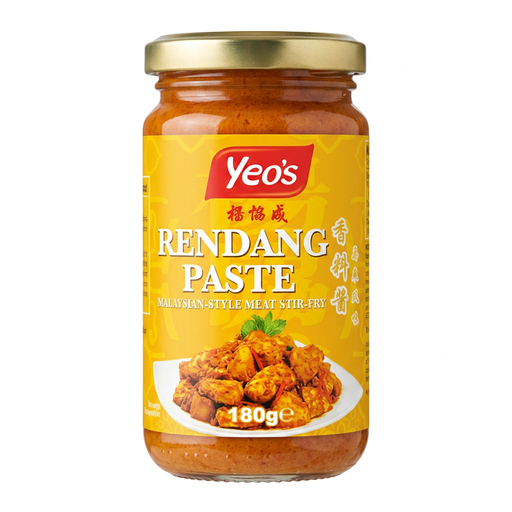
Why This Fits Their Persona: Suitable for cooks seeking a Malaysian rendang paste for beef, chicken or vegetable dishes without preparing a spice blend from scratch.
The instructions specify marinating 400g of diced beef, then simmering until tender and thick. This clarifies the intended cooking method and quantity.
Made in Malaysia and includes coconut extract, galangal, lemongrass and chilli. Contains coconut and requires thorough cooking.
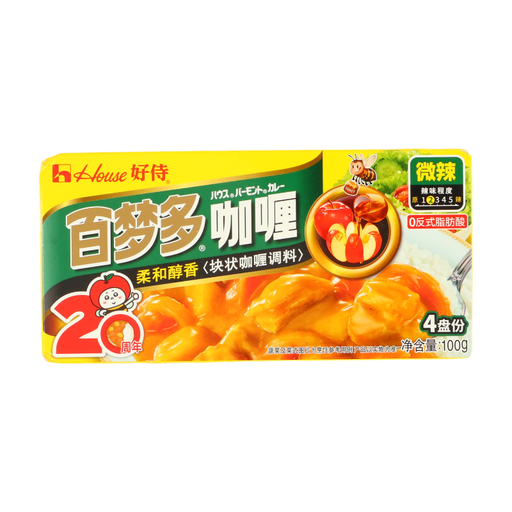
Why This Fits Their Persona: The block format suits busy households wanting a Japanese curry roux that dissolves into a sauce with water or broth.
The product is clearly a curry roux rather than a Thai-style paste, helping shoppers match the format to the recipe they intend to cook.
Medium heat and block portions support straightforward serving control. Contains wheat, milk, soya and sulphites.
We have compiled a complete, real-time list of products that fully satisfy these strict selection criteria and UK safety regulations.
Most Thai curry pastes work with coconut milk, protein and vegetables. Water or broth can create a lighter sauce. Masala mixes may need onion, tomato, yoghurt or cream, while Japanese curry roux usually needs water or stock.
Storage varies by product. Many jars require refrigeration after opening and should be used within a stated period, such as two weeks or several months. Keep the container tightly sealed and follow the date and instructions on the current packaging.
Not automatically. Thai pastes may contain shrimp paste or fish sauce, and some rendang pastes can include fish-derived ingredients. Check the full ingredient list and allergen statement for every product rather than relying on the dish name alone.