
24/7 Customer Support

Free returns

Same-day & Next-day Delivery

Quality Guaranteed

Unlock Your Welcome Offers: FREE Delivery | Up to 80% OFF | Free 30-day JoyPlus trial
Download the APP
A jar of curry paste can turn a busy weeknight meal into a fragrant dish with relatively little preparation. However, choosing the right one in the UK is not simply a matter of picking the most colourful label. Heat level, allergens, jar size and the intended cooking style can all affect whether a product suits your household.
This guide explains the practical details to check before buying curry paste, from Thai curry paste and Indian curry paste to Malaysian rendang paste and Korean chilli paste.
A green curry paste is not automatically hotter than a red curry paste, and a yellow curry paste is not necessarily bland. Heat depends on the chilli variety, its percentage in the recipe and how much paste you use. Other ingredients also change the experience: coconut milk, sugar, stock and vegetables can soften the final dish.
Look for ingredient percentages where available, and begin with a smaller quantity if you are unfamiliar with the product.
Many traditional-style Thai curry pastes contain shrimp paste, fish or soy. For example, several green, red, Panang and yellow curry pastes in this selection list crustaceans or soy. A product marketed as plant-friendly may still require careful label checking, particularly where shared manufacturing facilities are involved.
If you need a vegan curry paste, look for an explicit vegan description and check the full allergen statement rather than relying on the dish name alone.
Large 400g jars can offer practical value for regular curry nights, meal planning and batch cooking. Smaller 50g, 80g or 114g packs may be more suitable for occasional use, trying a new flavour or cooking for one or two people. Once opened, most curry paste should be refrigerated and used within the period stated on the packaging.
Choose the paste around the dish you plan to cook:
A 50g sachet or small jar can help reduce waste when testing an unfamiliar flavour. Larger jars, such as the 400g options, are better for repeated use. Check the suggested amount per recipe, as concentrated products can vary considerably in strength and salt content.
Read the ingredient list in full. Check for crustaceans, fish, soy, milk, mustard, peanuts, sesame, wheat and coconut, according to your dietary needs. A vegan product may still contain a high amount of salt, so nutrition information remains useful.
Curry paste is normally a cooking ingredient, not a ready-to-eat food. Fry or simmer it according to the instructions and ensure the finished dish is thoroughly cooked and piping hot.
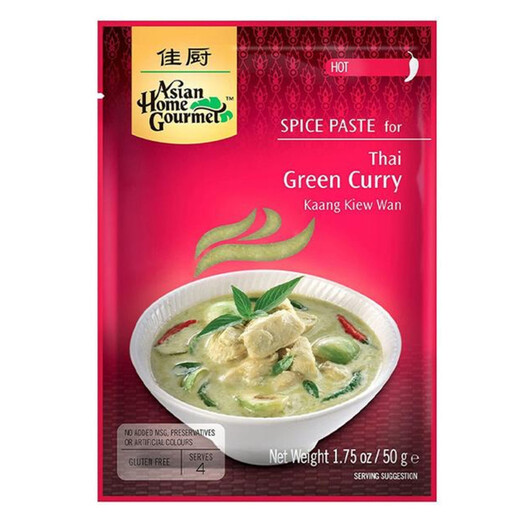
Why This Fits Their Persona: The compact 50g format is practical for first-time buyers, smaller households or anyone wanting to prepare one curry without committing to a large jar.
The small pack reduces the risk of unused paste remaining in the fridge. Its label identifies coconut and soy, with possible traces of shrimp and fish.
Includes green chilli, lemongrass, galangal and kaffir lime leaf; designed to be cooked with coconut milk and vegetables or protein.
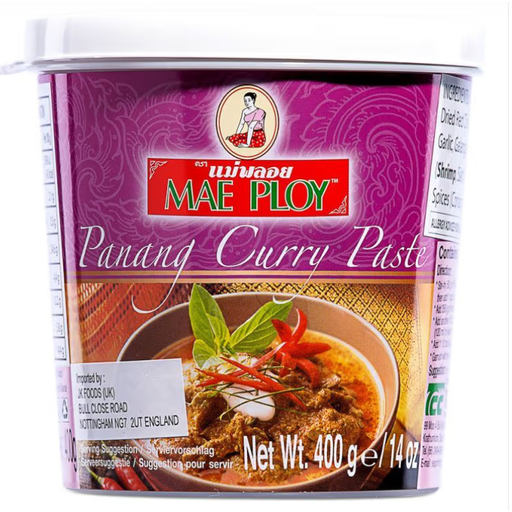
Why This Fits Their Persona: This larger format suits cooks who regularly make Panang curry and want a concentrated paste for several meals.
The 400g jar is more appropriate for repeat use than a single-meal pack. Refrigerate after opening and check the allergen information, including crustaceans, fish and sulphites.
Suitable for coconut-milk curries, with listed aromatics including galangal, lemongrass and kaffir lime peel.
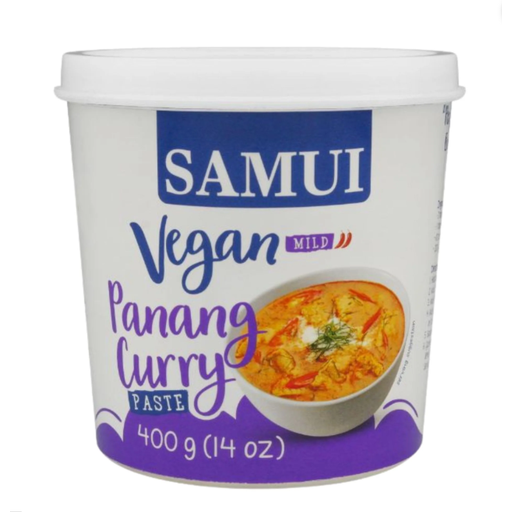
Why This Fits Their Persona: A 400g vegan curry paste gives plant-based households a flexible base for batch cooking with tofu, vegetables, beans or meat alternatives.
The ingredient information lists no allergens and does not include shrimp paste, fish or dairy. Always check the pack at purchase if allergy requirements are strict.
Contains red chilli, lemongrass, galangal and kaffir lime peel; suitable for curries, soups, stir-fries and marinades.
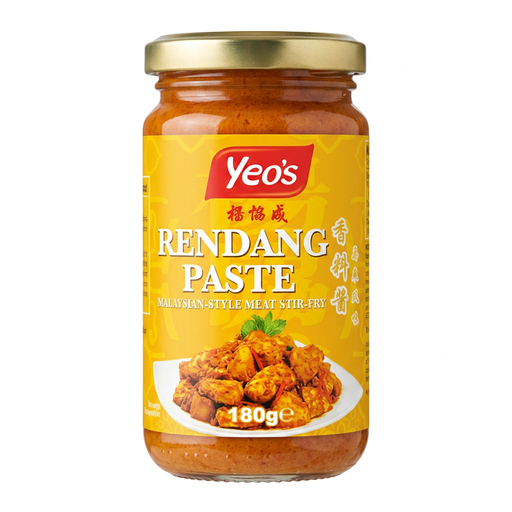
Why This Fits Their Persona: Designed for a specific Malaysian rendang preparation, this paste suits cooks who want to make a slow-simmered, coconut-based dish rather than a general Thai curry.
The intended use is clearly defined: marinate around 400g of diced beef, then simmer until tender. It also states coconut as an allergen and requires thorough cooking.
Includes coconut extract, galangal, lemongrass and chilli; suitable for a Malaysian-style rendang recipe.
We have compiled a complete, real-time list of products that fully satisfy these strict selection criteria and UK safety regulations.
Fry the recommended amount in a little oil for around one to two minutes, where the instructions advise this, to release its aroma. Add coconut milk, stock, tomatoes or other liquid, then add vegetables or protein and simmer until thoroughly cooked. Do not eat curry paste raw.
Storage periods vary by product. Refrigerate opened paste promptly, keep the container tightly sealed and follow the packaging instructions. Some products advise use within seven days, while others state two, four or six weeks. The label on your specific pack takes priority.
Some products are suitable for vegan cooking, but many Thai curry pastes contain shrimp paste or fish. Check for an explicit vegan statement and read the allergen declaration. Vegan curry paste can be combined with coconut milk, tofu, vegetables, pulses or plant-based proteins for convenient home cooking.