
24/7 Customer Support

Free returns

Same-day & Next-day Delivery

Quality Guaranteed

Unlock Your Welcome Offers: FREE Delivery | Up to 80% OFF | Free 30-day JoyPlus trial
Download the APP
Choosing curry powder in the UK is not simply a matter of picking the packet with the most colourful curry image. A blend may be labelled “hot” without explaining the chilli level, while a seasoning mix can contain considerable salt, allergens or flavour enhancers. Japanese curry roux is also often grouped with dry curry powder, despite behaving very differently in the pan.
This guide helps UK home cooks compare curry powder, curry masala, curry seasoning and ready-to-use mixes by flavour profile, ingredients, cooking method and intended dish.
“Madras”, “Caribbean” and “Japanese” describe different culinary traditions, not a universal heat scale. A hot curry powder may rely heavily on chilli, whereas a mild blend can still contain fragrant spices such as cumin, fenugreek and coriander.
For a gentler family meal, look for a clearly labelled mild curry powder or a Japanese curry roux described as mild or medium. If you enjoy stronger heat, check whether chilli, cayenne or chilli extract appears near the beginning of the ingredient list.
A dry curry powder usually consists mainly of ground spices, but a recipe mix or curry seasoning may also contain salt, flour, sugar, oil, flavour enhancers or anti-caking agents. Japanese curry roux contains fats and flour to create a thick sauce, so it is closer to a sauce base than a simple spice blend.
Read the full ingredients panel rather than relying on front-of-pack wording such as “authentic”, “premium” or “traditional”. These descriptions are not a substitute for checking what is actually inside.
Some specialised masalas and seasoning blends are highly concentrated. For example, the supplied product information lists salt at 25.6g per 100g for Shan Chana Masala and 20g per 100g for Dunns River Curry Goat Seasoning. These products are intended to flavour a larger dish, not to be eaten by the spoonful.
In the UK, always check the current pack label for allergens. Depending on the product, ingredients may include mustard, wheat, gluten, celery, soya, milk, nuts or sulphites. This is particularly important when buying curry seasoning for guests or family members with allergies.
Choose by the dish you plan to cook:
If you want authentic curry spices with control over salt and heat, a dry powder with a shorter ingredient list may be preferable. RAJAH Hot Madras Curry Powder, for example, lists coriander, turmeric, mustard, chilli, Bengal gram, cumin, fenugreek and black pepper among its ingredients and is marked suitable for vegetarians in the supplied details.
For convenience, a recipe mix may be more suitable. Shan Korma Curry comes as a 50g sachet with cooking directions, while Shan Chicken Masala is also supplied in a 50g pack. These formats can reduce measuring and are practical when preparing one planned recipe.
A 100g curry powder pack is a useful middle ground for regular home cooking. It provides enough for several meals without requiring the long-term storage of a large catering pack. Smaller 30g or 50g sachets are useful if you are trying a new cuisine or cooking for one or two people.
Store opened powder in an airtight container in a cool, dry cupboard away from sunlight, heat and strong odours. Use clean, dry utensils and check the printed best-before date. For the fullest aroma, bloom dry powder in oil with onions and garlic for around a minute before adding liquid, but follow the product instructions where they differ.

Why This Fits Their Persona: A practical 100g option for UK cooks starting to make homemade curry, soups, rice dishes and stews without committing to a very hot blend.
The product is labelled mild and provides an ingredient list, helping shoppers distinguish gentle heat from a chilli-heavy hot curry powder.
100g pack; includes coriander, turmeric, cumin, fenugreek and chilli; suitable for a range of everyday dishes.
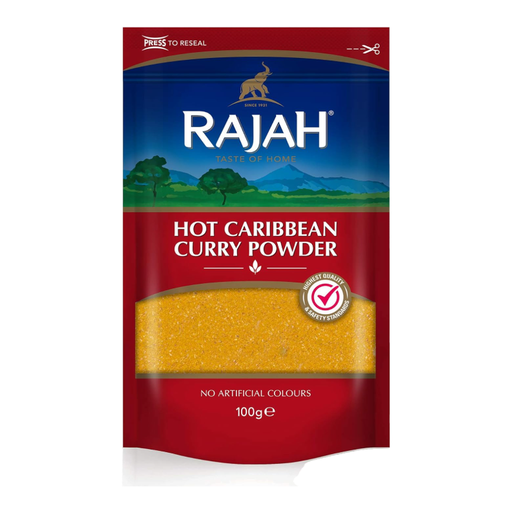
Why This Fits Their Persona: Suitable for cooks seeking a defined Caribbean-style profile for chicken, beef, seafood, vegetables, stews and marinades.
The regional style and hot classification are clearly stated, while the listed ingredients show chilli alongside allspice, nutmeg, cloves, coriander and cumin.
100g format; versatile Caribbean spice profile; cooking instructions recommend blooming in hot oil.
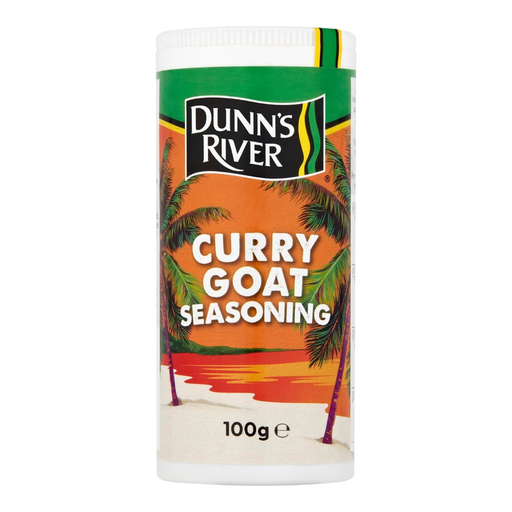
Why This Fits Their Persona: Designed for cooks who regularly prepare Caribbean-style goat, lamb or mutton and want a recipe-focused seasoning.
It is clearly positioned for curry goat rather than presented as a universal powder, making the intended use easier to assess before purchase.
100g pack; includes turmeric, cumin, pimento and coriander; suitable for goat, lamb and mutton dishes.
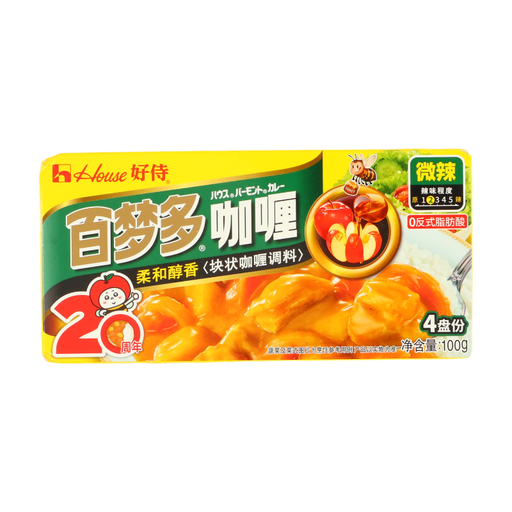
Why This Fits Their Persona: A convenient Japanese curry roux for busy UK households wanting a thick, smooth sauce with meat and vegetables.
The block format makes it clear this is a roux, not a loose spice powder, so shoppers can choose the correct cooking method.
100g block format; medium heat; dissolves in simmering water or stock; contains wheat, milk and soya, which are clearly listed.
We have compiled a complete, real-time list of products that fully satisfy these strict selection criteria and UK safety regulations.
Curry powder is generally a pre-mixed blend of ground spices, while curry masala may be designed for a particular recipe or cuisine, such as chana masala, nihari masala or chicken masala. The terms are not used identically by every manufacturer, so check the ingredients and preparation instructions.
Many products suggest around one to two tablespoons for a family-sized dish, but strength varies considerably. Start with the packet guidance, fry the powder briefly in oil, then adjust gradually. Recipe sachets and curry roux blocks should be used according to their own instructions.
Keep it sealed in an airtight container in a cool, dry cupboard. It may remain usable beyond the suggested period, but aroma and flavour gradually weaken. For more reliable results, follow the manufacturer’s storage guidance and replace the pack when the powder smells faint or has absorbed moisture.