
24/7 Customer Support

Free returns

Same-day & Next-day Delivery

Quality Guaranteed

Unlock Your Welcome Offers: FREE Delivery | Up to 80% OFF | Free 30-day JoyPlus trial
Download the APP
A rich, aromatic curry is a staple comfort food in the UK, but recreating that perfect takeaway flavour at home can be a challenge. The supermarket aisle is filled with curry sauce mixes, all promising authentic taste with minimal effort. However, many home cooks find themselves disappointed with sauces that are bland, overly sweet or simply don't match the promised style.
Navigating the world of instant curry can feel like a gamble. To help you make a better choice, we've identified the common pitfalls that lead to a disappointing dinner and wasted money.
Before you buy, it's crucial to understand what you're actually getting. The type of mix dictates its flavour, texture and the best way to use it. Here are the key parameters to check.
The physical form of the mix is the most important factor in how your curry will turn out.
"Curry" is a broad term. Pinpointing the style you want is key to satisfaction.
Based on these practical considerations, here are a few recommendations matched to different home-cooking needs.
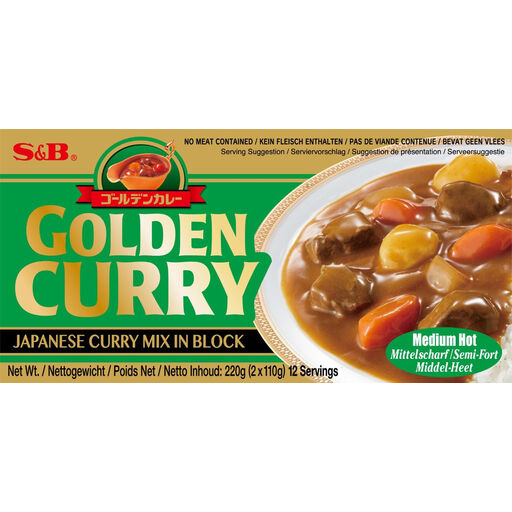
Why This Fits Their Persona: This is a reliable, crowd-pleasing option for a quick weeknight meal. The Japanese curry flavour is rich and savoury without being overpowering, making it suitable for both adults and children. The large 220g pack contains enough roux for a full family meal.
Its solid curry block format is straightforward, melting smoothly to avoid lumps. The flavour is consistently that of a classic Japanese curry, meeting expectations for anyone seeking an authentic-tasting homemade curry sauce.
Convenient block form is easy to portion. It creates a thick, lump-free sauce, perfect for coating chicken, vegetables and rice.
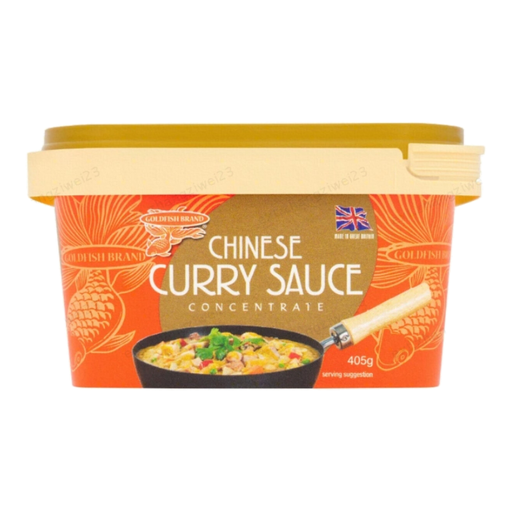
Why This Fits Their Persona: For anyone trying to replicate the specific flavour of a British Chinese takeaway, this concentrate is a leading choice. It's designed to deliver that classic mild, savoury and smooth sauce profile that is so familiar across the UK.
This product sidesteps the "authentic flavour" trap by focusing on a very specific, well-loved flavour profile. It's not a generic curry; it's a Chinese curry concentrate aimed squarely at the UK takeaway market, so you know what to expect.
The 405g tub offers great value and multiple servings. As a concentrate, it gives you control over the thickness of the final sauce.

Why This Fits Their Persona: For those who believe a curry isn't complete without a serious kick of heat, this "Extra Hot" version of the classic S&B Japanese curry roux delivers. It provides the same rich, savoury base as the milder versions but with a significant and satisfying level of chilli heat.
It avoids the pitfall of vague flavour claims with its clear "Extra Hot" labelling. You know you are getting a product designed for heat, not a mild sauce with a hint of spice. The flavour is robust and not masked by excessive sugar.
Delivers genuine, noticeable heat alongside the classic Japanese curry flavour. The 220g box provides up to 12 servings, making it economical for regular use.
We have compiled a complete, real-time list of products that fully satisfy these strict selection criteria and UK safety regulations.
This is a common issue that depends on the format. For solid curry blocks or roux, always turn the heat off your pot before adding them. Break the blocks into pieces and stir them into the hot liquid until they have completely dissolved. Only then should you turn the heat back on to simmer and thicken the sauce. For powders and granules, it helps to first mix them with a small amount of cold water in a separate bowl to form a smooth paste. Then, gradually whisk in the boiling water to ensure a lump-free result.
The key difference lies in their composition and function. A curry roux, typical in Japanese cooking, is a solid block containing fat and flour. Its primary job is to both flavour and thicken the sauce simultaneously. A curry paste, on the other hand, is a concentrated blend of ground spices, herbs and aromatics. It is purely a flavouring agent and does not contain a thickener. When using a curry paste, you may need to add a separate ingredient like cornflour or let the sauce reduce if you want a thicker consistency.
Proper storage is essential to maintain flavour. For dry formats like powders, granules and roux blocks, transfer any unused product to an airtight container and store it in a cool, dry cupboard away from sunlight. This prevents moisture from causing clumps and preserves the spices. For wet formats like a curry concentrate or paste, once opened, they must be kept refrigerated in a sealed container and are best consumed within the timeframe specified on the packaging, usually from a few days to a couple of weeks.